Short Answer
This guide explores the concept of The Wheel Angel – Divine Luck, a symbolic representation of fate, chance, and the mysterious forces that govern human fortune. You’ll discover the origins of wheel imagery in mythology and spirituality, how it manifests in modern culture, and why it continues to captivate people across generations. By the end, you’ll understand the deeper psychological and spiritual reasons behind humanity’s enduring fascination with the wheel of luck.
The Symbolism of the Wheel in Human History
The wheel is one of humanity’s oldest and most versatile inventions, but its symbolic meaning extends far beyond its practical use. Across ancient civilizations, the wheel represented cycles of life, time, and destiny. In Hindu and Buddhist traditions, the Dharmachakra (Wheel of Dharma) symbolizes the path to enlightenment and the endless cycle of rebirth. Similarly, Norse mythology features the Huginn and Muninn wheel, representing the cyclical nature of existence and the inevitability of fate.
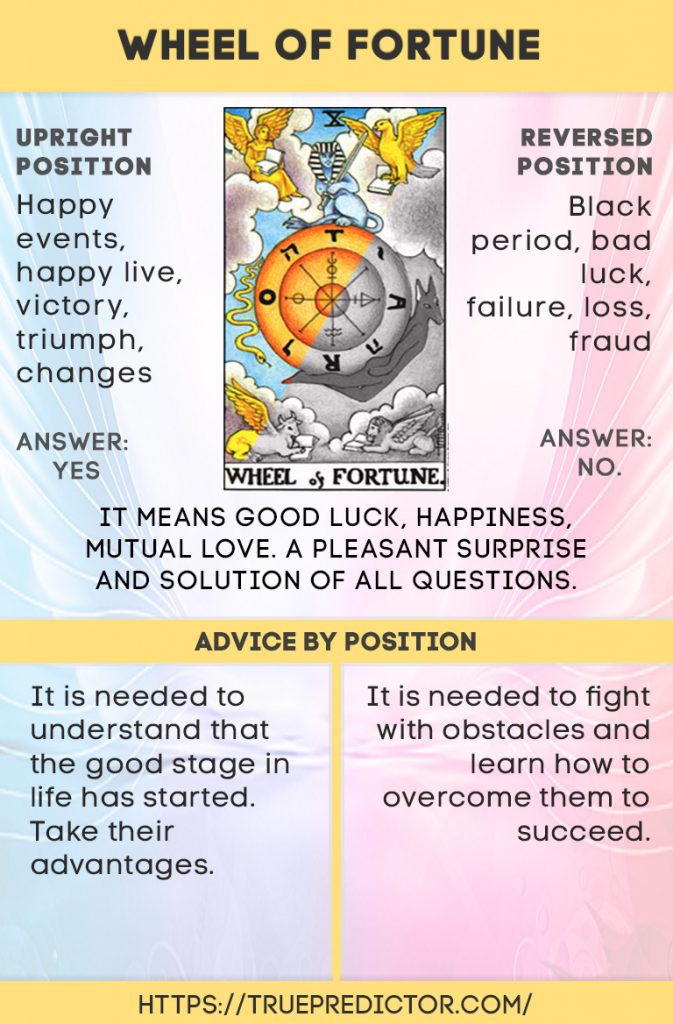
In Western traditions, the Wheel of Fortune—popularized in medieval Europe—depicted a wheel with figures ascending and descending, illustrating the unpredictable nature of luck and status. This imagery reinforced the idea that fortune is not static but subject to constant change, a concept that resonates deeply in human psychology.
The Wheel Angel: A Modern Interpretation of Divine Luck
The Wheel Angel embodies the fusion of ancient symbolism with contemporary spirituality. Unlike traditional depictions of the Wheel of Fortune, which often emphasize randomness and capriciousness, the Wheel Angel introduces a benevolent, guiding force—an angelic intermediary that influences luck in a way that feels purposeful rather than arbitrary. This modern interpretation speaks to a collective desire for meaning in chance events, suggesting that luck is not purely random but may be orchestrated by higher, unseen forces.
In art and digital media, the Wheel Angel is often depicted with wings, a halo, or radiant light, reinforcing its role as a divine messenger. The angelic figure serves as a reminder that even in moments of uncertainty, there is a guiding presence—one that can turn misfortune into opportunity. This aligns with the human tendency to seek patterns and purpose in chaos, a cognitive bias known as apophenia, where people perceive connections in unrelated events.
Why the Wheel of Luck Fascinates Us: Psychological and Spiritual Perspectives
One of the most compelling reasons the Wheel of Luck captivates the human imagination is its reflection of our deepest hopes and fears. On a psychological level, the wheel represents the illusion of control—the belief that we can influence outcomes through rituals, prayers, or sheer willpower. Games of chance, from ancient dice games to modern slot machines, tap into this desire, offering the tantalizing possibility of a positive turn of events.
Spiritually, the wheel symbolizes transformation. The act of spinning a wheel—whether in a game, a meditation practice, or a symbolic ritual—mirrors the process of personal growth. Just as the wheel turns, so too do our lives, bringing new challenges, lessons, and opportunities. This cyclical view of existence is comforting, as it suggests that even the most difficult periods are temporary and that fortune can change with time.
Moreover, the Wheel of Luck addresses a universal human experience: the tension between fate and free will. While some cultures emphasize predestination, others champion the power of individual choice. The wheel bridges this divide by suggesting that luck is a blend of both—divine intervention and personal agency working in tandem. This duality makes the concept deeply relatable, as it acknowledges both our desire for control and our acceptance of the unknown.
The Wheel Angel in Modern Culture and Media
In contemporary culture, the Wheel Angel appears in various forms, from tarot cards to video game mechanics. For instance, the “Wheel of Luck” minigame in some RPGs allows players to gamble for rewards, reinforcing the idea that fortune favors the bold. Similarly, social media trends like “spin the wheel” giveaways tap into the same psychological appeal, offering participants a sense of participation in their own luck.
Artists and designers often reimagine the Wheel Angel with modern aesthetics, blending traditional symbolism with futuristic or fantasy elements. This evolution reflects society’s ongoing fascination with luck as both a mystical force and a tangible, interactive experience. Whether through digital art, literature, or interactive media, the Wheel Angel continues to evolve, proving its timeless relevance.
The Deeper Reasons Behind Our Fascination with Luck
At its core, the Wheel of Luck resonates because it addresses fundamental questions about existence: Why do some people thrive while others struggle? Is success a matter of skill, chance, or something more? The wheel offers a visual metaphor for these inquiries, providing a sense of order in an unpredictable world. It suggests that luck is not entirely random but is influenced by unseen forces—whether divine, karmic, or simply the result of hidden patterns.
This fascination also ties into the human need for hope. In times of uncertainty, the idea of a benevolent force—whether an angel, a cosmic balance, or sheer probability—can be deeply reassuring. The Wheel Angel, in particular, transforms luck from a cold, impersonal force into something personal and even nurturing. It implies that good fortune is not just a roll of the dice but a gift, one that can be invoked, celebrated, or even bargained for.
Additionally, the wheel’s cyclical nature aligns with the human experience of resilience. Just as a wheel turns, so do our fortunes. This cyclical view encourages perseverance, reminding us that setbacks are temporary and that persistence can lead to a turn of luck. It’s a message that resonates in personal development, business, and spirituality alike.
Conclusion
The Wheel Angel – Divine Luck is more than a symbol; it’s a reflection of humanity’s eternal quest to understand and influence the forces that shape our lives. From ancient myths to modern digital experiences, the wheel represents the intersection of fate and free will, randomness and purpose, despair and hope. Its enduring appeal lies in its ability to offer comfort in uncertainty, a sense of control in chaos, and a reminder that fortune, like a spinning wheel, is always in motion.
Whether you view the Wheel Angel as a spiritual guide, a psychological tool, or simply a captivating metaphor, its message is clear: luck is not just a matter of chance. It is a dance between the divine and the human, the predictable and the unpredictable, the known and the unknown. And in that dance, there is always the possibility of a brighter turn.
FAQ
What is the Wheel Angel?
The Wheel Angel is a modern spiritual symbol representing divine luck and the guiding forces behind fate and chance.
How does the Wheel Angel differ from the traditional Wheel of Fortune?
Unlike the traditional Wheel of Fortune that emphasizes randomness, the Wheel Angel introduces an angelic, benevolent force influencing luck with purpose.
Why is the wheel a powerful symbol in many cultures?
The wheel symbolizes cycles of life, time, destiny, and transformation across various ancient and modern spiritual traditions.
How does the concept of the Wheel Angel relate to tarot?
The Wheel Angel concept aligns with the Wheel of Fortune tarot card, representing the interplay of fate, luck, and personal agency.
Leave a Reply