Short Answer
In this guide, you’ll explore the intriguing intersections of The Wheel of Fortune reversed in tarot and the narrative themes of Wild Cards, uncovering how both promise a profound shift in perspective and ignite curiosity. Whether you’re drawn to the mysticism of tarot or the storytelling of modern media, this exploration will reveal how these concepts challenge conventional thinking and open doors to new interpretations. You’ll learn about the symbolic meanings of reversal, the role of unpredictability, and how these ideas manifest in creative and personal contexts.
The Wheel of Fortune Reversed: A Call for Introspection
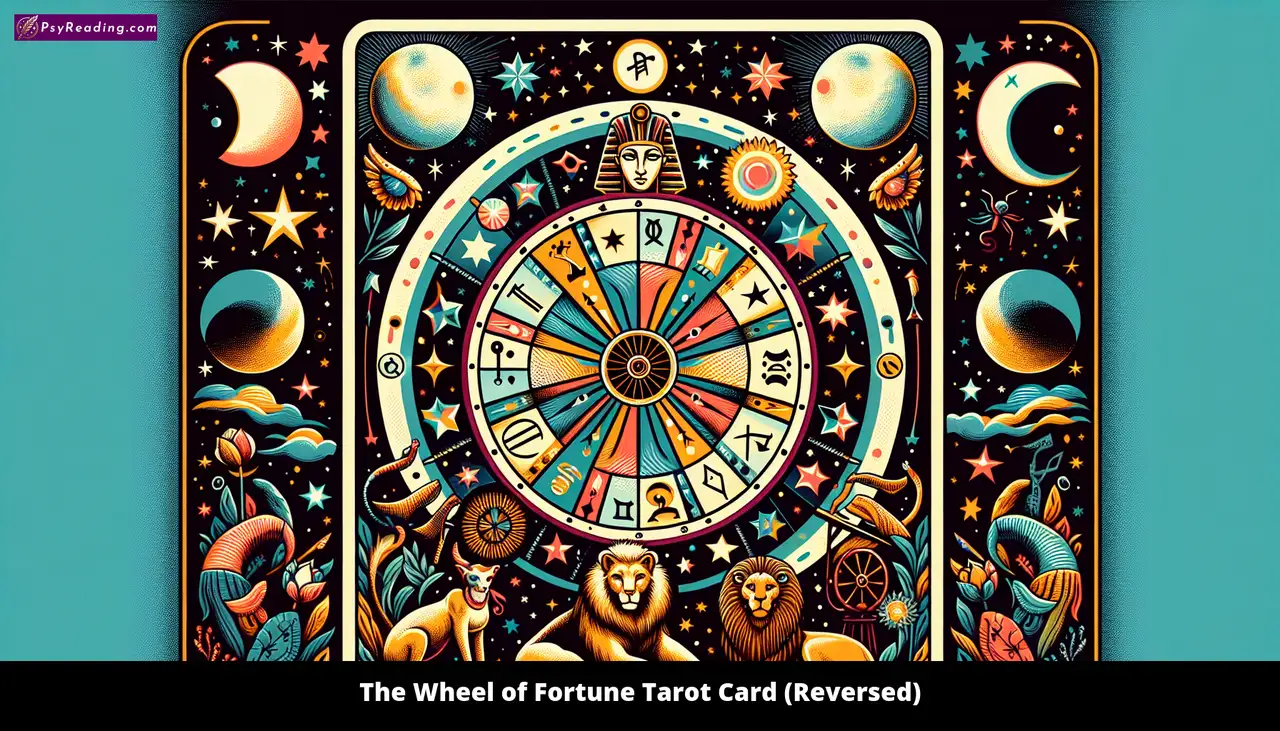
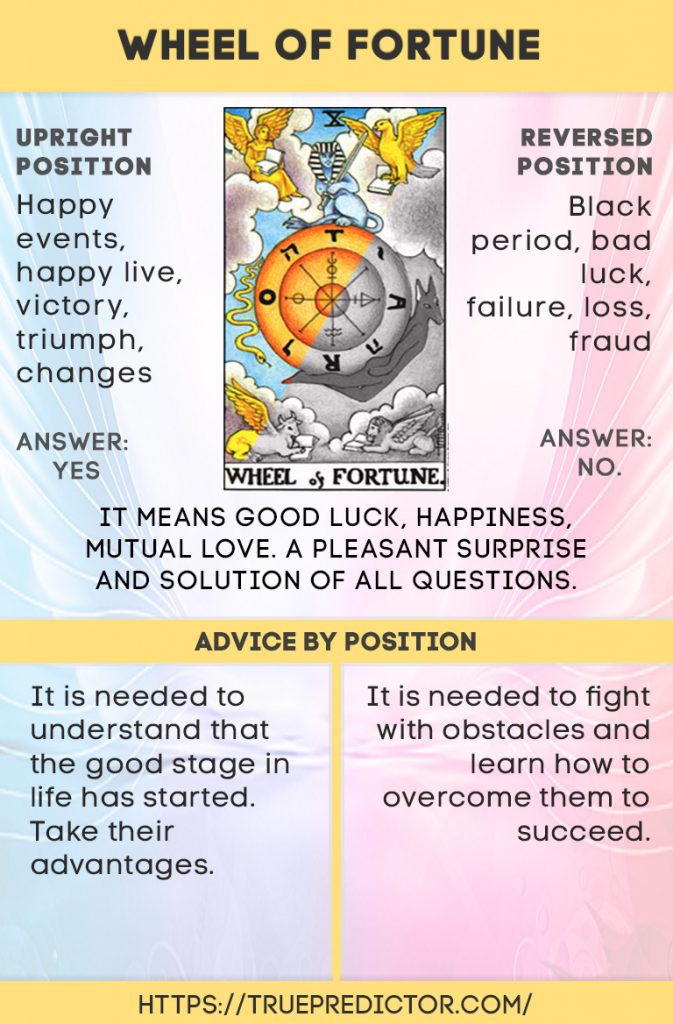
The Wheel of Fortune is one of the most recognizable tarot cards, symbolizing cycles, fate, and life’s inevitable changes. When reversed, however, its energy shifts dramatically. Instead of the smooth rotation of fortune’s wheel, the reversed position suggests stagnation, resistance to change, or a period where external forces feel beyond your control. This reversal isn’t a punishment but an invitation to pause and reflect. It signals that the natural flow of life has been disrupted, prompting you to examine your role in the situation.
One of the key lessons of the reversed Wheel of Fortune is the importance of adaptability. Life’s unpredictability can feel overwhelming when the wheel seems stuck, but this card encourages you to recognize that even small shifts in perspective can restore balance. It may indicate that you’re clinging to outdated beliefs or resisting necessary transformations. The reversed wheel asks you to let go of rigid expectations and trust that change, though uncomfortable, is essential for growth. By embracing uncertainty, you open yourself to new opportunities that might otherwise pass you by.
How Reversal Mirrors Personal Growth
The reversed Wheel of Fortune isn’t just about external circumstances; it’s deeply tied to your internal state. When this card appears, it often reflects a mental or emotional blockage—perhaps fear of the unknown, past disappointments, or a reluctance to take risks. These barriers can create a sense of being trapped in a cycle of bad luck or misfortune. However, the reversal also highlights the power of agency. It’s a reminder that while you can’t control every outcome, you can control your response to challenges.
Consider the reversed wheel as a mirror. It reflects not just the chaos around you but also the chaos within. Are you holding onto grudges, past mistakes, or rigid plans that no longer serve you? The card urges you to release these burdens. Journaling, meditation, or even creative expression can help you identify the patterns that keep you stuck. By acknowledging these areas, you create space for the wheel to turn again, bringing fresh energy and unexpected blessings. The reversed Wheel of Fortune is ultimately a catalyst for self-awareness, pushing you toward a more conscious and proactive approach to life.
Wild Cards: Narratives of Unpredictability and Transformation
Wild Cards, whether in literature, television, or film, thrives on the concept of unpredictability and the transformative power of chance. The term itself refers to characters or events that defy expectations, often altering the trajectory of a story in dramatic ways. In many narratives, a “wild card” is an unforeseen variable—a twist, a betrayal, or an unexpected ally—that reshapes the plot and challenges the protagonists’ understanding of their world. This mirrors the reversed Wheel of Fortune’s themes of disruption and the need for adaptability.
At its core, Wild Cards explores how chaos can lead to growth. Characters who embrace the unknown, even when it’s frightening, often discover strengths they never knew they had. The story’s unpredictability forces them—and the audience—to confront their assumptions about control, destiny, and resilience. For example, a protagonist who initially resists change may eventually find that the wild card they feared was the very thing that set them free. This narrative device serves as a metaphor for life’s uncertainties, reminding us that what seems like a setback can be a setup for something greater.

The Parallels Between Tarot and Storytelling
Both the reversed Wheel of Fortune and the concept of Wild Cards share a common thread: the promise of a shift in perspective. In tarot, the reversed card isn’t a negative omen but a nuanced message that requires deeper interpretation. Similarly, in storytelling, a wild card isn’t just a plot device—it’s a narrative tool that challenges characters and audiences alike to see the world differently. When these ideas intersect, they create a powerful framework for understanding change as an opportunity rather than a threat.
Consider how the reversed Wheel of Fortune might manifest in a story. A character who has always relied on routine and control might encounter a wild card—a sudden loss, an unexpected encounter, or a revelation—that forces them to confront their rigidity. This mirrors real-life experiences where external events disrupt our plans, pushing us to grow. The key takeaway is that both tarot and storytelling teach us to lean into uncertainty. The reversed wheel and the wild card are not obstacles but gateways to new possibilities. They remind us that life’s unpredictability isn’t something to fear but something to navigate with curiosity and openness.
Practical Applications: Embracing the Shift
Understanding the reversed Wheel of Fortune and the themes of Wild Cards can be transformative in your daily life. Start by identifying areas where you feel stuck or resistant to change. Are there routines, relationships, or goals that no longer align with who you are? The reversed wheel encourages you to question these patterns and consider what might need to shift. Try setting small, intentional goals that push you out of your comfort zone, even if it feels uncomfortable at first.
In creative pursuits, embrace the idea of the wild card. Allow yourself to experiment with new ideas, even if they seem risky or unconventional. Whether you’re writing, designing, or problem-solving, unpredictability can lead to breakthroughs. Keep a journal to track moments where a shift in perspective led to unexpected opportunities. Over time, you’ll notice that what once felt like a disruption becomes a catalyst for growth. The reversed Wheel of Fortune and the wild card are not just abstract concepts—they’re tools for navigating life’s twists and turns with resilience and curiosity.
Conclusion
The reversed Wheel of Fortune and the narrative power of Wild Cards both highlight the transformative potential of unpredictability. Whether through tarot or storytelling, these concepts challenge us to release our grip on control and embrace the unknown. They remind us that shifts in perspective aren’t just possible—they’re necessary for growth. By recognizing the lessons in stagnation and disruption, we can turn challenges into opportunities and find meaning in life’s most unexpected turns. The next time you encounter a reversal or a wild card, remember: it’s not the end of the story, but the beginning of a new chapter.
FAQ
What does the reversed Wheel of Fortune card signify?
It indicates a disruption in life's natural flow, suggesting stagnation, resistance to change, and a need for introspection and adaptability.
How do Wild Cards relate to tarot and storytelling?
Wild Cards are unpredictable elements in stories that mirror the reversed Wheel of Fortune’s themes of disruption and transformation, highlighting growth through unexpected changes.
How can I use the meaning of the reversed Wheel of Fortune in my own life?
You can use it as a prompt to reflect on where you may be resisting change, encourage adaptability, and embrace uncertainty as an opportunity for personal growth.
Leave a Reply