Short Answer
Welcome to a journey of discovery where we explore the intriguing interplay between The Womb and The Wood. In this guide, we’ll delve into their symbolic meanings, historical significance, and how they intertwine in art, culture, and personal empowerment. By the end, you’ll be inspired to reflect on your own connection to these powerful concepts and perhaps even take on a playful challenge to deepen your understanding.
The Womb: A Symbol of Creation and Power
The womb is one of the most ancient and revered symbols across cultures, representing creation, fertility, and the nurturing essence of life. In many traditions, it is seen as the source of all existence—a sacred space where life begins and potential flourishes. The womb is not just a physical entity but a metaphor for the creative force that resides within all of us, regardless of gender. It embodies intuition, receptivity, and the ability to bring forth new ideas, projects, or even personal transformations.
In modern contexts, the womb has also become a powerful symbol of feminine empowerment. Movements celebrating women’s bodies and reproductive rights often draw from this imagery, reclaiming it as a site of strength rather than merely a biological function. The womb reminds us of our capacity to nurture, to create, and to hold space for growth—both literally and metaphorically.
The Wood: Strength, Growth, and Connection to Nature
The wood, on the other hand, represents resilience, growth, and an unshakable connection to the natural world. Trees, the most common embodiment of wood, are symbols of longevity, wisdom, and the cyclical nature of life. They stand tall through storms, adapt to their environments, and provide shelter, sustenance, and materials for human survival. In many mythologies, wood is associated with the axis mundi—the central pillar that connects the earthly realm with the divine.
In art and literature, wood often symbolizes the raw, untamed aspects of nature, as well as the potential for craftsmanship and creation. It is a material that can be shaped, carved, and transformed into objects of beauty or utility. The wood also carries a sense of grounding—it roots us to the earth while reaching toward the sky, mirroring the balance between stability and aspiration.

The Playful Question: Which Do You Embody More?
Now, let’s engage with a lighthearted yet thought-provoking question: Are you more like the womb or the wood? This isn’t about choosing one over the other but recognizing the qualities within yourself that resonate with each symbol.
- The Womb: Do you lean toward creativity, intuition, and nurturing? Are you someone who brings ideas to life, holds space for others, or thrives in environments that allow for fluidity and emotional expression?
- The Wood: Do you embody strength, resilience, and a deep connection to nature or tradition? Are you someone who stands firm in your values, adapts to challenges, or finds solace in the simplicity of the natural world?
There’s no right or wrong answer—just an opportunity to reflect on the duality within yourself. Perhaps you find that you embody both, or that one resonates more strongly depending on the context of your life. This question is a starting point for deeper self-exploration.
The Challenge: A Week of Womb and Wood
To deepen your connection to these symbols, we invite you to take on a playful yet meaningful challenge: A Week of Womb and Wood. Over the next seven days, alternate between embodying the qualities of the womb and the wood. Here’s how you can approach it:
Days 1, 3, 5, 7: Womb Days
Focus on nurturing, creativity, and receptivity. Try the following:
- Creative Expression: Spend 20 minutes journaling, painting, or crafting something new. Let your intuition guide you without overthinking.
- Self-Care Ritual: Light a candle, take a warm bath, or practice gentle yoga. Prioritize activities that make you feel held and supported.
- Hold Space: For someone else—whether it’s listening deeply to a friend or offering a helping hand without expecting anything in return.
Days 2, 4, 6: Wood Days
Embrace strength, resilience, and grounding. Try these:
- Nature Connection: Spend time outdoors—whether it’s a walk in the park, gardening, or simply sitting under a tree. Observe the textures and rhythms of the natural world.
- Set Boundaries: Practice saying no to something that drains your energy. Stand firm in your decisions, just as a tree stands tall in a storm.
- Craft Something: Work with wood, clay, or another natural material. Engage in a hands-on activity that connects you to the earth.
At the end of the week, reflect on how these experiences shifted your perspective. Did you discover new strengths or insights about yourself? Did the contrast between the two energies help you find balance?
The Artistic Intersection: Where Womb Meets Wood
The interplay between the womb and the wood isn’t just a philosophical concept—it’s also a rich source of inspiration in art and design. Many artists and creators draw from these symbols to evoke emotion, tell stories, or challenge societal norms.
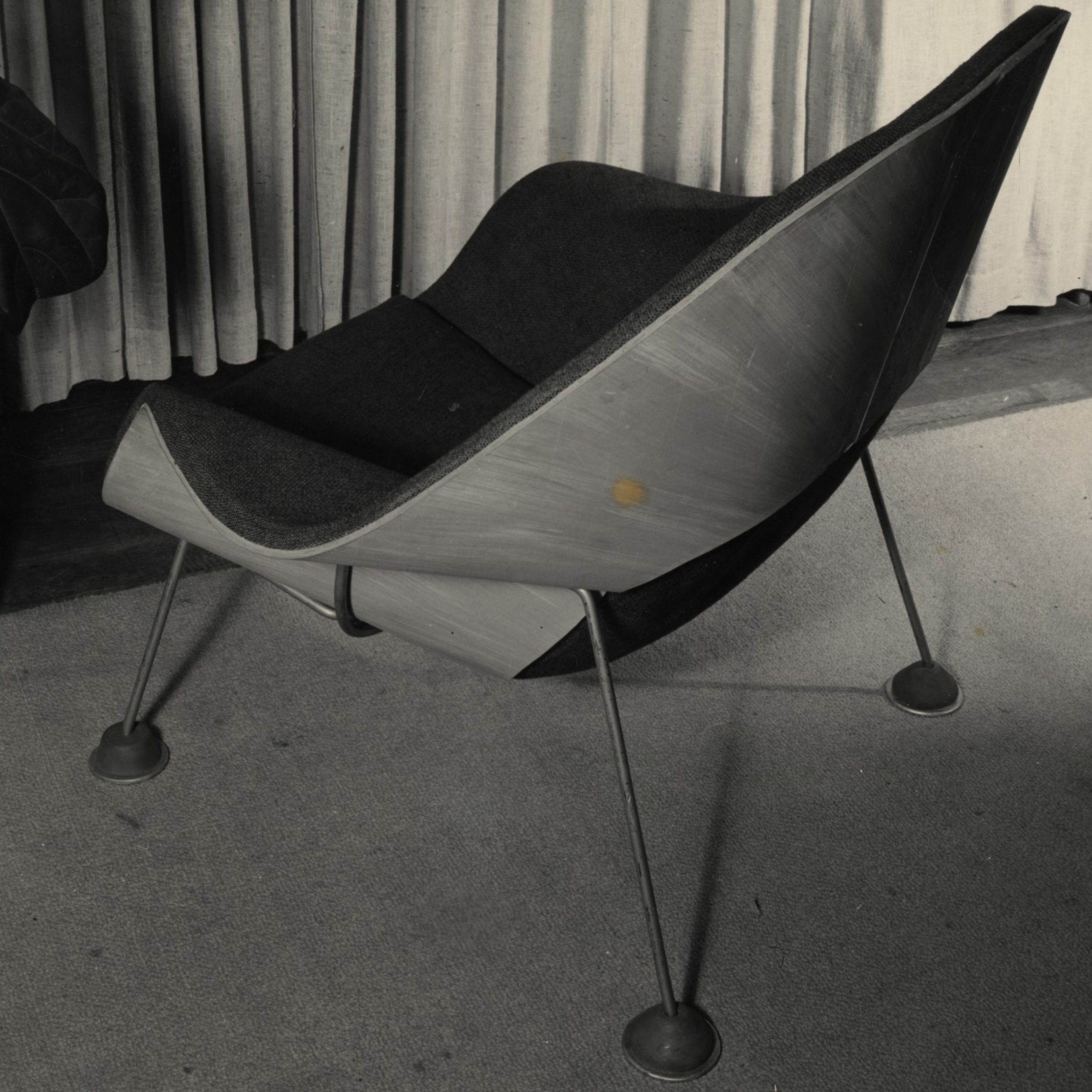
For example, consider the Womb Chair by Eero Saarinen. Its organic, enveloping shape mirrors the nurturing embrace of a womb, while its wooden base grounds it in the stability of the wood. This fusion of comfort and structure is a perfect metaphor for the balance we seek in life.
In visual art, the contrast between soft, rounded forms (womb) and rigid, linear structures (wood) can create striking compositions. Artists might use these elements to explore themes of femininity, resilience, or the intersection of the natural and the man-made.

Cultural and Historical Perspectives
Throughout history, the womb and the wood have held sacred places in various cultures. In ancient Egyptian mythology, the goddess Isis was associated with both the womb (as a creator) and the djed pillar (a symbol of stability and the wood). Similarly, in Norse tradition, the world tree Yggdrasil connects the nine realms, embodying the wood’s role as a cosmic axis.
Indigenous cultures often revere both the womb and trees as sources of life. For instance, many Native American tribes view the womb as a sacred vessel for future generations, while trees like the cedar or oak are seen as living ancestors that provide wisdom and protection.
These historical connections remind us that the womb and the wood are not just abstract concepts but lived realities that have shaped human civilization. They invite us to honor the past while reimagining their relevance in our modern lives.
Conclusion
The womb and the wood are more than symbols—they are invitations to explore the depths of our creativity, strength, and connection to the world around us. Whether you find yourself drawn to the nurturing embrace of the womb or the unyielding resilience of the wood, both offer valuable lessons for living a balanced and intentional life.
As you move forward, carry the playful question and the Week of Womb and Wood challenge with you. Let these concepts inspire you to reflect, create, and grow. And remember, the magic lies not in choosing one over the other but in embracing the harmony between them.
FAQ
What do The Womb and The Wood symbolize?
The Womb symbolizes creation, nurturing, and feminine empowerment, while The Wood represents strength, resilience, and a connection to nature.
How can I embody the qualities of The Womb and The Wood?
Engage in a week-long challenge, alternating between activities that foster creativity and nurturing (Womb Days) and those that promote strength and grounding (Wood Days).
Leave a Reply