Short Answer
In this comprehensive guide, you will explore the fascinating world of Tower Phasmophobia and its unique Wipe Card feature. You’ll learn about its mechanics, why players are drawn to it, and the deeper psychological and social reasons behind its popularity. By the end, you’ll understand how this feature enhances gameplay and why it resonates with so many fans of the game.
Understanding Tower Phasmophobia and the Wipe Card
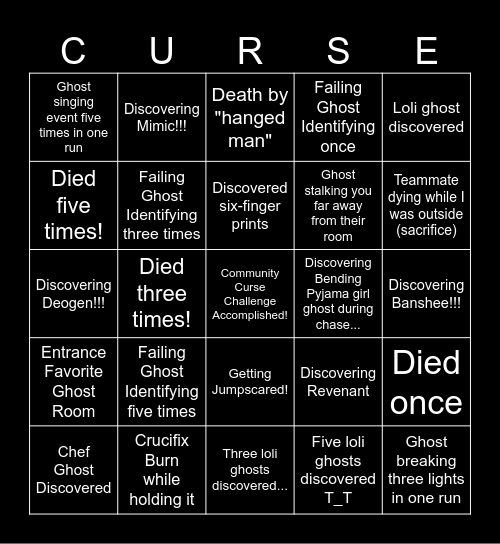
Tower Phasmophobia is a multiplayer horror game where players investigate haunted locations, gather evidence, and survive encounters with supernatural entities. A key mechanic in the game is the Wipe Card, which allows players to reset or “wipe” certain aspects of the investigation, such as ghost evidence or room layouts. This feature is particularly useful in custom games or when players want to restart a session without leaving the lobby.
The Wipe Card serves as a tool for flexibility, enabling players to experiment with different strategies or simply start fresh after a frustrating encounter. Its inclusion reflects the game’s design philosophy of balancing challenge with player agency, ensuring that horror doesn’t feel punishing but rather an engaging and dynamic experience.
The Role of the Wipe Card in Gameplay
The Wipe Card’s primary function is to reset specific elements of a game session. For example, if players have gathered too much evidence too quickly, they can use the Wipe Card to clear it and prolong the investigation. This mechanic is especially valuable in custom games where players might want to adjust difficulty or test different ghost types without restarting entirely.
Additionally, the Wipe Card can be used to reset room layouts, which is helpful when players want to explore a new configuration or avoid areas they’ve already thoroughly checked. This feature adds a layer of strategy, as players must decide when and how to use the Wipe Card to their advantage. It also prevents the game from becoming stale, as players can continuously adapt their approach.
Why Players Are Fascinated by the Wipe Card
One of the most intriguing aspects of the Wipe Card is its psychological appeal. Horror games thrive on tension and unpredictability, but prolonged frustration can lead to burnout. The Wipe Card offers a sense of control, allowing players to reset their progress and try again without feeling trapped. This feature taps into the human desire for agency, even in high-stress situations.
Another reason for its popularity is the social dynamics it introduces. In multiplayer games, players often debate when to use the Wipe Card, creating opportunities for teamwork, strategy, and even humor. For example, a player might jokingly suggest using the Wipe Card after a particularly unlucky ghost encounter, lightening the mood and fostering camaraderie. This social interaction enhances the overall experience, making the game more than just a test of nerves.
The Wipe Card also encourages experimentation. Players can test different ghost types, evidence combinations, or strategies without fear of permanent failure. This freedom to explore and learn makes the game more accessible to newcomers while still offering depth for experienced players.
The Deeper Reasons Behind the Fascination
Beyond its practical uses, the Wipe Card resonates on a deeper level with players. Horror games often play on primal fears, but they also offer a safe space to confront those fears. The Wipe Card acts as a metaphorical “reset button” for the mind, allowing players to face their anxieties and try again. This psychological safety net makes the horror more enjoyable rather than overwhelming.
There’s also a meta-layer to the Wipe Card’s appeal. In life, we often wish we could “wipe” our mistakes and start over. The Wipe Card fulfills this fantasy in a controlled, game-based environment. It’s a way to indulge in the idea of second chances without real-world consequences, which is a powerful draw for many players.
Furthermore, the Wipe Card reflects modern gaming trends that prioritize player choice and customization. Games today are designed to be replayable, and features like the Wipe Card align with this philosophy. They cater to players who want to tailor their experience, whether for fun, challenge, or experimentation.
How to Use the Wipe Card Effectively
To maximize the benefits of the Wipe Card, players should consider a few key strategies. First, use it sparingly. Over-reliance on the Wipe Card can diminish the sense of accomplishment that comes from overcoming challenges organically. Save it for moments when progress feels stuck or when experimenting with new tactics.
Second, communicate with your team. The Wipe Card can be a point of contention, so discussing its use beforehand can prevent frustration. For example, if one player wants to wipe evidence to prolong the game, while others prefer to push forward, a quick consensus can keep everyone on the same page.
Finally, use the Wipe Card as a learning tool. If a particular ghost or evidence set is proving too difficult, wiping and trying a different approach can help players understand the mechanics better. This iterative process is key to mastering Tower Phasmophobia.
Conclusion
The Wipe Card in Tower Phasmophobia is more than just a gameplay mechanic—it’s a psychological and social tool that enhances the gaming experience. It offers players control, flexibility, and a sense of safety in an otherwise terrifying environment. Its appeal lies not only in its practical uses but also in the deeper human desires it satisfies: the need for second chances, the joy of experimentation, and the comfort of camaraderie.
Whether you’re a seasoned investigator or a newcomer to the world of Phasmophobia, the Wipe Card is a feature worth mastering. It transforms the game from a simple horror challenge into a dynamic, replayable, and deeply engaging experience. By understanding its nuances and using it strategically, you can elevate your gameplay and enjoy Tower Phasmophobia to its fullest potential.
FAQ
What is the Wipe Card in Tower Phasmophobia?
The Wipe Card is a gameplay feature that allows players to reset certain elements of an investigation, such as ghost evidence or room layouts, to start fresh or adjust strategies.
How does the Wipe Card affect multiplayer gameplay?
It introduces social dynamics by encouraging team discussions on when to use the card, fostering strategy, teamwork, and camaraderie.
Why do players find the Wipe Card appealing?
Players appreciate the control it offers in high-stress scenarios, the opportunity for experimentation without permanent failure, and the psychological safety it provides.
When should the Wipe Card be used effectively?
It should be used sparingly, preferably when progress stalls or when experimenting with new tactics, and after team consensus to avoid frustration.
Leave a Reply