Short Answer
In this comprehensive guide, you will explore the profound concepts of the Traditional Reversed and the Tree of Life, two interconnected spiritual frameworks that offer deep insights into personal growth, healing, and the structure of existence. You’ll learn about their origins, symbolic meanings, practical applications, and how they relate to modern spiritual practices. Whether you’re a beginner or an experienced seeker, this guide will provide valuable knowledge to enhance your understanding of these ancient wisdom traditions.
Understanding the Tree of Life
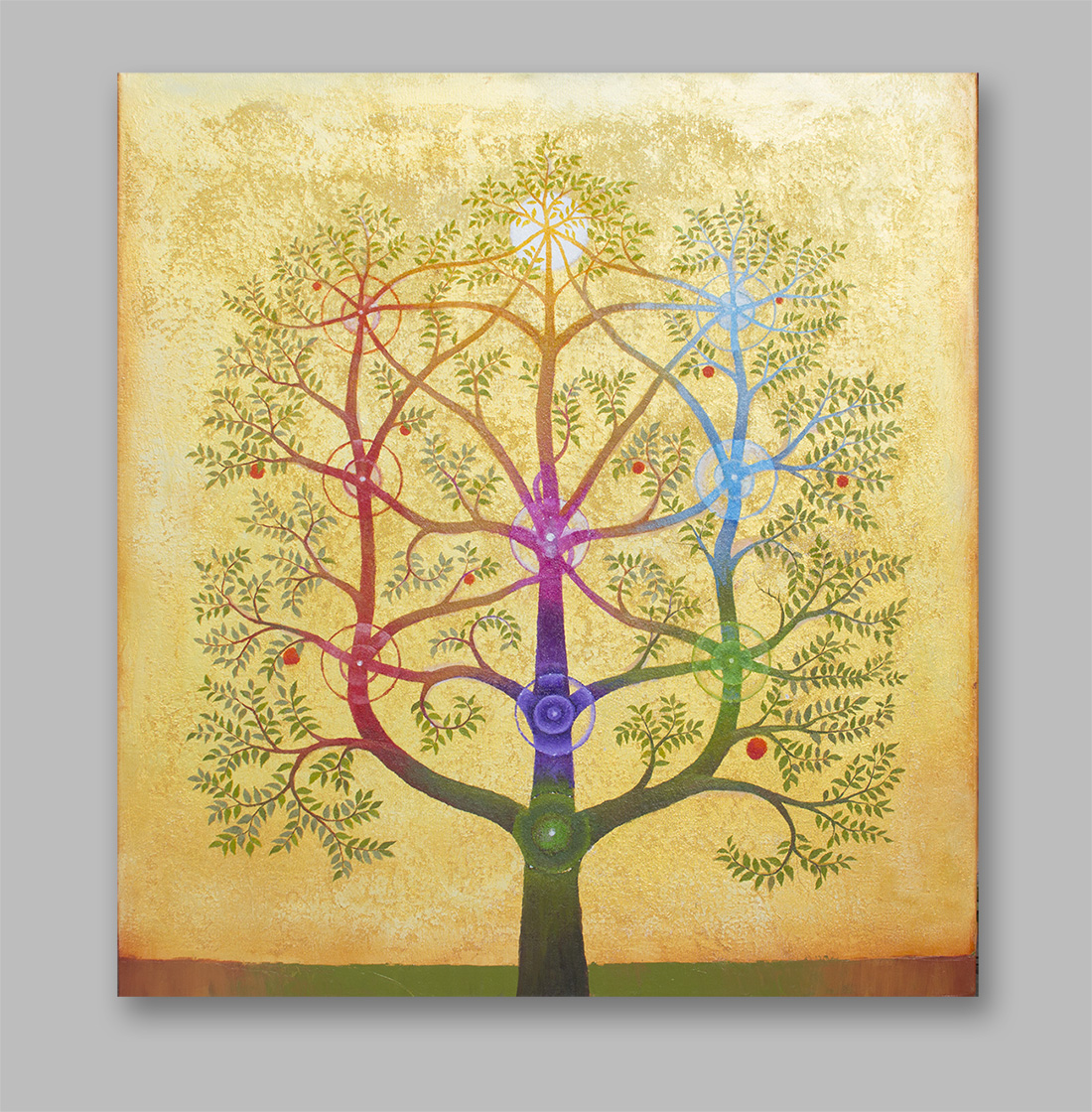
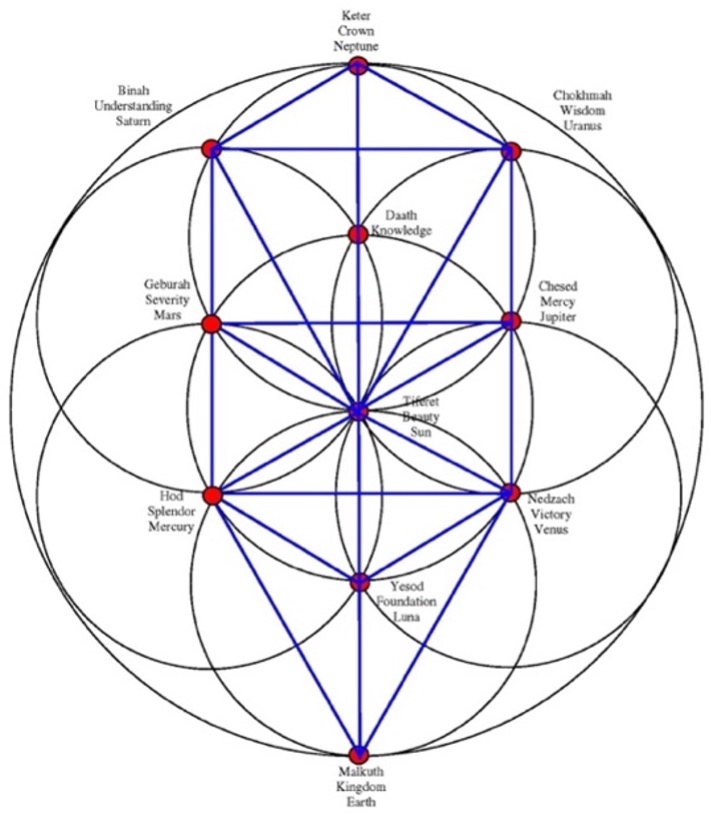
The Tree of Life is a universal symbol found in various spiritual, religious, and esoteric traditions, including Kabbalah, Hermeticism, and ancient mythology. It represents the interconnectedness of all existence, depicting a diagram of ten divine emanations, or Sefirot, connected by 22 paths. Each Sefirah corresponds to a specific aspect of divine energy, human consciousness, and cosmic principles.
The Tree of Life serves as a map for spiritual evolution, illustrating the journey from the finite to the infinite. It is often used as a tool for meditation, self-reflection, and understanding the divine order of the universe. The ten Sefirot—such as Keter (Crown), Chokmah (Wisdom), and Binah (Understanding)—represent stages of enlightenment and the unfolding of creation.
The Concept of Traditional Reversed
The Traditional Reversed refers to the inversion or reversal of the Tree of Life’s natural order, where the flow of energy moves downward instead of upward. This concept is often associated with chaos, disruption, or the shadow aspects of the spiritual path. In Kabbalistic terms, it represents the Qliphoth, the realm of impure or broken vessels that obstruct divine light.
Understanding the Traditional Reversed is crucial for spiritual seekers because it highlights the importance of balance and harmony. It teaches that imbalance—whether in thought, emotion, or action—can lead to stagnation or negative consequences. By recognizing these reversed patterns, individuals can work to restore equilibrium and realign with higher spiritual principles.
Key Differences Between the Tree of Life and Traditional Reversed
While the Tree of Life symbolizes divine order, spiritual growth, and enlightenment, the Traditional Reversed embodies chaos, fragmentation, and the consequences of misalignment. The Tree of Life is a path of ascension, where energy flows from Keter (the Crown) down to Malkuth (the Kingdom), representing the material world. In contrast, the Traditional Reversed depicts a descent into confusion, where energy is trapped in lower, unbalanced states.
Another key difference lies in their practical applications. The Tree of Life is often used for meditation, healing, and personal development, while the Traditional Reversed may be explored through shadow work, psychological integration, or identifying areas of life that require realignment. Both concepts are essential for a holistic spiritual practice, as they provide a complete picture of existence—light and shadow, order and chaos.
Practical Applications of the Tree of Life
The Tree of Life can be applied in various ways to enhance spiritual growth and self-awareness. One common method is through meditation, where practitioners visualize the Sefirot and the paths connecting them, focusing on specific energies or lessons associated with each Sefirah. For example, meditating on Chesed (Mercy) can cultivate compassion, while meditating on Geburah (Strength) can foster discipline and courage.
Another practical application is using the Tree of Life as a framework for personal development. By identifying which Sefirot or paths resonate most strongly with your current life challenges, you can set intentions for growth and transformation. For instance, if you struggle with self-expression, focusing on Hod (Glory) and Netzach (Victory) can help you find balance between logic and emotion.

Working with the Traditional Reversed
Engaging with the Traditional Reversed requires a willingness to confront shadow aspects and areas of imbalance in your life. This process often begins with self-inquiry and identifying patterns that no longer serve your highest good. For example, if you find yourself repeating negative behaviors or feeling stuck in toxic relationships, these may be signs of reversed energy at play.
One effective way to work with the Traditional Reversed is through ritual or symbolic acts of reversal. This could involve writing down limiting beliefs and burning them as a way to release their hold on you, or visualizing the restoration of balance within the Tree of Life. Additionally, exploring the Qliphoth can provide insights into the obstacles you face, helping you understand the root causes of your challenges and how to overcome them.
Integrating Both Concepts for Holistic Growth
To achieve true spiritual mastery, it is essential to integrate both the Tree of Life and the Traditional Reversed into your practice. The Tree of Life offers a roadmap for ascension and enlightenment, while the Traditional Reversed provides the necessary contrast to recognize imbalance and stagnation. By acknowledging and working with both, you create a dynamic and transformative spiritual journey.
For example, if you are experiencing a period of stagnation, you might use the Tree of Life to identify which Sefirot are blocked or underactive. Simultaneously, you can explore the Traditional Reversed to uncover the underlying fears or limiting beliefs that are causing the blockage. This dual approach allows for a more comprehensive healing process, addressing both the symptoms and the root causes of your challenges.
Conclusion
The Tree of Life and the Traditional Reversed are powerful spiritual tools that offer profound insights into the nature of existence and the human journey. By understanding their symbolic meanings, practical applications, and interconnections, you can harness their wisdom to foster growth, healing, and alignment with your highest self. Whether you are drawn to the structured path of the Tree of Life or the transformative challenges of the Traditional Reversed, both concepts provide invaluable guidance for navigating life’s complexities. Embrace these teachings with an open heart and mind, and you will discover a deeper connection to the divine and to your own inner wisdom.
FAQ
What is the Tree of Life?
The Tree of Life is a spiritual symbol representing the interconnectedness of all existence, illustrating a path for spiritual evolution.
What does Traditional Reversed signify?
Traditional Reversed refers to the inversion of the Tree of Life’s natural order, symbolizing chaos and the shadow aspects of the spiritual path.
Leave a Reply