Short Answer
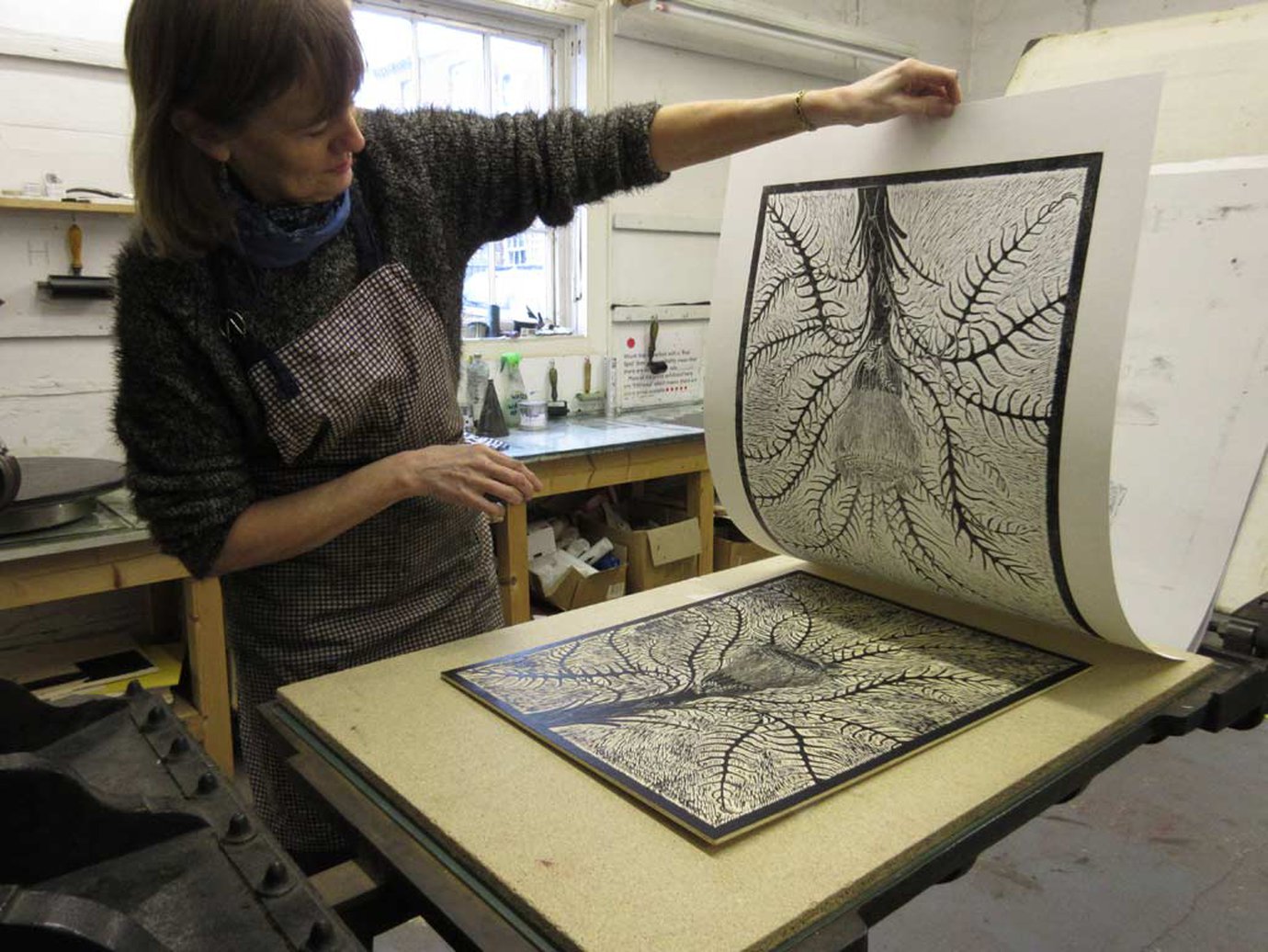
This guide explores the artistic and symbolic connections between the Tree & Tricia Newell (1986) and the Seven of Swords tarot card. You’ll discover how these seemingly disparate elements—one rooted in contemporary art and the other in esoteric tradition—intersect through themes of strategy, ambiguity, and hidden motives. By the end, you’ll understand why these references continue to captivate audiences and what deeper meanings they might reveal about human behavior and creativity.
The Artistic Vision of Tricia Newell (1986)
Tricia Newell is a contemporary artist whose work often blends surrealism with minimalist aesthetics, creating pieces that invite viewers to question their perceptions. Born in 1986, Newell’s art spans various mediums, including painting, digital art, and mixed media. Her style is characterized by clean lines, muted color palettes, and compositions that evoke a sense of quiet tension. This approach aligns with the broader trend in modern art to explore psychological depth through visual simplicity.
One of Newell’s notable works features a figure holding a sword, a recurring motif in her portfolio. This imagery isn’t merely decorative; it serves as a visual metaphor for decision-making, conflict, or the act of cutting through ambiguity. The sword, as a symbol, has been used across cultures to represent authority, truth, and the power to discern. In Newell’s hands, it becomes a tool for examining the human condition—how we navigate choices and the often-unseen forces that guide us.
The Seven of Swords: A Tarot Card of Cunning and Ambiguity
The Seven of Swords is one of the 78 cards in the Minor Arcana of the tarot deck, specifically within the suit of Swords, which governs intellect, conflict, and communication. Traditionally, this card depicts a figure sneaking away with five swords while two remain in the background, suggesting a scenario of deception, strategy, or evasion. The card often appears in readings when someone is considering a less-than-honest approach to achieve their goals or when they feel the need to protect themselves by withholding information.
At its core, the Seven of Swords challenges the viewer to reflect on their own motivations. Are they acting out of necessity, or are they driven by selfishness? The card doesn’t provide clear answers but instead highlights the complexity of human intentions. This duality—between strategy and subterfuge—makes it a compelling subject for artistic interpretation, as it mirrors the way people navigate social and professional landscapes.

Connecting the Dots: Newell’s Art and the Seven of Swords
The intersection between Tricia Newell’s art and the Seven of Swords lies in their shared exploration of human psychology. Newell’s paintings often feature solitary figures in moments of contemplation or action, much like the figure in the Seven of Swords. Both the artist and the tarot card use visual language to convey themes of strategy, secrecy, and the subconscious mind. For instance, Newell’s use of light and shadow in her compositions can evoke the same sense of ambiguity found in the tarot card, where nothing is quite as it seems.
Another point of connection is the idea of the “hidden hand.” In Newell’s work, elements are often subtly placed to guide the viewer’s eye, much like the way the Seven of Swords suggests that actions have unseen consequences. This parallel underscores a broader cultural fascination with the idea that truth is often layered or obscured. Whether in art or divination, the act of uncovering hidden meanings becomes a metaphor for personal growth and self-awareness.
Why These Themes Resonate: A Deeper Look
The enduring appeal of Newell’s art and the Seven of Swords can be attributed to their ability to reflect universal human experiences. Strategy, deception, and the search for clarity are themes that resonate across time and culture. In an era where information is abundant yet often unreliable, these symbols serve as reminders of the importance of critical thinking and introspection. They also highlight the tension between individual desires and societal expectations—a conflict that is both timeless and deeply personal.
Moreover, the Seven of Swords and Newell’s art tap into a collective curiosity about the unseen. What motivates people to act in certain ways? How do we reconcile our public personas with our private intentions? These questions are particularly relevant in today’s digital age, where social media and virtual interactions can amplify both authenticity and artifice. By engaging with these symbols, viewers are encouraged to examine their own behaviors and the narratives they construct about themselves and others.
Conclusion
The relationship between Tricia Newell’s art and the Seven of Swords tarot card is more than a coincidental overlap of imagery; it’s a convergence of themes that speak to the human experience. Through Newell’s minimalist yet evocative compositions and the tarot card’s layered symbolism, both mediums explore the nuances of strategy, ambiguity, and self-deception. These themes resonate because they reflect the complexities of navigating life’s challenges, where truth is often elusive and intentions are not always clear.
Whether you’re drawn to Newell’s paintings for their aesthetic appeal or the Seven of Swords for its symbolic depth, both offer valuable insights into the ways we perceive and interact with the world. They remind us that clarity is not always immediate, and that the most profound revelations often come from looking beyond the surface. In this light, the fascination with these elements isn’t just about their visual or symbolic appeal—it’s about their power to provoke thought and encourage a deeper understanding of ourselves and others.
FAQ
What is the significance of the Seven of Swords in tarot?
The Seven of Swords represents themes of strategy, cunning, and deception, often prompting introspection about one’s motivations.
How does Tricia Newell's art relate to tarot?
Newell’s art explores psychological themes similar to those found in tarot, particularly through the use of symbolism and visual metaphors.

Leave a Reply