Short Answer
Welcome to a journey through the mesmerizing world of Ukiyoe Tarot—a fusion of traditional Japanese art and the mystical language of tarot. In this guide, you’ll discover the origins, artistic brilliance, and symbolic depth of this unique deck. Explore how Ukiyoe’s vibrant aesthetics and timeless themes intertwine with tarot’s archetypal wisdom to create a visually stunning and spiritually enriching experience. Whether you’re a tarot enthusiast, an art lover, or simply curious about cross-cultural symbolism, this guide will illuminate the captivating allure of the Ukiyoe Tarot deck.
The Origins and Philosophy of Ukiyoe Tarot
The Ukiyoe Tarot deck is a harmonious marriage between the ancient Japanese art form of Ukiyoe and the esoteric tradition of tarot. Ukiyoe, which translates to “pictures of the floating world,” emerged during the Edo period (1603–1868) as a popular art movement that depicted scenes of everyday life, nature, and folklore. Artists like Hokusai and Hiroshige captured fleeting moments with exquisite detail, using woodblock prints to convey emotion and narrative.
Tarot, on the other hand, traces its roots to 15th-century Europe, where it began as a card game before evolving into a tool for divination and self-reflection. The Major Arcana, with its 22 cards representing universal life themes, aligns beautifully with Ukiyoe’s focus on human experiences, nature’s cycles, and the ephemeral nature of existence. The Ukiyoe Tarot deck reimagines these archetypes through the lens of Japanese aesthetics, blending the symbolic language of tarot with the serene yet profound imagery of Ukiyoe.
Artistic Brilliance: Visual Language and Symbolism
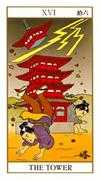
The Ukiyoe Tarot deck is a visual feast, characterized by its delicate lines, rich colors, and intricate patterns. Each card is a miniature masterpiece, drawing inspiration from classic Ukiyoe themes such as cherry blossoms, Mount Fuji, courtesans, samurai, and mythical creatures like dragons and phoenixes. The deck often employs the *ukiyo-e* technique of *nishiki-e* (brocade pictures), which uses multiple woodblocks to create vibrant, layered images.
Symbolism plays a pivotal role in the Ukiyoe Tarot. For instance, the Fool card might depict a traveler setting off on a journey, mirroring the Japanese concept of *mono no aware*—the pathos of things—where impermanence and beauty are intertwined. The Death card could feature a serene autumn scene with falling leaves, symbolizing transformation and renewal, a theme deeply rooted in Japanese culture. The use of seasonal motifs, such as cherry blossoms for fleeting beauty or snow for purity, adds layers of meaning that resonate with both tarot and Ukiyoe traditions.
Cultural Fusion: East Meets West in Tarot
The Ukiyoe Tarot deck is more than just a visual reinterpretation; it’s a cultural bridge that merges Eastern and Western spiritual traditions. While tarot’s structure remains intact—with its 78 cards divided into Major and Minor Arcana—the imagery and metaphors are distinctly Japanese. This fusion creates a deck that feels both familiar and exotic, offering a fresh perspective on tarot’s timeless wisdom.
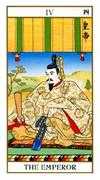
For example, the Emperor card might depict a feudal lord in traditional attire, embodying authority and structure, while the High Priestess could be represented by a shrine maiden or a wise woman in a moonlit garden, symbolizing intuition and hidden knowledge. The Minor Arcana often incorporates elements of Japanese folklore, such as *yokai* (supernatural creatures) or *kami* (spirits), infusing the deck with a sense of mysticism that feels both ancient and accessible.
This cultural synthesis makes the Ukiyoe Tarot particularly appealing to those who appreciate the interplay of different artistic and spiritual traditions. It invites users to explore tarot through a new cultural lens, enriching their readings with layers of meaning that transcend language barriers.
Practical Uses: How to Work with the Ukiyoe Tarot
The Ukiyoe Tarot deck is not just a collector’s item; it’s a functional tool for divination, meditation, and self-discovery. Its unique imagery can deepen your tarot practice by providing fresh interpretations of traditional archetypes. Here are some ways to incorporate the deck into your spiritual routine:
- Divination: Use the deck for readings just as you would with any other tarot deck. The Japanese-inspired imagery can bring new insights to classic spreads like the Celtic Cross or the Three-Card Spread. Pay attention to the seasonal and cultural symbols that appear in the cards, as they may offer clues to the energies at play.
- Meditation: The serene and often minimalist aesthetic of Ukiyoe Tarot makes it ideal for meditation. Focus on a single card, such as the Star or the Moon, and allow its imagery to guide your visualization. The tranquility of the scenes can help quiet the mind and foster a deeper connection to the subconscious.
- Journaling: Keep a tarot journal where you record your interpretations of each card. Note how the Japanese elements—such as the use of negative space, the emphasis on nature, or the portrayal of emotions—enhance or alter the traditional meanings of the cards. Over time, you’ll develop a personal relationship with the deck that reflects your unique perspective.
- Creative Inspiration: Artists, writers, and musicians can draw inspiration from the Ukiyoe Tarot’s imagery. The deck’s visual storytelling can spark ideas for paintings, poems, or musical compositions that explore themes of impermanence, beauty, and human experience.
The Unique Appeal of Ukiyoe Tarot
What sets the Ukiyoe Tarot apart from other decks is its ability to evoke a sense of harmony and balance. The Japanese aesthetic emphasizes simplicity, asymmetry, and the beauty of imperfection (*wabi-sabi*), which contrasts yet complements the structured symbolism of tarot. This fusion creates a deck that feels both grounding and transcendent, offering a meditative escape from the chaos of modern life.
The Ukiyoe Tarot also appeals to those who appreciate the interplay of light and shadow, both literally and metaphorically. In Ukiyoe art, light often filters through trees or reflects off water, creating a soft, diffused glow. This technique is mirrored in the tarot cards, where the interplay of light and shadow can symbolize the duality of human nature—joy and sorrow, creation and destruction, beginnings and endings.
Additionally, the deck’s connection to nature resonates deeply in today’s world, where urbanization and technology often disconnect us from the natural world. The Ukiyoe Tarot reminds us of the cycles of life, the beauty of fleeting moments, and the importance of living in harmony with our surroundings. Whether you’re drawn to its aesthetic, its cultural depth, or its spiritual insights, the Ukiyoe Tarot offers a timeless and enriching experience.
Conclusion
The Ukiyoe Tarot deck is a testament to the power of art and symbolism to transcend cultural boundaries. By blending the rich traditions of Japanese Ukiyoe with the universal language of tarot, it creates a deck that is as visually stunning as it is spiritually profound. Whether you’re using it for divination, meditation, or creative inspiration, the Ukiyoe Tarot invites you to explore the depths of human experience through a lens of beauty, impermanence, and wisdom.
As you delve into the cards, allow yourself to be transported to a world where cherry blossoms fall like snow, where rivers flow with the rhythm of life, and where every symbol tells a story. The Ukiyoe Tarot is more than a deck; it’s an invitation to see the world—and yourself—through the eyes of an ancient yet ever-evolving art form.
FAQ
What is the Ukiyoe Tarot deck?
The Ukiyoe Tarot deck is a tarot card set that combines traditional Japanese Ukiyoe art styles with the symbolic structure of tarot cards.
How does Ukiyoe art influence the Tarot deck?
Ukiyoe art influences the deck by incorporating Japanese cultural symbols, seasonal motifs, and woodblock print aesthetics into the tarot archetypes.
Can I use the Ukiyoe Tarot deck for standard tarot readings?
Yes, the Ukiyoe Tarot deck can be used for divination, meditation, journaling, and creative inspiration, just like traditional tarot decks.
What makes the Ukiyoe Tarot deck unique?
Its unique cultural fusion of Eastern art and Western tarot symbolism creates a visually stunning and spiritually enriching experience.
Is the Ukiyoe Tarot deck suitable for beginners?
While beautiful and rich in symbolism, beginners might benefit from supplemental guides due to the cultural nuances in the imagery.
Leave a Reply