Short Answer
Welcome to a journey into the world of Kim Krans’ Tarot, where simplicity meets depth. In this guide, you’ll explore the minimalist yet profound meanings behind the cards in the Wild Unknown Tarot Deck. Whether you’re a seasoned reader or just beginning your tarot practice, this guide will help you uncover the subtle layers of each card, pose playful questions, and recognize the challenges they may present. By the end, you’ll have a clearer understanding of how to interpret these cards in your readings and how their minimalist design enhances their symbolic power.
Understanding the Minimalist Aesthetic of Kim Krans’ Tarot
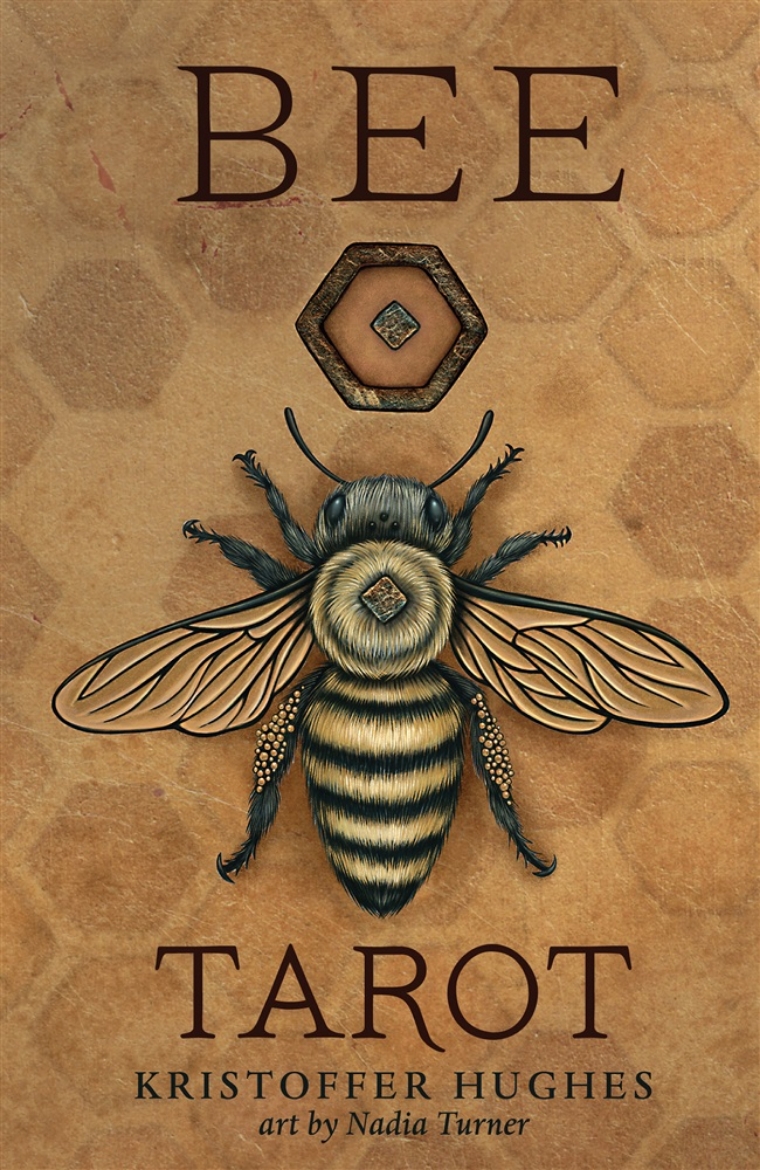
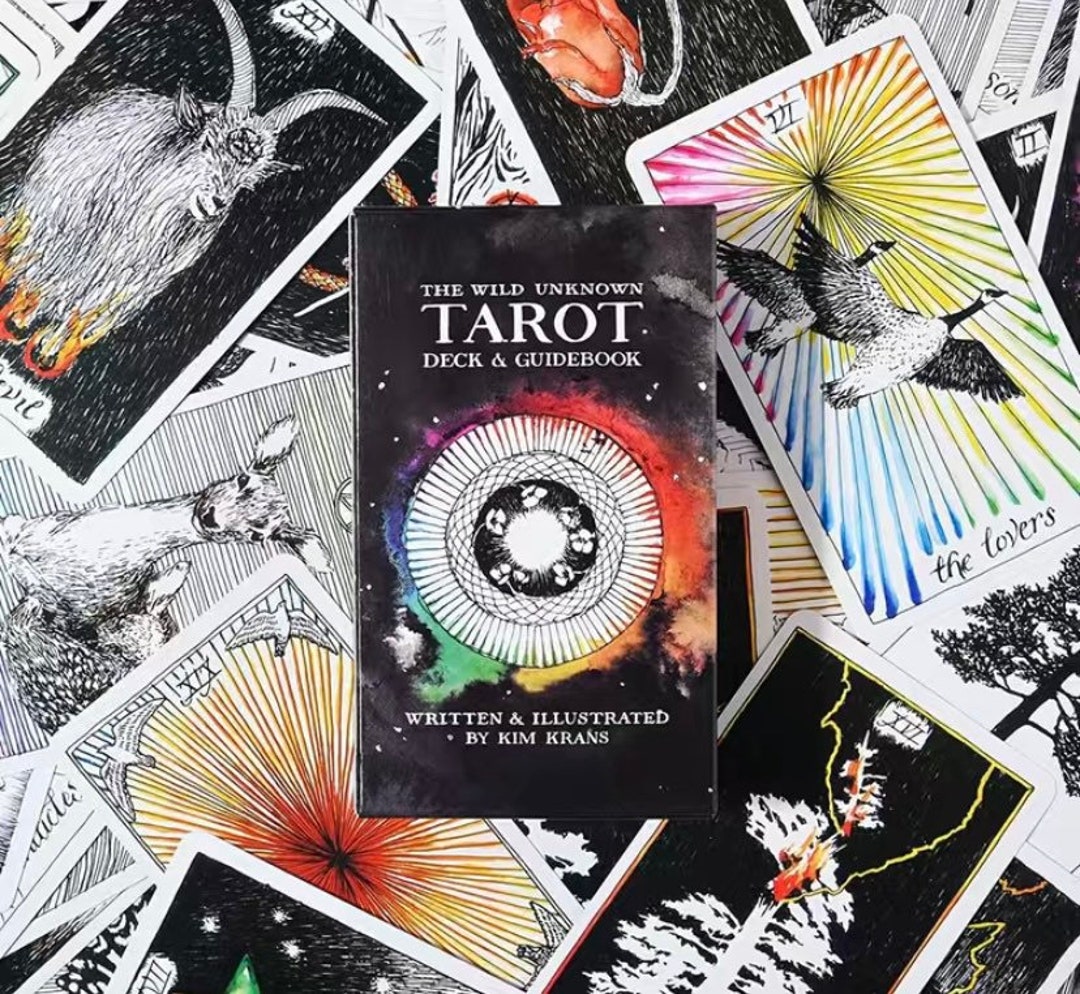
The Wild Unknown Tarot Deck is celebrated for its clean, minimalist design. Kim Krans’ artistic choices—using stark lines, limited color palettes, and bold imagery—create a deck that feels both modern and timeless. This minimalism isn’t just about aesthetics; it’s a deliberate choice to strip away distractions and focus on the essence of each card’s meaning. The simplicity of the artwork invites you to engage more deeply with the symbolism, allowing your intuition to fill in the gaps. For example, the Bee card, with its delicate yet striking illustration, embodies themes of community, hard work, and transformation without overwhelming the viewer with intricate details. This approach encourages you to ask: What is the core message here, and how does it resonate with my current situation?
In contrast to more ornate decks, the Wild Unknown’s minimalism makes it accessible to beginners while still offering depth for advanced readers. The lack of excessive embellishment means the cards’ meanings are distilled to their purest form, making them easier to memorize and interpret. This design philosophy also reflects the deck’s connection to nature, where every element has a purpose and nothing is superfluous.
How to Pose Playful Questions to the Cards
One of the joys of working with the Wild Unknown Tarot is the opportunity to engage with the cards in a lighthearted yet meaningful way. Playful questioning isn’t about trivializing the tarot; it’s about opening your mind to new perspectives and uncovering hidden insights. For instance, if you draw the Fox card, instead of asking a broad question like, “What should I know about my future?” you might ask, “Where am I being clever or sly in my current situation?” or “What hidden opportunity am I overlooking?” This approach encourages you to think outside the box and see the card’s message in a more personal context.
Another way to pose playful questions is to use the cards as a mirror for your subconscious. Let’s say you pull the Owl card, which often represents intuition and wisdom. Instead of a serious inquiry, you might ask, “What is my inner voice trying to tell me that I’ve been ignoring?” or “Where do I need to trust my instincts more?” The key is to keep the questions open-ended and curious, allowing the cards to guide you toward unexpected revelations. This method not only makes your readings more engaging but also helps you develop a deeper relationship with the deck.
Remember, the tarot is a tool for self-reflection, and there’s no wrong way to ask a question. The more you experiment with different phrasings, the more you’ll discover about how the cards speak to you. Over time, you’ll develop a unique dialogue with the Wild Unknown Tarot that feels both intuitive and empowering.
Recognizing the Challenges Within the Cards
While the Wild Unknown Tarot often presents its messages in a gentle, minimalist way, that doesn’t mean the cards shy away from addressing challenges. In fact, the deck’s simplicity can make it easier to confront difficult truths head-on. For example, the Storm card, with its swirling black lines and stark contrast, is a powerful reminder of chaos, upheaval, and the need to adapt. Instead of shying away from its intensity, the card invites you to ask: “Where in my life am I resisting change, and what would happen if I embraced it?”
Another card that highlights potential challenges is the Crow, often associated with transformation and the unknown. While the Crow can symbolize rebirth, it can also represent feelings of isolation or the fear of the unfamiliar. When this card appears, it’s an opportunity to reflect: “Am I holding onto something that no longer serves me, or am I afraid to let go?” The minimalist design of the card amplifies its impact, forcing you to sit with the discomfort and find clarity within the simplicity.
It’s important to approach these challenging cards with curiosity rather than fear. The Wild Unknown Tarot doesn’t sugarcoat the harder aspects of life; instead, it presents them in a way that feels manageable. By acknowledging the obstacles the cards highlight, you can use their messages as a catalyst for growth rather than avoidance.
The Power of Minimalism in Tarot Readings
The minimalist design of the Wild Unknown Tarot isn’t just a stylistic choice—it’s a functional one. By reducing the visual noise, the deck allows the symbolic meanings to shine through more clearly. This is particularly helpful when you’re working with cards that have complex or layered interpretations. For instance, the Tree of Life card, with its intricate branches and roots, can represent growth, connection, and the cyclical nature of life. In a more ornate deck, the details might distract from the core message, but in the Wild Unknown, the simplicity ensures that the card’s essence is immediately apparent.
Minimalism also encourages you to rely more on your intuition. When a card’s imagery is stripped down to its essential elements, your mind is free to interpret it based on your own experiences and emotions. This can lead to more personalized and meaningful readings. For example, the Moon card in the Wild Unknown deck features a single crescent moon against a dark background. While the card traditionally represents intuition and the subconscious, its minimalist presentation might evoke feelings of mystery or uncertainty for you personally. This subjective experience is what makes tarot readings so powerful—they’re not just about memorizing definitions but about connecting with the cards on a deeper level.
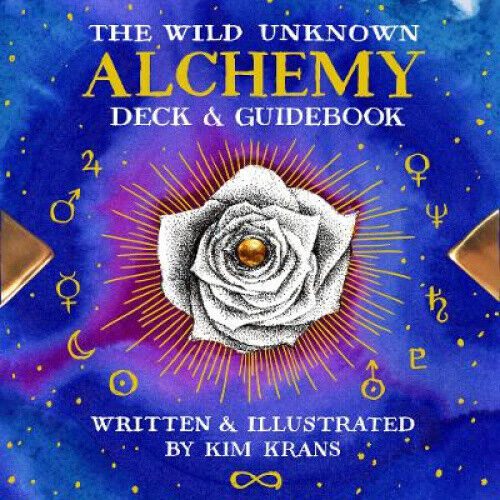
Additionally, the minimalist aesthetic of the Wild Unknown Tarot makes it easier to focus during readings. Whether you’re doing a single-card pull or a complex spread, the clean lines and uncluttered designs help you stay centered on the messages at hand. This is especially beneficial for those who are easily overwhelmed by too much visual information. The deck’s simplicity acts as a calming influence, allowing you to approach your readings with clarity and intention.
Conclusion
The Wild Unknown Tarot by Kim Krans is a testament to the beauty of simplicity in divination. Its minimalist design doesn’t just make the deck visually striking—it enhances its ability to convey deep, meaningful messages. By engaging with the cards through playful questions and confronting the challenges they present, you’ll develop a richer understanding of their symbolism and how it applies to your life. Whether you’re a beginner or an experienced reader, the Wild Unknown Tarot offers a unique and intuitive way to explore the tarot’s wisdom. Embrace the minimalist aesthetic, trust your intuition, and let the cards guide you toward greater clarity and self-awareness.
FAQ
What makes Kim Krans' Wild Unknown Tarot deck unique?
The deck is distinguished by its minimalist, nature-inspired artwork that strips away distractions to focus on core symbolic meanings, encouraging intuitive and personal interpretations.
How can beginners benefit from the Wild Unknown Tarot deck?
Its clean, simple design makes it accessible and easier to memorize, while still offering depth for advanced readers, making it suitable for all experience levels.
What role do playful questions play in tarot readings with this deck?
Playful questions help open new perspectives and personal insights, making readings more engaging and fostering a unique dialogue with the cards.
How does the minimalist design help in recognizing challenges in tarot readings?
The simplicity of the cards allows readers to confront difficult truths more directly and manageably by emphasizing essential themes without overwhelming details.
Leave a Reply