Short Answer
Embark on a journey into the mystical world of tarot cards, where ancient symbolism meets modern intuition. This guide will illuminate the intricate meanings behind each card, revealing how they serve as mirrors to the human experience. You’ll discover the rich tapestry of archetypes, the interplay of light and shadow, and the profound wisdom tarot offers for self-reflection and decision-making. Whether you’re a curious beginner or a seasoned seeker, prepare to unlock the secrets of the cards and harness their transformative power.
The Language of Symbols: Decoding the Tarot’s Visual Poetry
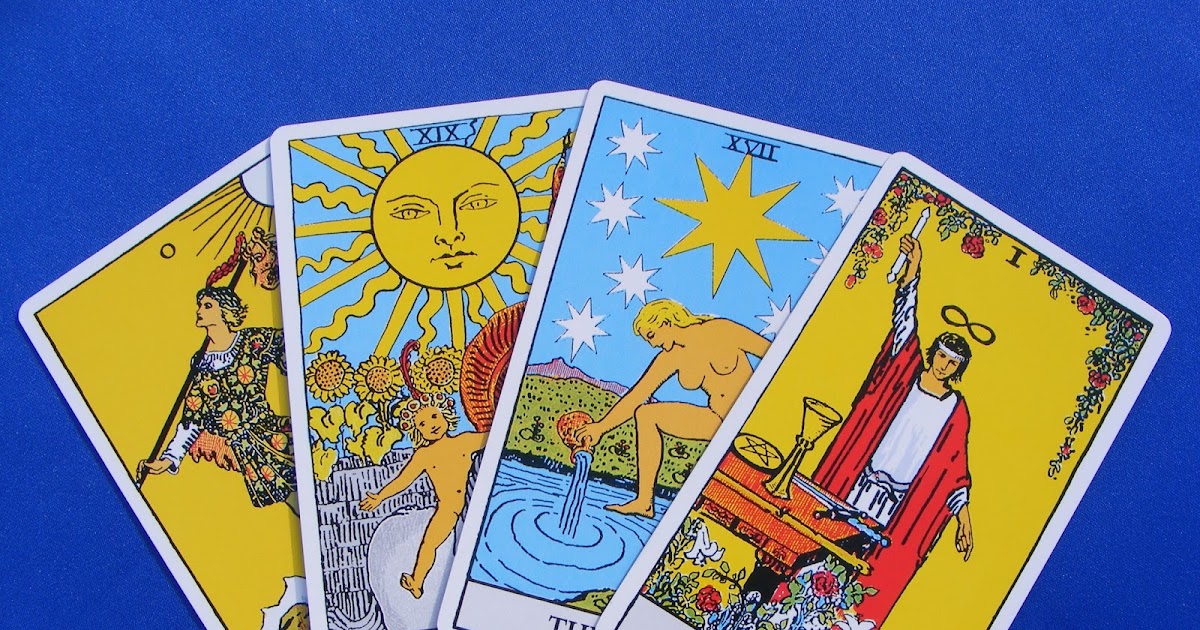
Tarot cards are more than mere illustrations—they are a visual language, a silent conversation between the conscious and the subconscious. Each card is a microcosm of human emotion, experience, and universal truths, rendered in vivid symbols. The Fool’s leap into the unknown, the Tower’s sudden collapse, or the Lovers’ intertwined destinies—these images are not random. They are carefully crafted metaphors that resonate with our deepest fears, desires, and aspirations. For instance, the High Priestess, draped in lunar light, embodies intuition and hidden knowledge, while the Emperor’s throne symbolizes structure and authority. By learning to “read” these symbols, you begin to decipher the tarot’s cryptic messages, transforming abstract concepts into tangible insights.
Colors play a pivotal role in this symbolic language. Warm hues like red and gold often signify passion, ambition, or vitality, while cooler tones like blue and purple evoke calm, spirituality, or introspection. Even the absence of color—such as in the stark black-and-white imagery of some decks—can carry weight, suggesting neutrality or the need for deeper reflection. The interplay of these elements creates a dynamic narrative, where every detail whispers a story waiting to be uncovered.
The Major Arcana: The Hero’s Journey in 22 Acts
The Major Arcana consists of 22 cards, each representing a pivotal moment in the human journey. These cards are the backbone of any tarot reading, offering a roadmap to personal growth and transformation. At the heart of this sequence lies the Fool, a carefree traveler stepping off a cliff, symbolizing new beginnings and boundless potential. As the journey unfolds, the Fool encounters the Magician, who wields tools to manifest dreams, and the High Priestess, who guards the secrets of the unseen world. The cards progress through trials (Strength, the Chariot), relationships (the Lovers, the Hierophant), and challenges (Death, the Tower) before culminating in the World, a card of completion and wholeness.
These archetypes are not just characters in a story—they are reflections of our own lives. The Magician might appear when you’re called to take charge of a situation, while the Hermit could signal a need for solitude and introspection. By understanding the Major Arcana, you align yourself with the universal patterns of growth, recognizing that your struggles and triumphs are part of a larger, meaningful narrative.
The Minor Arcana: The Tapestry of Everyday Life
While the Major Arcana charts the grand themes of existence, the Minor Arcana delves into the intricacies of daily life. Divided into four suits—Wands, Cups, Swords, and Pentacles—each corresponds to an element (fire, water, air, earth) and governs different aspects of human experience. Wands, associated with fire, represent creativity, passion, and ambition. Cups, tied to water, reflect emotions, relationships, and intuition. Swords, linked to air, embody intellect, conflict, and communication. Pentacles, grounded in earth, symbolize material wealth, health, and practical matters.
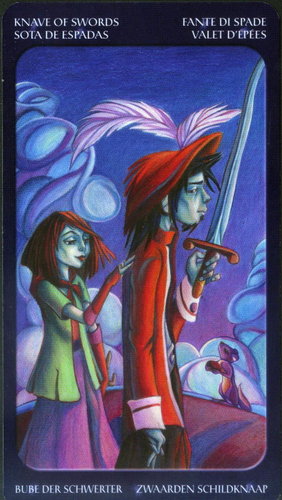
Each suit contains ten numbered cards (Ace through 10) and four court cards (Page, Knight, Queen, King), adding layers of nuance to readings. For example, the Three of Cups celebrates joy and camaraderie, while the Five of Swords warns of discord and betrayal. The court cards often represent people or personality traits—perhaps a Queen of Wands embodies a charismatic leader, while a Knight of Pentacles suggests diligence and reliability. By mastering the Minor Arcana, you gain a toolkit for navigating the complexities of modern life, from career decisions to personal relationships.
The suits also interact with one another in fascinating ways. A reading might reveal that a challenge in your career (Pentacles) is deeply tied to unresolved emotions (Cups), or that a burst of creativity (Wands) is being stifled by overthinking (Swords). This interplay highlights the tarot’s ability to weave together the threads of your life into a cohesive story.
Reversed Cards: When the Mirror Shows a Different Reflection
Tarot cards can appear upright or reversed, and reversals add a layer of complexity to readings. A reversed card doesn’t necessarily mean a negative outcome—instead, it often signals an internal or external blockage that needs attention. For example, the upright Eight of Cups suggests walking away from a stagnant situation, while its reversed counterpart might indicate hesitation or an inability to let go. Similarly, the upright Three of Swords speaks to heartache, but reversed, it could point to healing or the resolution of a painful chapter.
Reversals invite you to look beneath the surface, asking not just *what* is happening but *why*. They encourage introspection, revealing areas where you might be resisting change, ignoring your intuition, or clinging to outdated patterns. By embracing the messages of reversed cards, you transform potential obstacles into opportunities for growth.
Reading Tarot for Yourself: A Personal Dialogue with the Divine
Tarot is not a fortune-telling tool but a mirror that reflects your inner landscape. Reading for yourself requires courage, honesty, and a willingness to confront both light and shadow. Start by setting an intention—what question or situation do you want clarity on? Shuffle the deck while focusing on this question, then lay out the cards in a spread that resonates with you. The classic Celtic Cross is a popular choice, but simpler spreads like a three-card layout (past, present, future) can also be powerful.
As you interpret the cards, trust your intuition. Notice which images or symbols stand out, and how they make you feel. The tarot speaks in symbols, so pay attention to recurring themes or unexpected details. For example, if the Death card appears but you feel a sense of relief rather than dread, it might signal transformation rather than literal endings. Keep a journal to track your readings over time, observing patterns and tracking your personal growth.
Ethics are paramount in self-readings. Avoid asking questions that seek to control others or reveal hidden secrets—tarot is a tool for empowerment, not manipulation. Instead, frame your queries around your own path: “What do I need to know about my career right now?” or “How can I nurture my creativity?” The cards will respond with wisdom tailored to your journey.
Common Misconceptions and How to Avoid Them
Tarot is often shrouded in myths, from the idea that it predicts the future with absolute certainty to the belief that only psychics can read the cards. In reality, tarot is a tool for reflection, not prophecy. It doesn’t dictate your fate but illuminates possibilities, helping you make informed choices. Another misconception is that the tarot is inherently “dark” or “evil.” While some decks may feature gothic imagery, the tarot’s roots are in Renaissance Italy, where it was originally a game before evolving into a spiritual practice. The cards themselves are neutral; their power lies in how you engage with them.
Avoid relying solely on guidebooks or online interpretations. While they provide a foundation, your personal connection to the cards is what makes a reading meaningful. The same card can have different meanings for different people—what resonates with you is what matters. Lastly, don’t let fear of “getting it wrong” hold you back. Tarot is a practice, and like any skill, it improves with time and patience.
Conclusion: The Tarot as a Living Guide
The tarot is far more than a deck of cards—it’s a living guide, a companion on the journey of self-discovery. Whether you use it for daily reflection, deep introspection, or creative inspiration, the tarot offers a unique language to explore the human experience. By learning its symbols, embracing its complexities, and trusting your intuition, you unlock a tool that can illuminate your path, challenge your perceptions, and celebrate your growth.
Remember, the tarot doesn’t have all the answers—it asks the right questions. It doesn’t predict the future—it empowers you to shape it. As you continue your exploration, let the cards be a mirror, a teacher, and a friend, guiding you toward deeper understanding and authenticity. The journey has only just begun.
FAQ
What are tarot cards used for?
Tarot cards are primarily used for self-reflection, guidance, and decision-making, serving as a tool to explore personal insights and emotions.
What is the difference between Major Arcana and Minor Arcana?
The Major Arcana consists of 22 cards that represent significant life events or themes, while the Minor Arcana includes 56 cards that reflect everyday experiences and situations.
Can anyone read tarot cards?
Yes, anyone can learn to read tarot cards; it requires practice, intuition, and a personal connection to the symbols.
Leave a Reply