Short Answer
Embarking on a journey into the world of tarot is like opening a door to a realm where symbolism, intuition, and ancient wisdom converge. Whether you’re a seasoned practitioner or a curious newcomer, delving into the meanings of tarot cards offers more than just divination—it promises a profound shift in perspective. This guide will walk you through the essential aspects of understanding tarot card meanings, from foundational concepts to advanced interpretations. By the end, you’ll not only grasp the significance of each card but also learn how to weave their messages into your daily life for deeper insight and clarity.
What Are Tarot Cards and Why Do Their Meanings Matter?
Tarot cards are a deck of 78 symbolic cards used for divination, self-reflection, and spiritual guidance. Each card carries a unique meaning, often rooted in archetypal imagery that resonates with universal human experiences. The deck is divided into two main sections: the Major Arcana, which represents significant life themes and spiritual lessons, and the Minor Arcana, which mirrors everyday events and challenges. Understanding the meanings of these cards is crucial because they serve as a mirror, reflecting your inner thoughts, emotions, and subconscious patterns. By interpreting their messages, you gain clarity on your path, uncover hidden truths, and navigate life’s complexities with greater awareness.
The Structure of the Tarot Deck: Major vs. Minor Arcana
The tarot deck is meticulously organized to provide a comprehensive narrative of human experience. The Major Arcana consists of 22 cards, each representing a pivotal life lesson or spiritual awakening. These cards, such as The Fool, The Lovers, and Death, often signify transformative moments that shape your journey. In contrast, the Minor Arcana contains 56 cards divided into four suits—Cups, Pentacles, Swords, and Wands—each corresponding to different aspects of daily life. Cups relate to emotions and relationships, Pentacles to material wealth and practicality, Swords to intellect and conflict, and Wands to creativity and passion. Together, these cards create a rich tapestry of guidance, helping you decode the nuances of your experiences.
Decoding the Major Arcana: Archetypes of Transformation
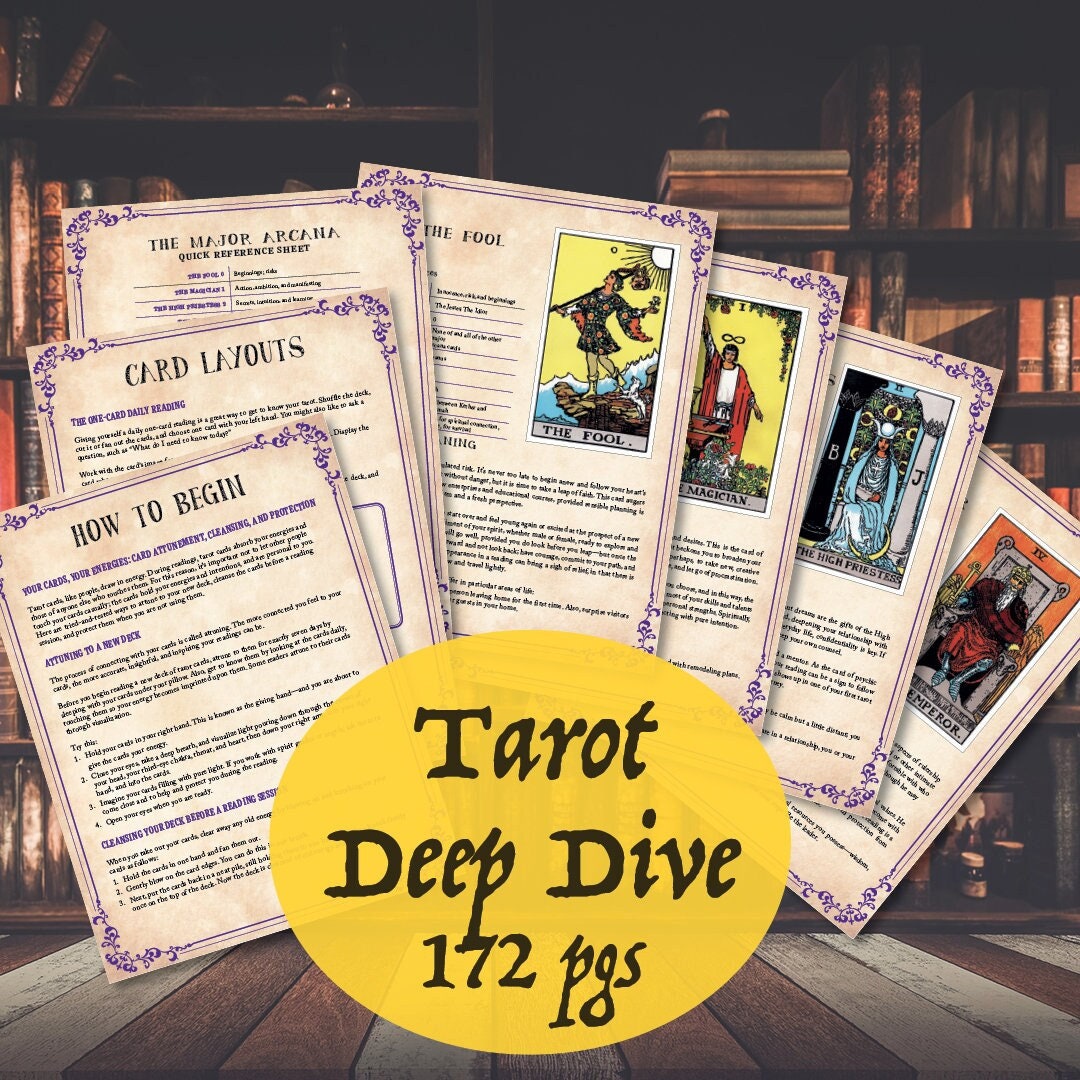
The Major Arcana cards are the heart of tarot’s storytelling power. Each card embodies an archetype—a universal symbol that transcends culture and time. For example, The Magician represents manifestation and resourcefulness, while The High Priestess symbolizes intuition and hidden knowledge. When these cards appear in a reading, they often signal a call to action or a need to embrace a particular aspect of your life. For instance, drawing The Tower might indicate a sudden upheaval, urging you to release old structures and embrace change. By familiarizing yourself with these archetypes, you unlock a deeper understanding of the forces shaping your destiny.
Navigating the Minor Arcana: The Language of Everyday Life
While the Major Arcana sets the stage for grand themes, the Minor Arcana speaks to the details of your daily existence. Each suit within the Minor Arcana carries its own energy and lessons. Cups, for example, are deeply connected to emotions, intuition, and relationships. Drawing the Three of Cups might suggest celebration, friendship, or emotional fulfillment, while the Five of Cups could indicate loss or regret. Similarly, Swords deal with thoughts, decisions, and conflicts. The Ace of Swords may herald a breakthrough in clarity, whereas the Ten of Swords could signal the end of a challenging cycle. By studying these cards, you learn to interpret the subtleties of your experiences, from joyous milestones to everyday struggles.
The Court Cards: Personalities and Energies in Motion
The Court Cards—Page, Knight, Queen, and King—are among the most dynamic in the tarot deck. They represent people, personalities, or energies that influence your life. For instance, the Queen of Wands embodies confidence, charisma, and leadership, while the Knight of Swords may signify impulsiveness or a drive for action. These cards can also reflect aspects of yourself, such as your strengths, weaknesses, or the roles you play in different situations. When a Court Card appears in a reading, it often invites you to consider how you or others are showing up in a particular context. Are you embodying the nurturing energy of the Queen of Cups, or perhaps the analytical mind of the King of Pentacles?
Reversed Cards: Uncovering Hidden Layers of Meaning
Tarot cards can appear upright or reversed, and each orientation offers distinct insights. Reversed cards often indicate blocked energy, internal resistance, or a need for introspection. For example, the Three of Pentacles reversed might suggest misalignment in your work or collaborations, while the Lovers reversed could point to disharmony in a relationship. However, reversed cards aren’t necessarily negative—they simply highlight areas that require attention or transformation. By exploring these nuances, you gain a more nuanced understanding of your circumstances and the steps needed to move forward.
Practical Tips for Deepening Your Tarot Understanding
Mastering tarot is a journey of patience and practice. Start by familiarizing yourself with the core meanings of each card, then observe how they interact in spreads. Journaling your readings can help you track patterns and deepen your intuition. Don’t shy away from using guidebooks or trusted online resources, but also trust your own interpretations—tarot is as much about personal insight as it is about traditional meanings. Experiment with different spreads, such as the Celtic Cross or a simple three-card layout, to explore various aspects of a question or situation. Over time, you’ll develop a unique relationship with the cards, allowing their messages to resonate more profoundly.
Applying Tarot Meanings to Real-Life Scenarios
The true power of tarot lies in its ability to illuminate your path. For instance, if you’re facing a career decision, pulling the Eight of Pentacles might encourage you to focus on skill-building and dedication. If a relationship feels stagnant, the Two of Cups could remind you of the importance of mutual respect and connection. By integrating tarot into your decision-making process, you cultivate a deeper awareness of your choices and their potential outcomes. Remember, tarot isn’t about predicting the future—it’s about empowering you to navigate it with wisdom and intention.
Conclusion
Understanding the meanings of tarot cards is a gateway to self-discovery, clarity, and transformation. Whether you’re drawn to the archetypal wisdom of the Major Arcana or the everyday lessons of the Minor Arcana, each card offers a piece of the puzzle that is your life. By embracing the language of tarot, you open yourself to new perspectives, deeper intuition, and a greater sense of purpose. Let the cards be your guide as you explore the depths of your inner world and the possibilities that lie ahead. The journey is yours to unfold—one card at a time.
FAQ
What are tarot cards?
Tarot cards are a deck of 78 symbolic cards used for divination, self-reflection, and spiritual guidance.
How do I interpret tarot card meanings?
Understanding tarot card meanings involves recognizing the symbolism of each card, the context of the reading, and your intuition.
What is the difference between Major and Minor Arcana?
The Major Arcana comprises 22 cards representing significant life themes, while the Minor Arcana consists of 56 cards that reflect everyday events.
Leave a Reply