Short Answer
In this comprehensive guide, you’ll explore the intriguing metaphor of the Upside Down V Victory in the context of war, its symbolic ties to blood and vigilance, and how it transcends mere military triumph to embody deeper cultural and psychological meanings. From historical roots to modern interpretations, this symbol’s unique appeal lies in its ability to evoke both reverence and unease, challenging conventional notions of victory and sacrifice. By the end, you’ll understand why this inverted emblem resonates across time and disciplines, leaving an indelible mark on collective consciousness.
The Origins of the Upside Down V Symbol
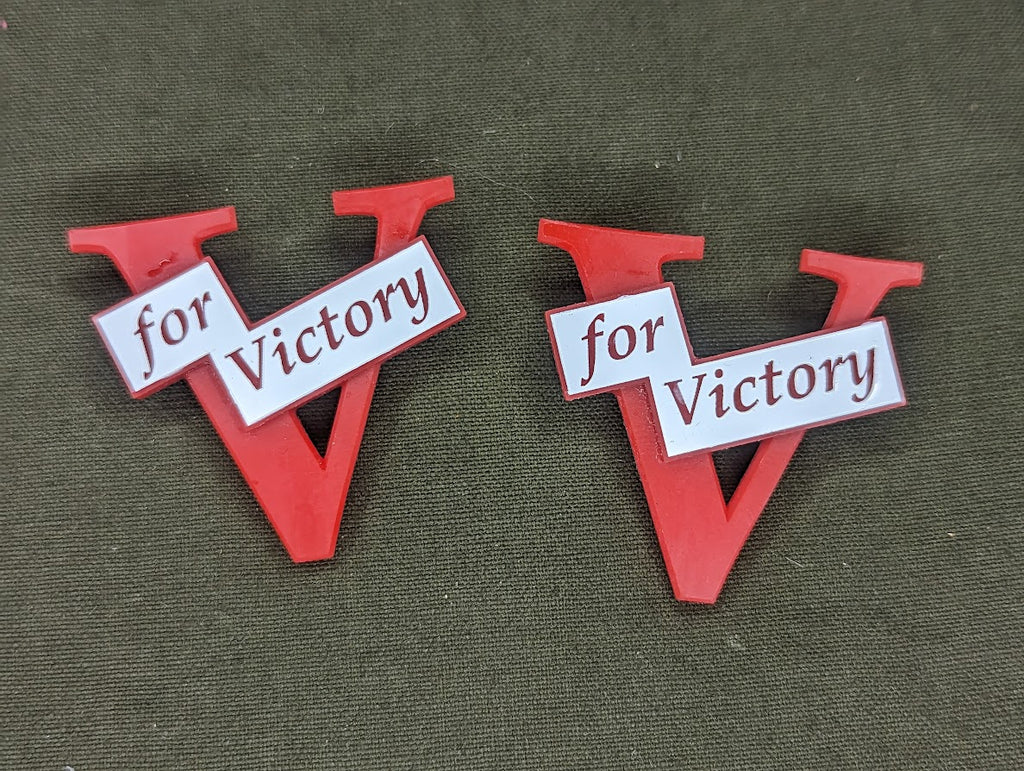
The Upside Down V, when inverted from its traditional upright form, transforms into a symbol rich with subversive potential. Historically, the letter “V” has been synonymous with victory, popularized during World War II through campaigns like the “V for Victory” sign championed by Winston Churchill. However, when flipped, the symbol takes on a new dimension—one that disrupts expectations and invites reinterpretation. This inversion can signify a victory achieved through unconventional means, a reversal of fortune, or even a critique of traditional power structures. In military contexts, it may represent a hard-won triumph that came at a severe cost, where bloodshed and vigilance were the price of survival.
Culturally, the Upside Down V has been adopted in various movements to challenge authority or question the narratives of conquest. Its ambiguity allows it to serve as both a rallying cry and a cautionary tale, making it a potent tool for those who seek to redefine what victory truly means. Whether in propaganda, art, or protest, the symbol’s inverted form forces observers to pause and reconsider the stories they’ve been told about war and triumph.
Upside Down V in War: A Metaphor for Sacrifice and Vigilance
In the theater of war, the Upside Down V often emerges as a metaphor for the duality of victory and loss. Unlike the triumphant “V,” which suggests unalloyed success, the inverted version acknowledges the shadows that accompany achievement. It speaks to the blood spilled on battlefields, the vigilance required to maintain hard-won peace, and the psychological toll exacted from those who fight. This symbolism is particularly poignant in contexts where victory was pyrrhic—where the cost of winning was so high that it bordered on defeat.
Consider the aftermath of major conflicts, where nations celebrate triumph but grapple with the memories of fallen soldiers. The Upside Down V encapsulates this tension, serving as a reminder that victory is not a clean slate but a complex legacy. It also underscores the importance of vigilance, as the peace achieved through war is often fragile and requires constant protection. In this way, the symbol becomes a call to action, urging societies to remain alert to the threats that could unravel their hard-won stability.

The Psychological and Spiritual Dimensions of the Inverted V
Beyond its military connotations, the Upside Down V holds profound psychological and spiritual significance. In many traditions, the inverted triangle or “V” is associated with the feminine divine, the womb, or the chalice—symbols of receptivity, intuition, and the subconscious. When applied to the concept of victory, this interpretation suggests a triumph that is not about domination but about transformation and renewal. It implies a victory that is internal, spiritual, or communal, rather than external and material.
In psychological terms, the Upside Down V can represent the shadow self—the aspects of our nature that we suppress or overlook in the pursuit of success. A victory achieved through the suppression of these shadows may feel hollow, while one that embraces them could lead to true growth. This duality makes the symbol a powerful tool for introspection, encouraging individuals to examine the deeper motivations behind their struggles and achievements. In spiritual practices, the inverted “V” often appears in meditative art or sacred geometry, where it serves as a focal point for contemplation on the nature of existence and the cycles of life and death.
Upside Down V in Modern Culture: Art, Protest, and Subversion
In contemporary culture, the Upside Down V has been repurposed as a symbol of resistance and subversion. Artists, activists, and musicians have adopted it to challenge oppressive systems, question the status quo, and redefine what victory means in a modern context. For example, in street art and graffiti, the inverted “V” often appears alongside slogans that critique war, capitalism, or social injustice, transforming it into a visual shorthand for dissent.
In music, the symbol has been used in album covers, logos, and lyrics to evoke themes of rebellion and resilience. Bands and performers may use it to signal their rejection of conventional narratives of success, instead championing victories that are personal, collective, or even metaphorical. This adaptability ensures that the Upside Down V remains relevant across generations, resonating with those who seek to redefine triumph on their own terms.
The Unique Appeal of the Upside Down V: Why It Endures
The enduring appeal of the Upside Down V lies in its versatility and its ability to provoke thought. Unlike static symbols that convey a single, unambiguous message, the inverted “V” thrives on ambiguity, inviting multiple interpretations. This quality makes it a powerful tool for storytelling, whether in literature, film, or visual art, where it can represent the complexity of human experience. It also resonates with those who feel that traditional definitions of victory are too narrow or exclusionary, offering an alternative lens through which to view success.
Moreover, the symbol’s visual simplicity ensures its accessibility. A single stroke can convey volumes, making it easy to reproduce and adapt across different mediums. This simplicity also allows it to transcend language and cultural barriers, speaking to universal themes of struggle, resilience, and transformation. Whether used in a historical context to commemorate a war’s end or in a modern protest to challenge systemic injustice, the Upside Down V remains a potent emblem of the human spirit’s capacity to endure and evolve.
Conclusion
The Upside Down V is far more than a mere inversion of a letter; it is a symbol that encapsulates the paradoxes of victory, the weight of sacrifice, and the necessity of vigilance. From its historical roots in wartime propaganda to its modern-day use in art and protest, it challenges us to look beyond surface-level triumphs and consider the deeper, often darker, realities that accompany them. Whether viewed through the lens of war, psychology, or spirituality, the inverted “V” serves as a reminder that victory is not a destination but a journey—one that demands reflection, resilience, and a willingness to confront the shadows of our past and present.
FAQ
What does the Upside Down V symbolize?
The Upside Down V symbolizes a complex interpretation of victory, often associated with sacrifice, bloodshed, and vigilance, challenging conventional notions of success.
How is the Upside Down V used in modern culture?
In modern culture, the Upside Down V is used as a symbol of resistance and subversion in art, music, and protests, challenging oppressive systems.
Leave a Reply