Short Answer
Welcome to a fascinating journey where the raw power of Earth’s fiery giants meets the mystical allure of Louisiana’s spiritual traditions. In this guide, you’ll uncover the explosive history of volcanoes and the enchanting lore of New Orleans’ voodoo culture. Discover how these two seemingly unrelated forces—one natural, one cultural—intertwine to create stories that have shaped regions and captivated imaginations for centuries. Whether you’re drawn to the science behind volcanic eruptions or the rituals of voodoo practitioners, this exploration promises insights that will leave you questioning reality and eager to dive deeper.
The Fiery Heart of the Earth: Understanding Volcanoes
Volcanoes are nature’s dramatic way of reminding us that beneath our feet lies a world of molten rock and unimaginable heat. These geological wonders form where tectonic plates collide, pull apart, or slide past one another, creating openings in the Earth’s crust. When pressure builds up, volcanoes erupt, spewing lava, ash, and gases that can reshape landscapes in hours. But not all volcanoes are the same—some are gentle giants, like those in Hawaii, while others, like Mount St. Helens, are explosive and destructive. The Pacific Ring of Fire, a horseshoe-shaped zone encircling the Pacific Ocean, is home to about 75% of the world’s active volcanoes. Here, the Earth’s energy is on full display, from the smoldering craters of Indonesia to the snow-capped peaks of the Andes. What if you could stand at the edge of a live volcano? Would you dare to witness its raw power up close, or would the heat and danger keep you at a safe distance?
Volcanic activity isn’t just about destruction; it also creates new land and enriches the soil with minerals, making regions like Iceland and Italy some of the most fertile in the world. The minerals released during eruptions contribute to the growth of lush forests and vibrant ecosystems. Yet, the unpredictability of volcanoes makes them both a blessing and a curse. Scientists study these fiery behemoths to predict eruptions and protect nearby communities, but the challenge remains: can humanity ever truly tame the power of a volcano, or will we always be at its mercy?
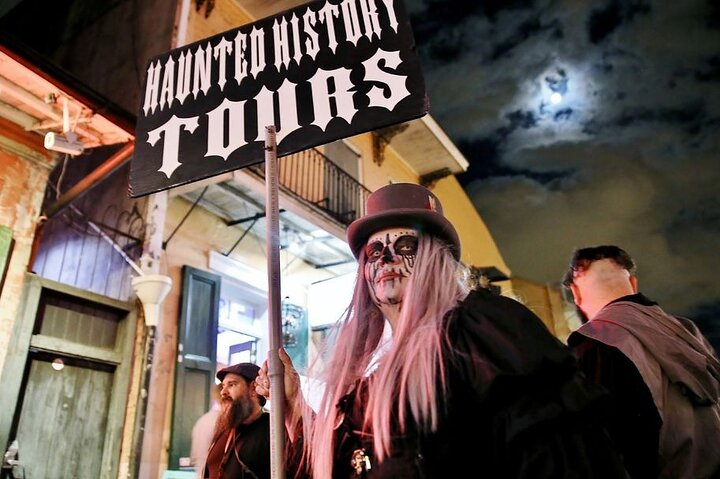
New Orleans: A City Steeped in Voodoo Mysticism
New Orleans is a city where history and mystery collide, and at the heart of its enigmatic allure lies the practice of voodoo. Born from the blending of West African spiritual traditions, French Catholicism, and Native American beliefs, voodoo in New Orleans is more than just folklore—it’s a living, breathing culture. The city’s voodoo heritage traces back to the 18th century when enslaved Africans brought their spiritual practices to Louisiana. Over time, these traditions evolved, incorporating elements of Catholicism and local customs to create a unique form of mysticism. Marie Laveau, the most famous voodoo queen of New Orleans, became a legendary figure in the 19th century. Her tomb in St. Louis Cemetery No. 1 is still a pilgrimage site for those seeking blessings or guidance. But what draws people to voodoo today? Is it the allure of the unknown, the promise of protection, or the thrill of connecting with something beyond the ordinary?
Voodoo in New Orleans isn’t just about curses and hexes—it’s also a practice of healing, empowerment, and community. Practitioners, known as voodooists or spiritual workers, use herbs, rituals, and charms to address life’s challenges, from love and prosperity to protection and justice. The city’s voodoo shops, like the historic Marie Laveau’s House of Voodoo, offer a glimpse into this world, selling gris-gris bags, candles, and potions. Yet, voodoo remains shrouded in misconceptions, often sensationalized by pop culture. The real magic lies in its ability to provide comfort and a sense of control in a world that often feels chaotic. Imagine walking through the French Quarter at night, the air thick with the scent of magnolias and the distant sound of jazz, and feeling the weight of centuries-old traditions whispering in the breeze.

The Unlikely Connection: Volcanoes and Voodoo
At first glance, volcanoes and voodoo seem worlds apart—one a force of nature, the other a cultural phenomenon. Yet, both share a common thread: they are deeply tied to the idea of power and transformation. In many cultures, volcanoes are seen as sacred or divine, embodying the wrath and benevolence of gods. The ancient Romans worshipped Vulcan, the god of fire and volcanoes, while the Hawaiians revere Pele, the goddess of fire and volcanoes, whose fiery temper shapes the islands. Similarly, voodoo practitioners often invoke spirits, or loa, to harness natural forces for their purposes. Could there be a connection between the raw energy of a volcano and the spiritual energy of voodoo rituals? Perhaps both serve as reminders of the untamed forces that exist in the world—and within ourselves.
New Orleans itself is no stranger to the power of transformation. Built on a swampy delta, the city has risen from floods, fires, and hurricanes, much like a phoenix from the ashes. Its resilience mirrors the cyclical nature of volcanic activity, where destruction paves the way for renewal. The city’s voodoo traditions also reflect this theme of rebirth, with rituals designed to cleanse, heal, and renew. Whether it’s the fiery eruptions of the Earth or the spiritual rituals of voodoo, both forces challenge us to confront the unpredictable and find meaning in the chaos. What if the key to understanding one lies in embracing the other? Could the energy of a volcano be channeled through voodoo rituals, or is this just a fanciful idea born from a love of the mysterious?
Exploring the Legends: Myths and Realities
The world of volcanoes and voodoo is rich with legends, but separating fact from fiction can be a challenge. Volcanoes have inspired myths across cultures, from the Greek tale of Hephaestus forging weapons in the fires of Mount Etna to the Māori legend of Ngātoroirangi, who brought fire from Hawaiki to New Zealand. These stories often serve as cautionary tales, warning of the dangers of tampering with nature’s forces. Similarly, voodoo is often misunderstood, with Hollywood portraying it as a dark art of curses and zombies. In reality, voodoo is a complex spiritual practice that emphasizes balance, healing, and community. The real mystery lies in how these two worlds—one of science and one of spirituality—can coexist and even complement each other.
One intriguing legend from New Orleans involves the use of volcanic ash in voodoo rituals. Some practitioners believe that ash from distant eruptions can enhance the power of their spells, drawing on the raw energy of the Earth to amplify their intentions. While there’s no scientific evidence to support this claim, the idea speaks to the human desire to connect with the natural world in meaningful ways. Another fascinating tale comes from the Caribbean, where slaves were said to have used volcanic soil to create protective charms, blending African traditions with the resources at hand. These stories highlight the ingenuity and resilience of those who practiced voodoo, turning adversity into art and ritual. But how much of these legends is rooted in truth, and how much is embellished over time? The line between myth and reality blurs, leaving us to wonder: what other secrets lie hidden in the shadows of history?
A Journey Through Time: Historical Encounters
The history of volcanoes and voodoo is a tapestry woven with threads of exploration, colonization, and cultural exchange. When European settlers arrived in the Americas, they encountered both the raw power of volcanoes and the deep spiritual traditions of indigenous peoples. In Louisiana, the French colonists were both fascinated and frightened by the voodoo practices they encountered. They attempted to suppress these traditions, but voodoo persisted, adapting and evolving in secret. Meanwhile, volcanoes like Mount Pelée in Martinique and Popocatépetl in Mexico became symbols of both destruction and renewal, shaping the lives of those who lived in their shadows. The resilience of these communities in the face of natural disasters and cultural oppression is a testament to the human spirit’s ability to endure.
One of the most dramatic historical encounters between these two forces occurred in 1902, when Mount Pelée erupted, devastating the city of St. Pierre in Martinique. The eruption killed nearly 30,000 people in minutes, but it also became a turning point in the study of volcanology. Scientists began to understand the warning signs of eruptions, saving countless lives in the future. Similarly, the story of Marie Laveau and her voodoo legacy became a symbol of resistance and empowerment for the enslaved and marginalized communities of New Orleans. Her influence extended beyond the spiritual realm, as she was known to use her knowledge to help those in need, regardless of race or status. These historical moments remind us that both volcanoes and voodoo are forces that shape not just landscapes, but also the course of human history.
Modern Mysteries: Can Science and Spirituality Coexist?
In today’s world, science and spirituality often find themselves at odds, but the study of volcanoes and voodoo offers a unique opportunity to explore how these two realms can intersect. Volcanologists use cutting-edge technology to monitor volcanic activity, predicting eruptions with increasing accuracy. Meanwhile, voodoo practitioners continue to preserve and adapt their traditions, ensuring that the wisdom of the past is not lost. Could there be a middle ground where science acknowledges the spiritual significance of natural phenomena, and spirituality embraces the scientific understanding of the world? Some researchers are already exploring this intersection, studying the psychological and cultural impacts of natural disasters and spiritual practices on communities.
The challenge lies in bridging the gap between empirical evidence and personal belief. For example, while scientists can explain the chemical processes behind a volcanic eruption, they may struggle to address the emotional and spiritual responses it evokes in those who witness it. Similarly, voodoo practitioners may find it difficult to reconcile their rituals with modern scientific explanations. Yet, both perspectives offer valuable insights into the human experience. The key may lie in recognizing that science and spirituality are not mutually exclusive but rather complementary ways of understanding the world. What if the next great discovery in volcanology or the next breakthrough in voodoo tradition comes from someone who embraces both ways of knowing?
Conclusion
The worlds of volcanoes and voodoo are as vast and complex as the forces that shape them. From the smoldering craters of active volcanoes to the hidden altars of New Orleans’ voodoo practitioners, these phenomena challenge us to look beyond the surface and explore the deeper connections that bind us to the Earth and to each other. Whether you’re drawn to the science of volcanic eruptions or the mysticism of voodoo rituals, one thing is certain: these forces have the power to inspire awe, curiosity, and even fear. They remind us that the world is not just a place of order and predictability but also one of mystery and magic. So, the next time you find yourself standing at the edge of a volcano or wandering the streets of the French Quarter, ask yourself: what secrets does the Earth hold, and what wisdom can we uncover by listening to its whispers?
FAQ
What is the connection between volcanoes and voodoo?
Both share themes of power and transformation, reflecting natural and cultural forces.
How does voodoo practice incorporate elements of nature?
Voodoo rituals often invoke spirits to harness natural forces, similar to the reverence for volcanoes in various cultures.

Leave a Reply