Short Answer
Welcome to an in-depth exploration of The Enchantress—a film that transcends time and genre, weaving a tapestry of mystery, romance, and psychological depth. In this guide, we’ll dissect its intriguing metaphors, uncover its unique appeal, and examine why it remains a standout in cinematic history. Whether you’re a cinephile, a lover of metaphorical storytelling, or simply curious about films that defy convention, this article will illuminate the layers beneath the surface. By the end, you’ll see why The Enchantress is more than just a movie—it’s an experience.
The Enchantress: A Metaphorical Masterpiece
The Enchantress is a film that thrives on metaphor, using its narrative and visuals to explore themes of power, desire, and transformation. At its core, the enchantress herself is a metaphor for the allure of the unknown and the dangers of unchecked ambition. Her presence in the story is not merely as a character but as a force that disrupts the status quo, challenging societal norms and personal boundaries. The film’s use of symbolism—such as mirrors, water, and shadows—serves as a visual language that deepens the audience’s understanding of the protagonist’s internal struggles. For instance, the recurring motif of water often represents both purification and destruction, reflecting the duality of the enchantress’s nature. This layering of meaning invites viewers to engage with the film on multiple levels, making it a rich subject for analysis and discussion.
Visual Storytelling: The Art of the Enchantress
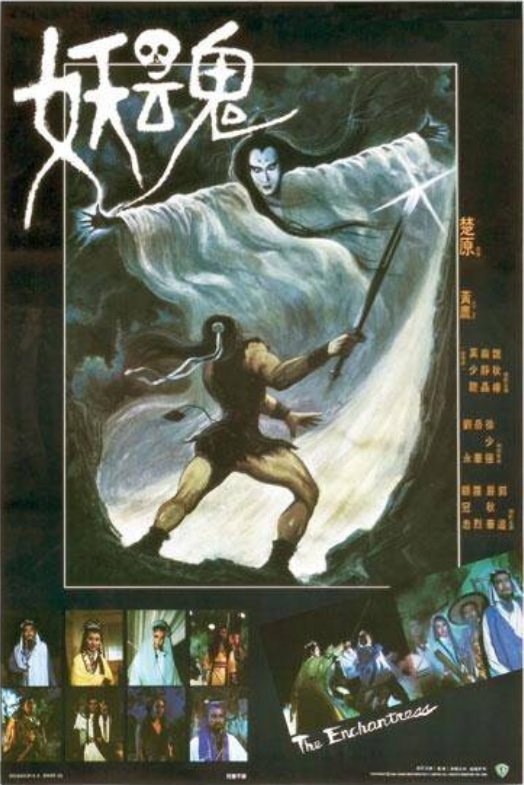
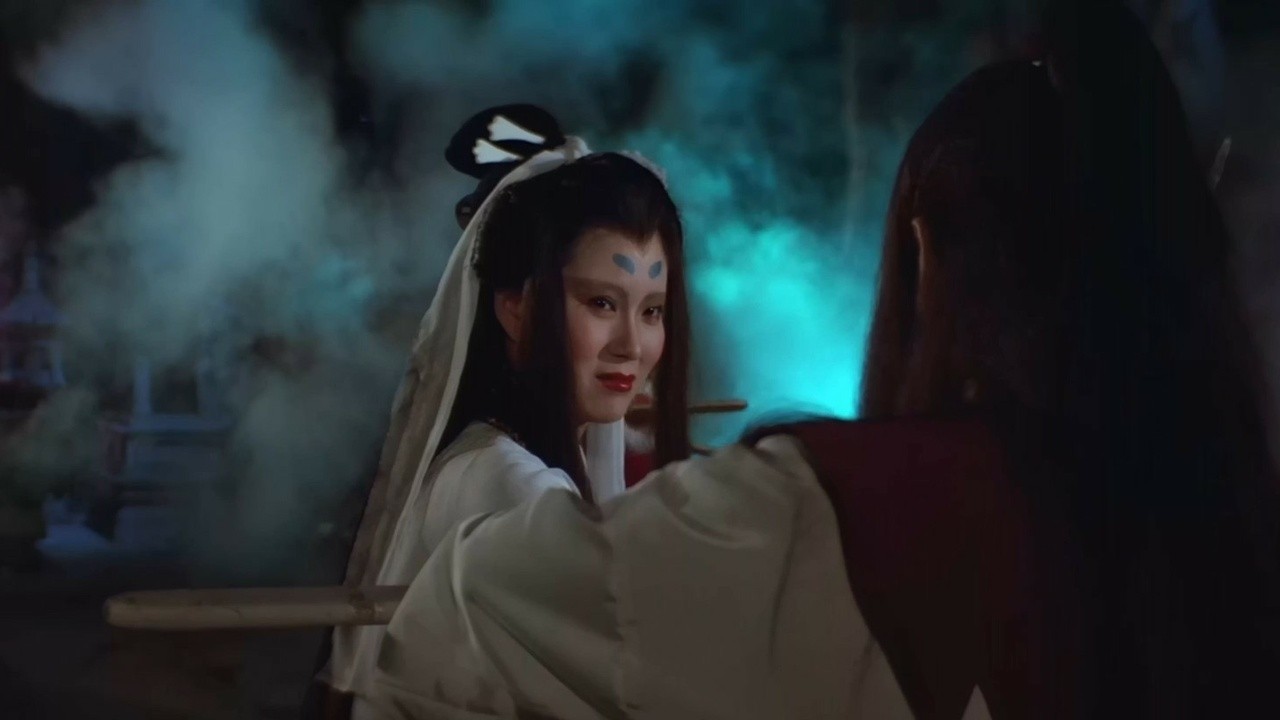
The visual appeal of The Enchantress is undeniable, with cinematography that elevates the film from a simple story to a work of art. The use of lighting, color palettes, and framing creates a dreamlike atmosphere that blurs the line between reality and fantasy. Dark, moody tones dominate many scenes, emphasizing the film’s gothic undertones, while bursts of vibrant color—such as the red of a flowing dress or the gold of a sunset—highlight moments of passion or revelation. The camera work is equally deliberate, often employing close-ups to capture the intensity of the characters’ emotions or wide shots to emphasize their isolation within vast, oppressive landscapes. These visual choices are not merely aesthetic; they serve to reinforce the film’s themes, making the enchantress’s world feel both enticing and treacherous.
Narrative Complexity: A Tale of Duality
What sets The Enchantress apart is its narrative complexity, which refuses to simplify its characters or plot. The protagonist is neither purely good nor evil; instead, she embodies the contradictions of human nature. This duality is mirrored in the film’s structure, which often juxtaposes scenes of beauty with moments of horror, or love with betrayal. The story’s nonlinear elements further enhance this complexity, as flashbacks and dream sequences reveal hidden motivations and unresolved traumas. Such storytelling techniques ensure that the audience remains engaged, constantly questioning and re-evaluating their perceptions of the characters and their actions. The result is a film that feels alive, evolving with each viewing as new details and interpretations come to light.
The Enchantress and the Power of Desire
At the heart of The Enchantress lies the theme of desire—its intoxicating pull and its destructive potential. The enchantress herself is a manifestation of desire, whether it be for love, power, or knowledge. Her relationships with other characters are fraught with tension, as they grapple with their own wants and the consequences of pursuing them. The film explores how desire can be both a driving force and a trap, leading characters to make choices that ultimately isolate or consume them. This theme is universal, resonating with anyone who has ever been driven by passion or ambition. By framing desire as both a blessing and a curse, The Enchantress offers a nuanced commentary on human nature, one that is as relevant today as it was when the film was made.
Cultural Impact and Legacy
Since its release, The Enchantress has left an indelible mark on cinema, influencing countless films and artists. Its blend of gothic romance, psychological depth, and metaphorical storytelling has inspired generations of filmmakers to push the boundaries of their craft. The film’s themes of female agency, moral ambiguity, and the supernatural have become staples in modern storytelling, appearing in everything from indie films to blockbuster franchises. Additionally, The Enchantress has sparked discussions about the representation of women in film, particularly those who defy traditional roles. Its legacy is not just in its aesthetics but in its ability to challenge and provoke thought, ensuring its place in the pantheon of great cinematic works.
Why The Enchantress Resonates Today
In an era where storytelling often prioritizes simplicity and instant gratification, The Enchantress stands out for its willingness to embrace complexity and ambiguity. Its themes of desire, power, and transformation are timeless, speaking to universal human experiences that transcend cultural and temporal boundaries. The film’s rich symbolism and layered narrative invite repeated viewings, each time revealing new insights and interpretations. For modern audiences, The Enchantress is a reminder of the power of cinema to challenge, enchant, and provoke thought. It is a film that doesn’t just entertain but also lingers in the mind, leaving an impression that is as haunting as it is beautiful.
Conclusion
The Enchantress is more than a film; it is a journey into the depths of human nature, wrapped in a cloak of mystery and metaphor. Its unique appeal lies in its ability to balance beauty with darkness, desire with destruction, and reality with fantasy. Through its stunning visuals, complex narrative, and timeless themes, it continues to captivate and inspire. Whether you’re drawn to its gothic aesthetics, its psychological depth, or its exploration of desire, The Enchantress offers something for everyone. It is a testament to the power of cinema to transcend its medium and become a mirror to the human soul. As you revisit this film or experience it for the first time, allow yourself to be enchanted—just as its characters are—and discover the magic that lies beneath the surface.
FAQ
What is 'The Enchantress' about?
It is a film that explores themes of desire, power, and transformation through metaphorical storytelling.
Why is 'The Enchantress' significant?
It has influenced cinema with its blend of gothic romance and psychological depth, challenging traditional storytelling.
Leave a Reply