Short Answer
Welcome to a deep dive into the enigmatic world of spade cards—a symbol that transcends its humble origins in a deck of playing cards to become a powerful metaphor for fate, danger, and transformation. In this guide, you’ll explore the multifaceted symbolism of spades, their cultural significance, and the intriguing ways they’ve been represented in art, literature, and popular culture. Whether you’re a tarot enthusiast, a card game player, or simply someone drawn to the mystique of symbols, this exploration will reveal why the spade holds a unique and captivating appeal.
The Spade as a Symbol: More Than Just a Card
The spade, one of the four suits in a standard deck of playing cards, is often overshadowed by its more glamorous counterparts—hearts, diamonds, and clubs. Yet, it carries a weight of meaning that sets it apart. Traditionally, spades are associated with the element of air, intellect, and the mind, but they also embody darker, more ominous connotations. In many cultures, the spade represents death, the unknown, and the inevitability of fate. This duality—between intellect and mortality—makes the spade a compelling symbol that resonates across various contexts.
In playing card divination, the spade is often linked to challenges, obstacles, and the need for strategic thinking. Unlike the more straightforward associations of hearts with love or diamonds with wealth, spades demand a deeper interpretation. They force us to confront the less pleasant aspects of life—loss, betrayal, and the passage of time—while also offering the tools to navigate these challenges. This paradox is what makes the spade so intriguing: it is both a warning and a guide.
Historical and Cultural Significance of Spades
The spade’s symbolism can be traced back to medieval Europe, where playing cards were first introduced. The suit of spades, originally called “pikes” or “swords,” was associated with the nobility and the military, reflecting the power and authority of the ruling class. Over time, the spade evolved to represent the lower classes and the common folk, symbolizing labor, struggle, and the harsh realities of life. This shift in meaning highlights the spade’s versatility as a symbol that can adapt to different social and cultural contexts.
In tarot, the spade is not a direct counterpart to the playing card suit, but its themes of struggle and transformation are echoed in cards like the Tower and the Ten of Swords. These tarot cards often depict scenes of upheaval and endings, reinforcing the spade’s association with disruption and change. Similarly, in folklore and superstition, spades are sometimes seen as omens of bad luck or misfortune, further cementing their reputation as a symbol of warning.
In modern times, the spade has found its way into various forms of media, from literature to film. It often appears as a motif in stories that explore themes of mystery, danger, and the supernatural. For example, in detective novels, a spade might symbolize the uncovering of hidden truths, while in horror stories, it could represent an impending doom. This enduring presence in storytelling underscores the spade’s ability to evoke a sense of unease and anticipation.
The Spade in Art and Visual Culture
Artists have long been drawn to the spade as a subject, using it to convey a range of emotions and ideas. One striking example is the use of spades in surreal and abstract art, where they serve as metaphors for the subconscious mind or the hidden layers of reality. The image of a spade burning with fire, for instance, can symbolize destruction and rebirth, while a spade shrouded in smoke might evoke a sense of mystery and intrigue.
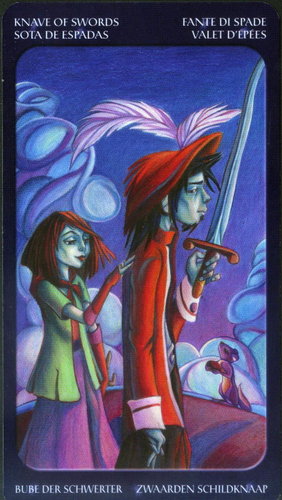
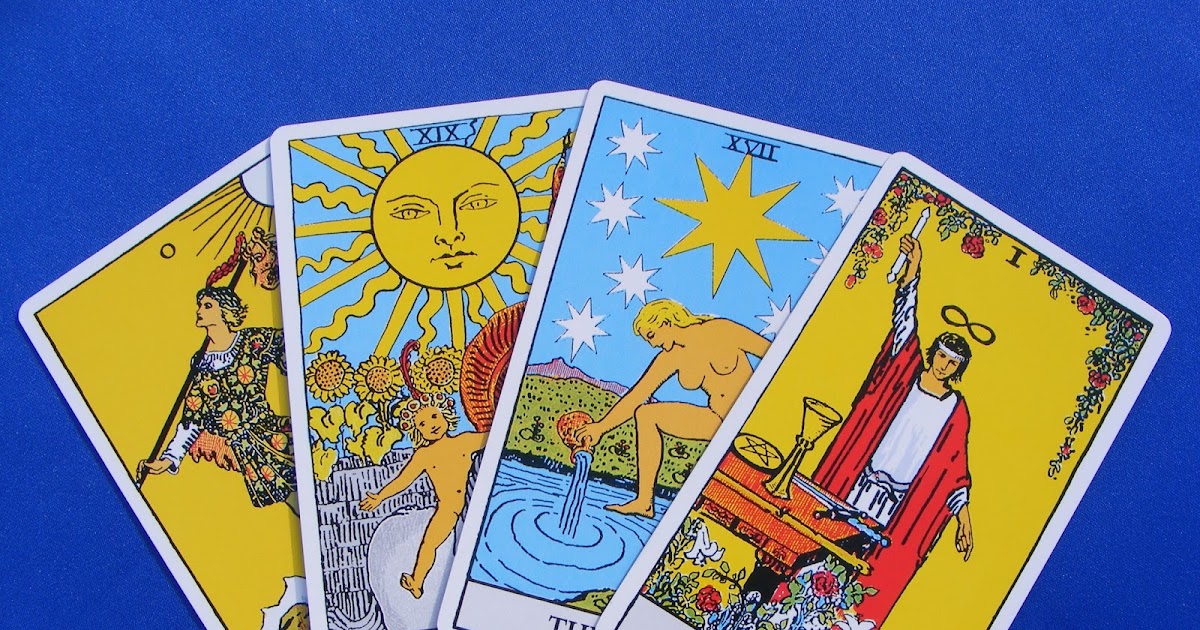
In the provided images, we see the spade depicted in different ways that highlight its symbolic depth. The first image shows a classic illustration of a spade card, emphasizing its role in games and divination. The second image presents a dramatic scene of a spade engulfed in fire, suggesting themes of transformation and purification. The third image, a GIF of a burning spade, adds a dynamic element, capturing the fleeting nature of life and the inevitability of change. These visual representations underscore the spade’s ability to convey complex ideas through simple yet powerful imagery.
Photography and digital art have also embraced the spade as a subject, often using it to explore themes of power, control, and the passage of time. For example, a photograph of a spade lying on a bed of fallen leaves might symbolize the end of a cycle, while a digital rendering of a spade floating in a surreal landscape could represent the intersection of reality and fantasy. These artistic interpretations demonstrate the spade’s enduring appeal as a symbol that can be endlessly reimagined.
The Spade in Literature and Storytelling
Literature has long used the spade as a metaphor for the darker aspects of human experience. In Shakespeare’s plays, for instance, spades are often mentioned in the context of death and burial, reinforcing their association with mortality. Similarly, in modern literature, the spade can appear as a symbol of hidden truths or repressed emotions, forcing characters to confront their deepest fears and desires.
One notable example is the use of spades in detective fiction, where they often represent the uncovering of secrets. A detective might use a spade to dig up evidence, symbolizing the act of revealing what has been buried or hidden. This metaphor extends beyond the literal to the psychological, as characters are forced to confront their own buried traumas and regrets. The spade, in this context, becomes a tool for both destruction and revelation.
In poetry, the spade can serve as a powerful metaphor for labor, struggle, and the passage of time. Poets like T.S. Eliot and Sylvia Plath have used the image of the spade to explore themes of existential dread and the human condition. The act of digging with a spade can symbolize the search for meaning in a chaotic world, while the spade itself can represent the tools we use to navigate life’s challenges.
The Spade in Games and Divination
In the world of games, the spade holds a unique place. In traditional card games like Bridge or Poker, the spade suit is often seen as the most challenging, requiring strategic thinking and careful planning. Players who draw spades must often adapt their strategies to overcome the obstacles represented by the suit. This aspect of the spade—its association with challenge and strategy—extends to other games as well, such as the board game Clue, where the spade symbolizes the weapon used in a murder mystery.
In divination practices like cartomancy, the spade is a card that demands attention. When drawn in a reading, it can signal a need for caution, a warning of impending difficulties, or a call to confront one’s fears. Unlike the more positive associations of hearts or diamonds, spades force the querent to engage with the less pleasant aspects of their life, offering an opportunity for growth and transformation. This dual role—as both a warning and a guide—makes the spade a powerful tool in divination.
The spade’s presence in games and divination underscores its role as a symbol of resilience and adaptability. Whether in a high-stakes card game or a personal tarot reading, the spade challenges us to face our fears and embrace change. It reminds us that even in the darkest moments, there is an opportunity for growth and renewal.
Conclusion
The spade is far more than just a suit in a deck of playing cards—it is a symbol that encapsulates the complexities of life, from struggle and transformation to warning and rebirth. Its historical and cultural significance, its presence in art and literature, and its role in games and divination all contribute to its enduring appeal. Whether you encounter the spade in a game of cards, a piece of art, or a moment of personal reflection, it serves as a reminder of the dualities that define human existence: light and dark, challenge and opportunity, destruction and renewal.
As you navigate the world of spades, remember that their power lies not just in their ominous associations, but in their ability to guide us through the unknown. They are a warning, yes, but also a tool—a spade that can dig us out of the depths or plant the seeds of a new beginning. Embrace the mystery of the spade, and let it inspire you to confront the challenges of life with courage and wisdom.
FAQ
What does the spade symbolize in tarot?
In tarot, spades represent challenges, obstacles, and the need for strategic thinking, often linked to cards depicting upheaval and endings.
How are spades represented in literature?
Spades are frequently used as metaphors for mortality, hidden truths, and the darker aspects of human experience.

Leave a Reply