Short Answer
The Hanged Man is one of the most enigmatic cards in the Tarot deck, often sparking debate among seekers and practitioners alike. Is it a call for sacrifice, a symbol of spiritual surrender, or merely a sign of stagnation and delay? In this comprehensive guide, we’ll explore the dual nature of The Hanged Man, dissecting its symbolism, interpretations across different contexts, and practical advice for those who encounter this card in a reading. Whether you’re a seasoned Tarot reader or a curious beginner, this article will equip you with the knowledge to understand The Hanged Man’s deeper message—whether it’s urging you to pause, reflect, or make a deliberate sacrifice for growth.
The Symbolism of The Hanged Man: A Deeper Look
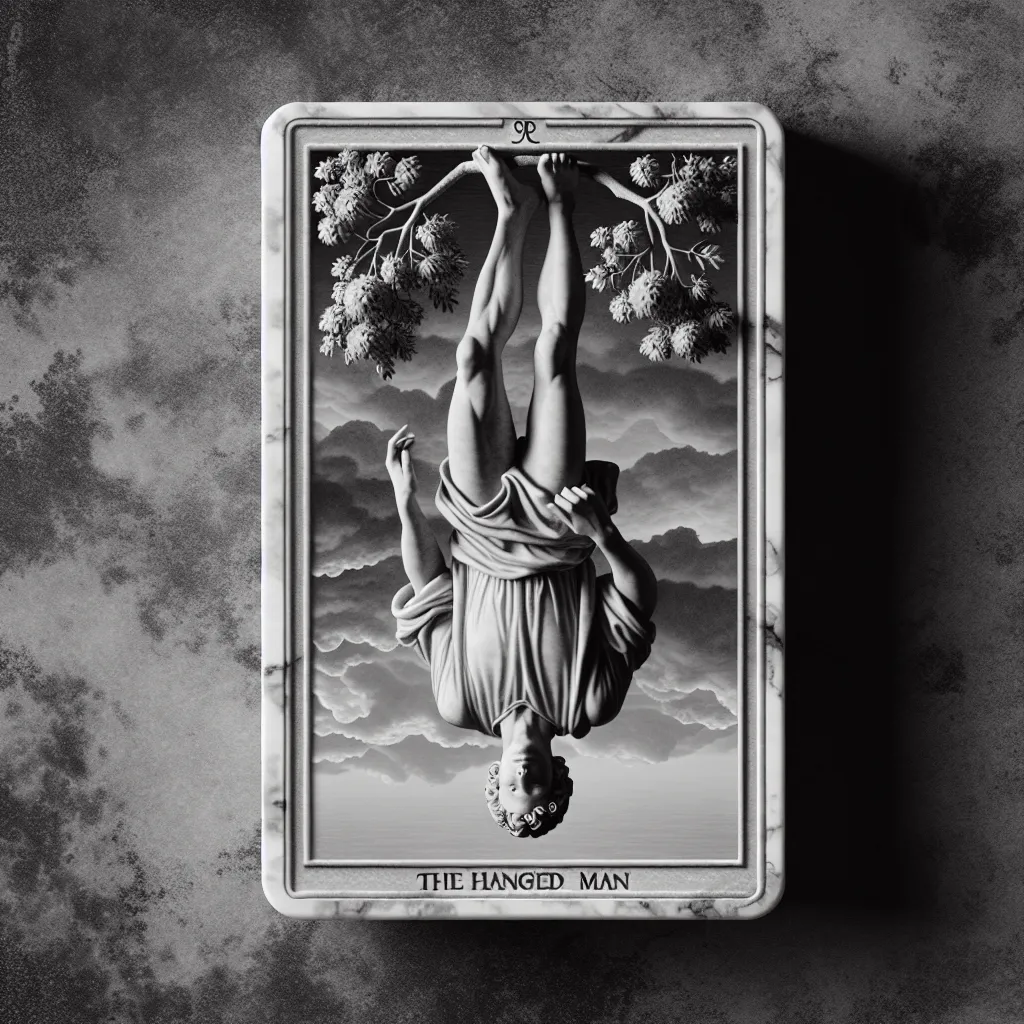
The Hanged Man is traditionally depicted as a figure suspended upside-down, often with a serene expression, a halo, or a calm demeanor. This imagery is rich with symbolism that challenges conventional perspectives. The upside-down position suggests a reversal of values, a shift in perception, or a temporary suspension of action. The figure’s calmness implies acceptance rather than resistance, hinting that what may appear as stagnation is actually a form of active surrender.
Key symbols include the halo, which can represent enlightenment or a higher state of consciousness, and the tree or post to which the figure is bound. The tree is often interpreted as the Tree of Life, linking The Hanged Man to themes of growth, patience, and the necessity of pauses in life’s journey. The rope or chain binding the figure is not a restraint but a choice—a deliberate act of suspension to gain a new vantage point. This card’s symbolism is a reminder that sometimes, the most profound insights come not from action, but from stillness.
Sacrifice vs. Stagnation: Deciphering The Hanged Man’s Message
One of the most common dilemmas when interpreting The Hanged Man is distinguishing between sacrifice and stagnation. Sacrifice implies a conscious choice to give up something valuable for a greater purpose, while stagnation suggests a lack of progress or forward movement. The context of the reading and the surrounding cards are crucial in making this distinction.
When The Hanged Man appears as a sacrifice, it often indicates a necessary pause or release. This could mean letting go of a toxic relationship, abandoning a dead-end job, or surrendering to a spiritual path that requires detachment from material concerns. The card’s energy here is transformative, urging you to see the value in what you’re releasing. On the other hand, if The Hanged Man appears alongside cards like The Ten of Swords or The Five of Pentacles, it may signal unhealthy stagnation—where fear or indecision is preventing you from moving forward.
To differentiate, ask yourself: Am I choosing to pause, or am I trapped? If the answer is the former, The Hanged Man is likely guiding you toward growth through sacrifice. If it’s the latter, the card may be a warning to break free from what’s holding you back.
The Hanged Man in Different Life Areas: Career, Relationships, and Spirituality
Career: In a career context, The Hanged Man can signal a need to reassess your professional path. It might suggest taking a sabbatical, pursuing further education, or stepping back from a high-pressure role to gain clarity. This card often appears when a change in perspective is needed—perhaps you’re overcomplicating a situation or clinging to an unfulfilling job out of fear. The Hanged Man encourages you to view your career through a new lens, even if it means temporarily sacrificing stability for long-term fulfillment.
Relationships: In matters of the heart, The Hanged Man can indicate a period of reflection or a necessary sacrifice for the relationship’s growth. This might mean compromising, taking a step back to understand your partner’s needs, or even ending a relationship that no longer serves your highest good. The card’s energy is not about blind sacrifice but about conscious choices that lead to deeper understanding. If you’re single, The Hanged Man may suggest a time of solitude to reflect on what you truly desire in a partner.
Spirituality: Spiritually, The Hanged Man is a powerful card of awakening. It represents the suspension of ego, the willingness to see the world from a different angle, and the embrace of paradox. This card often appears when you’re being called to a higher level of consciousness, whether through meditation, prayer, or a period of introspection. The sacrifice here is the ego’s need for control, and the reward is profound spiritual insight.

Practical Steps: How to Work with The Hanged Man’s Energy
Encountering The Hanged Man in a reading is an invitation to pause and reflect. Here are practical steps to harness its energy constructively:
- Embrace the Pause: Instead of resisting the current stagnation, lean into it. Use this time to meditate, journal, or engage in creative activities that help you see your situation from a new angle.
- Identify What You’re Willing to Sacrifice: Ask yourself what you’re holding onto out of habit or fear. Is it a belief, a relationship, or a goal that no longer aligns with your true self? Write down what you’re willing to release and why.
- Seek New Perspectives: The Hanged Man thrives on shifting viewpoints. Talk to someone you trust, read books outside your usual interests, or spend time in nature to gain fresh insights.
- Trust the Process: This card reminds you that not all progress is linear. Sometimes, the most significant growth happens in the stillness between actions.
- Watch for Signs of Stagnation: If you feel stuck in a rut, The Hanged Man may be urging you to take small steps forward. Even tiny actions, like setting a new goal or reaching out to a friend, can break the cycle of stagnation.
Common Misconceptions About The Hanged Man
Despite its rich symbolism, The Hanged Man is often misunderstood. One common misconception is that it’s a purely negative card, representing failure or bad luck. In reality, The Hanged Man is neither good nor bad—it’s a card of transformation. Another misconception is that it always signifies sacrifice. While sacrifice is a key theme, the card is equally about gaining a new perspective, which can be empowering rather than painful.
A third misconception is that The Hanged Man always indicates a long period of inactivity. While the card does suggest a pause, it’s not necessarily indefinite. The duration depends on how you engage with its energy. If you resist the message, the stagnation may persist. If you embrace the opportunity for reflection, the period of suspension can be brief and fruitful.
Conclusion
The Hanged Man is a card of paradox—a symbol of both sacrifice and stagnation, depending on how you interpret its message. It challenges you to see beyond the surface, to question your assumptions, and to embrace the power of stillness. Whether it’s urging you to release what no longer serves you or warning you against unnecessary delays, The Hanged Man is a call to shift your perspective and trust the process of transformation.
Next time this card appears in your reading, take a moment to reflect: Are you being asked to sacrifice for growth, or are you being called to break free from stagnation? The answer lies in how you choose to engage with its energy. By doing so, you’ll not only gain clarity but also align yourself with the deeper wisdom this enigmatic card offers.
FAQ
What does The Hanged Man tarot card symbolize?
The Hanged Man symbolizes suspension, sacrifice, spiritual surrender, and a shift in perspective.
Is The Hanged Man a negative card?
No, The Hanged Man is neither inherently negative nor positive; it represents transformation and a pause for reflection.
How can I tell if The Hanged Man means sacrifice or stagnation in a reading?
Context and surrounding cards help distinguish whether it signals a conscious sacrifice for growth or unhealthy stagnation and indecision.
What practical steps can I take when I draw The Hanged Man?
Embrace the pause, identify what to sacrifice, seek new perspectives, trust the process, and watch for signs of stagnation.
Leave a Reply