Short Answer
Welcome to your comprehensive guide on the Hanged Man tarot card and its healing meanings. Whether you’re a seasoned tarot reader or a curious beginner, this article will explore the symbolism, interpretations, and healing aspects of this powerful card. You’ll discover how the Hanged Man can guide personal growth, spiritual insights, and emotional healing. Dive in to uncover the wisdom this card holds for your life’s journey.
The Hanged Man Tarot Card: Overview and Symbolism
The Hanged Man is the twelfth card in the Major Arcana of the tarot deck, often depicted as a figure suspended upside-down from a living tree or wooden structure. This imagery is rich with symbolism, representing sacrifice, surrender, and a shift in perspective. The upside-down position suggests a reversal of usual thinking, inviting you to see situations from a new angle. The halo around the figure’s head symbolizes enlightenment or spiritual awakening, while the serene expression indicates acceptance and peace.
In traditional tarot decks like the Rider-Waite-Smith, the Hanged Man is often shown with a calm demeanor, holding a single coin in one hand. This coin may represent material attachments or the idea that sometimes, letting go is necessary for growth. The tree or structure from which the figure hangs is alive, symbolizing life, growth, and the natural flow of existence. Together, these elements convey a message of voluntary sacrifice for a higher purpose, emphasizing the importance of patience and trust in the process.
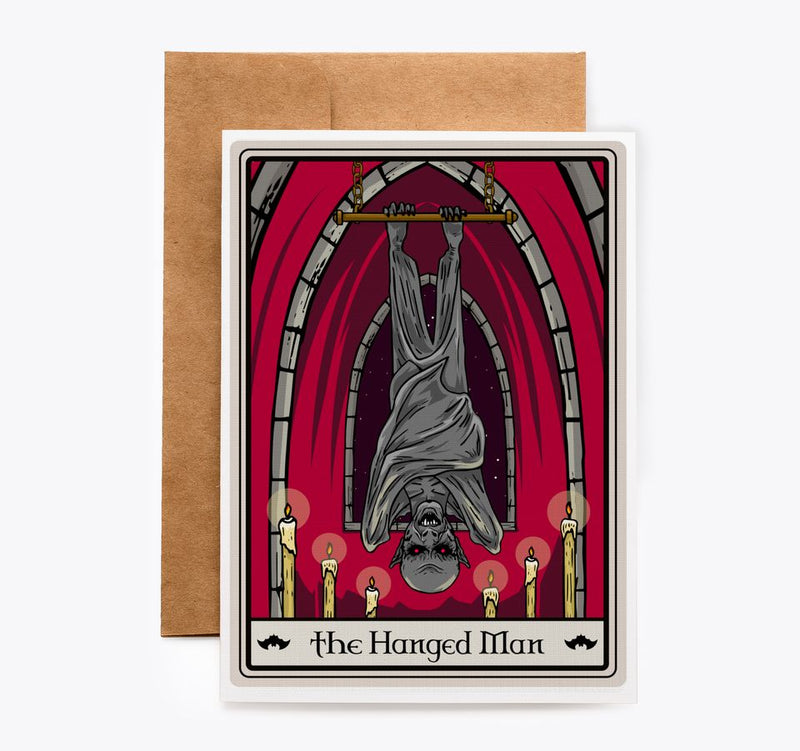

Understanding these symbols is key to interpreting the Hanged Man’s message. It’s not about forced suffering but about choosing a path of reflection and transformation. The card often appears when you’re being called to pause, reassess, and embrace a period of stillness, even if it feels uncomfortable at first.
Traditional Meanings of the Hanged Man in Tarot Readings
In tarot readings, the Hanged Man typically signifies a time of suspension, waiting, or limbo. It suggests that you may be feeling stuck or uncertain, but this is not a negative state—it’s an opportunity for growth. The card encourages you to release control and trust the process, even if the outcome isn’t immediately clear. It’s a reminder that sometimes, the best action is inaction, and that patience can lead to profound insights.
When upright, the Hanged Man often represents:
- Sacrifice: Letting go of something for a greater good, whether it’s a habit, relationship, or material possession.
- New Perspectives: Seeing a situation from a different viewpoint, which can lead to breakthroughs.
- Spiritual Growth: A period of introspection and connection with your inner self or higher power.
- Surrender: Accepting that some things are beyond your control and finding peace in that acceptance.
When reversed, the Hanged Man may indicate resistance to change, feeling trapped, or a refusal to see things differently. It can also suggest martyrdom—sacrificing too much without gaining the intended benefits. In this case, the card urges you to examine whether your sacrifices are truly serving you or if you’re holding onto stagnation out of fear.
For example, if you’re considering a career change but feel paralyzed by uncertainty, the Hanged Man might appear to remind you that this pause is necessary for clarity. It’s not about rushing into decisions but about allowing yourself the space to reflect.
Healing Aspects of the Hanged Man Tarot Card
The Hanged Man is deeply connected to healing, particularly emotional and spiritual healing. Its energy encourages you to release old wounds, limiting beliefs, or toxic patterns by shifting your perspective. This card often appears during times of transition, such as after a breakup, job loss, or personal crisis, signaling that healing requires surrender and trust in the process.
One of the key healing messages of the Hanged Man is the power of stillness. In a fast-paced world, we’re often conditioned to always be doing something. However, the Hanged Man teaches that healing happens in the pauses—the moments when we allow ourselves to feel, reflect, and integrate our experiences. This card can guide you to:
- Release Control: Trust that you don’t need to force solutions; sometimes, the answers come when you least expect them.
- Embrace Change: View transitions as opportunities for growth rather than threats to your stability.
- Practice Self-Compassion: Recognize that healing isn’t linear and that it’s okay to take time for yourself.
- Find Meaning in Suffering: Even difficult experiences can serve a purpose if you’re open to learning from them.
For instance, if you’re recovering from a loss, the Hanged Man might appear to remind you that grief is a process that can’t be rushed. It’s okay to feel stuck sometimes; this card reassures you that this phase is temporary and necessary for your healing journey.

In healing readings, the Hanged Man can also highlight the need for detachment. It may suggest that you’re holding onto past hurts or clinging to outcomes that no longer serve you. By surrendering these attachments, you create space for new energy and opportunities to flow into your life.
How to Use the Hanged Man for Personal Growth
The Hanged Man isn’t just a card of passive waiting—it’s a call to active reflection and intentional surrender. To harness its energy for personal growth, consider the following practices:
Meditation and Journaling: Spend time in quiet reflection, asking yourself what areas of your life feel stagnant or in need of a new perspective. Write down any insights that arise, even if they seem unclear at first. The Hanged Man thrives in stillness, so give yourself permission to sit with your thoughts without rushing to solutions.
Rituals of Release: Create a small ritual to symbolize letting go of what no longer serves you. This could be burning a piece of paper with old worries written on it, or even physically rearranging a space in your home to invite fresh energy. The act of surrendering can be empowering when done mindfully.
Exploring Shadow Work: The Hanged Man often appears when you’re being asked to confront aspects of yourself you’ve ignored or suppressed. Shadow work involves acknowledging these hidden parts without judgment. Ask yourself: What am I afraid to face? What beliefs am I holding onto that no longer align with my truth?
Embracing Uncertainty: Practice tolerating discomfort without immediately seeking to resolve it. This could mean taking a break from decision-making or allowing yourself to feel emotions without trying to “fix” them. The Hanged Man teaches that sometimes, the most growth happens in the unknown.
For example, if you’re feeling lost in your career, the Hanged Man might encourage you to view this period as an opportunity to explore new passions rather than rushing into the next job. Trust that the right path will reveal itself when you’re ready.
Common Misconceptions About the Hanged Man
Despite its powerful message, the Hanged Man is often misunderstood. One of the biggest misconceptions is that it represents forced suffering or victimhood. In reality, the card is about voluntary surrender—a choice to pause and reflect rather than a state of helplessness. It’s not about enduring pain passively but about recognizing when to step back and reassess.
Another common myth is that the Hanged Man always signifies a negative or challenging time. While it can indicate periods of uncertainty, it’s ultimately a card of transformation. The discomfort you feel is temporary and serves a higher purpose. Think of it like a cocoon phase before a butterfly emerges—it may feel restrictive, but it’s necessary for growth.
Some people also associate the Hanged Man with laziness or indecision, but this couldn’t be further from its true meaning. The card isn’t about avoiding action; it’s about choosing the right action. Sometimes, the most powerful step you can take is to wait, observe, and gather wisdom before moving forward.
Conclusion
The Hanged Man tarot card is a profound symbol of surrender, reflection, and transformation. Whether it appears in a reading or resonates with you on a personal level, its message is clear: sometimes, the greatest growth comes from stillness and a willingness to see things differently. By embracing the energy of the Hanged Man, you open yourself to healing, new perspectives, and a deeper connection with your inner wisdom.
Remember, the Hanged Man isn’t a card of defeat—it’s a card of awakening. It reminds you that even in the most challenging moments, there’s an opportunity to rise above and gain clarity. Trust the process, release what no longer serves you, and allow yourself the space to grow. The wisdom you seek is often found in the pauses, not in the rush.
Use this guide as a starting point to explore the Hanged Man’s meaning in your life. Whether through tarot readings, meditation, or personal reflection, let its energy guide you toward healing and transformation.
FAQ
What does the Hanged Man tarot card symbolize?
The Hanged Man symbolizes sacrifice, surrender, new perspectives, spiritual growth, and the process of letting go for transformation.
What is the difference between the upright and reversed Hanged Man meanings?
Upright, it represents voluntary surrender and patience; reversed, it warns of resistance to change, feeling trapped, or unhealthy sacrifice.
How can the Hanged Man card help in healing?
It encourages emotional and spiritual healing through stillness, releasing control, embracing change, and practicing self-compassion during transitions.
Is the Hanged Man card a sign of forced suffering?
No, it represents voluntary pause and reflection, not forced suffering or victimhood.
Leave a Reply