Short Answer
Welcome to this comprehensive guide on the Hermit and Hierophant tarot cards. Whether you’re a seasoned tarot reader or a curious beginner, this article will deepen your understanding of these two powerful archetypes. You’ll explore their meanings in different contexts, their symbolism, and how they might appear in your readings. By the end, you’ll have a clear grasp of how these cards influence personal growth, spiritual guidance, and life decisions.
The Hermit: A Journey of Solitude and Self-Discovery
The Hermit is one of the most introspective cards in the tarot deck, representing a period of withdrawal, reflection, and inner searching. Often depicted as an elderly figure holding a lantern, the Hermit embodies the quest for wisdom through solitude and introspection. Unlike isolation, which can feel lonely or forced, the Hermit’s solitude is a deliberate choice—a necessary step toward enlightenment.
In readings, the Hermit often signals a time for self-reflection, especially when you feel overwhelmed by external noise. It may suggest that you need to step back from social obligations or distractions to reconnect with your inner voice. This card encourages you to ask yourself meaningful questions: What truly matters to me? What lessons have I yet to learn? The answers often lie not in external validation but in the quiet spaces of your own mind.

On a practical level, the Hermit can indicate a need for research, study, or mentorship. If you’re facing a difficult decision, the Hermit advises you to seek knowledge from trusted sources or experienced individuals rather than rushing into action. It’s a reminder that true understanding often comes from patience and deep contemplation.
Key Themes Associated with the Hermit
- Introspection: A call to turn inward and examine your thoughts, emotions, and life path.
- Wisdom: The pursuit of knowledge, often through study, meditation, or guidance from a mentor.
- Solitude: Embracing alone time as a source of strength rather than loneliness.
- Patience: Understanding that some answers take time to unfold.
The Hierophant: Tradition, Guidance, and Spiritual Authority
The Hierophant, often depicted as a religious figure seated between two pillars, represents tradition, spiritual guidance, and the search for meaning through established systems. Unlike the Hermit, who seeks answers within, the Hierophant looks to external sources—religious teachings, mentors, or cultural norms—for direction. This card is deeply connected to education, conformity, and the transmission of wisdom from one generation to the next.
In a tarot reading, the Hierophant may appear when you’re seeking advice, structure, or a deeper understanding of your beliefs. It can indicate a need to follow conventional paths, whether in education, career, or spirituality. For example, if you’re considering a major life change, the Hierophant might suggest researching traditional routes or consulting a mentor before making a decision.
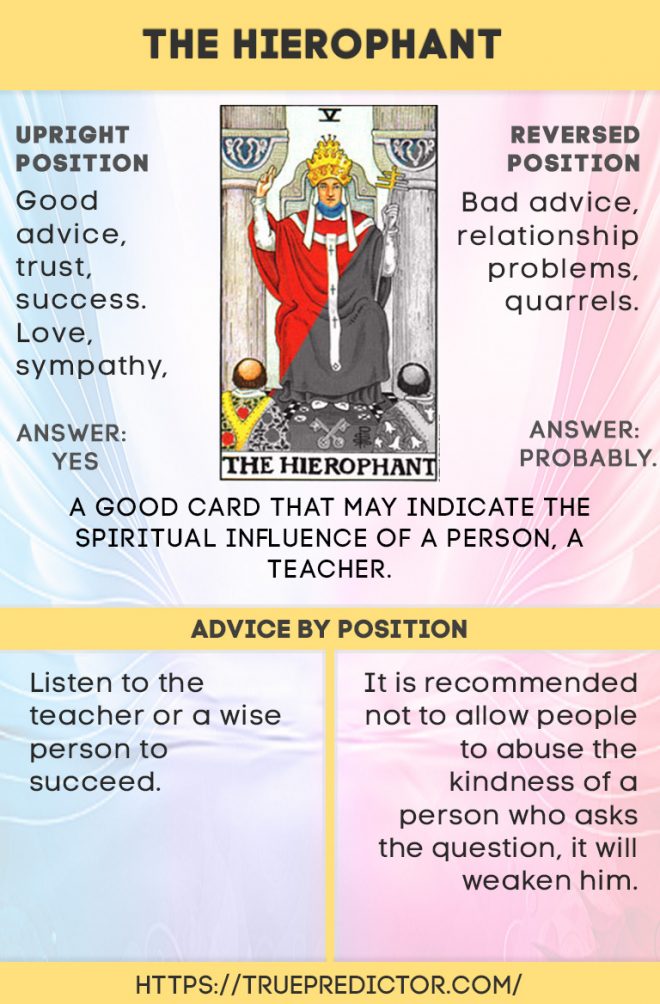
The Hierophant also highlights the importance of rituals, ceremonies, and structured learning. It’s a card of conformity in the best sense—helping you align with values that have stood the test of time. However, it can also warn against blindly following dogma without questioning its relevance to your personal journey.
Key Themes Associated with the Hierophant
- Tradition: Respecting established systems, whether in religion, education, or culture.
- Guidance: Seeking wisdom from mentors, teachers, or spiritual leaders.
- Structure: Embracing routines, rituals, and organized approaches to learning or problem-solving.
- Conformity vs. Rebellion: Balancing adherence to tradition with the need for personal authenticity.
Comparing the Hermit and Hierophant: Key Differences
While both the Hermit and Hierophant deal with wisdom and introspection, their approaches are distinct. The Hermit is about inner exploration and personal discovery, often requiring solitude and self-reliance. The Hierophant, on the other hand, emphasizes external guidance and structured learning, encouraging you to look to established sources for answers.
Another way to differentiate them is through their energy. The Hermit feels solitary and introspective, while the Hierophant feels communal and structured. For example, if you draw the Hermit in a reading, it might suggest taking time alone to reflect. If the Hierophant appears, it could indicate seeking advice from a mentor or teacher.
In relationships, the Hermit might represent a need for personal space, while the Hierophant could suggest seeking counsel from a trusted authority figure, such as a therapist or spiritual leader.
How the Hermit and Hierophant Appear in Readings
The meaning of these cards can shift depending on their position in a spread and the surrounding cards. Here’s how they might manifest in different contexts:
Career and Work
In a career reading, the Hermit might suggest a need for further education or a period of self-reflection before making a big decision. It could also indicate burnout and the importance of taking a step back to recharge. The Hierophant, meanwhile, might point to seeking mentorship, following industry standards, or pursuing a traditional career path.
Relationships
In matters of the heart, the Hermit can signal a need for personal space or a period of introspection before committing to a relationship. It may also indicate that one partner is withdrawing to reflect on their feelings. The Hierophant, on the other hand, might suggest seeking advice from a relationship counselor or adhering to traditional relationship values.
Spirituality and Personal Growth
For spiritual seekers, the Hermit represents a deep dive into personal beliefs, meditation, or solitary practices like journaling. The Hierophant encourages studying sacred texts, attending religious services, or learning from a spiritual teacher. Together, these cards can highlight the balance between inner exploration and external guidance in your spiritual journey.
Practical Tips for Working with These Cards
If you frequently encounter the Hermit or Hierophant in your readings, here are some ways to integrate their lessons into your life:
- For the Hermit:
- Set aside time for solitude and reflection, even if it’s just a few minutes each day.
- Keep a journal to track your thoughts and insights during introspective periods.
- Seek out mentors or resources that align with your personal values rather than external expectations.
- For the Hierophant:
- Explore structured learning opportunities, such as courses, workshops, or books on topics that interest you.
- Consult with mentors, teachers, or spiritual leaders when facing important decisions.
- Reflect on how traditional values or systems can support your personal growth rather than restrict it.
Conclusion
The Hermit and Hierophant are two of the most profound cards in the tarot deck, each offering unique insights into the journey of wisdom and self-discovery. The Hermit teaches the value of solitude, introspection, and personal truth, while the Hierophant emphasizes the importance of tradition, guidance, and structured learning. Together, they remind us that growth often requires both inner reflection and external support.
Whether you’re navigating a major life decision, seeking spiritual clarity, or simply exploring the tarot, these cards serve as powerful guides. By understanding their symbolism and applying their lessons, you can cultivate deeper self-awareness and make choices that align with your highest good.
FAQ
What is the meaning of the Hermit tarot card?
The Hermit represents introspection, solitude, and the search for inner wisdom.
What does the Hierophant tarot card symbolize?
The Hierophant symbolizes tradition, guidance, and seeking knowledge through established systems.
How can the Hermit and Hierophant appear in readings?
The Hermit may indicate a need for self-reflection, while the Hierophant often suggests seeking guidance from mentors or traditions.
Leave a Reply