Short Answer
Welcome to a deep dive into the Persona Tarot List—a mystical journey through the Major Arcana of the Persona series. Here, we’ll explore each Arcana not just as a card, but as a living metaphor, a character, and a thematic pillar that shapes the narrative and gameplay of the series. Whether you’re a seasoned Persona veteran or a newcomer drawn to the allure of tarot symbolism, this guide will illuminate the hidden layers of meaning behind each card. By the end, you’ll see how these ancient symbols are reimagined in modern storytelling, psychology, and interactive art.
The Fool: Beginnings and Infinite Potential
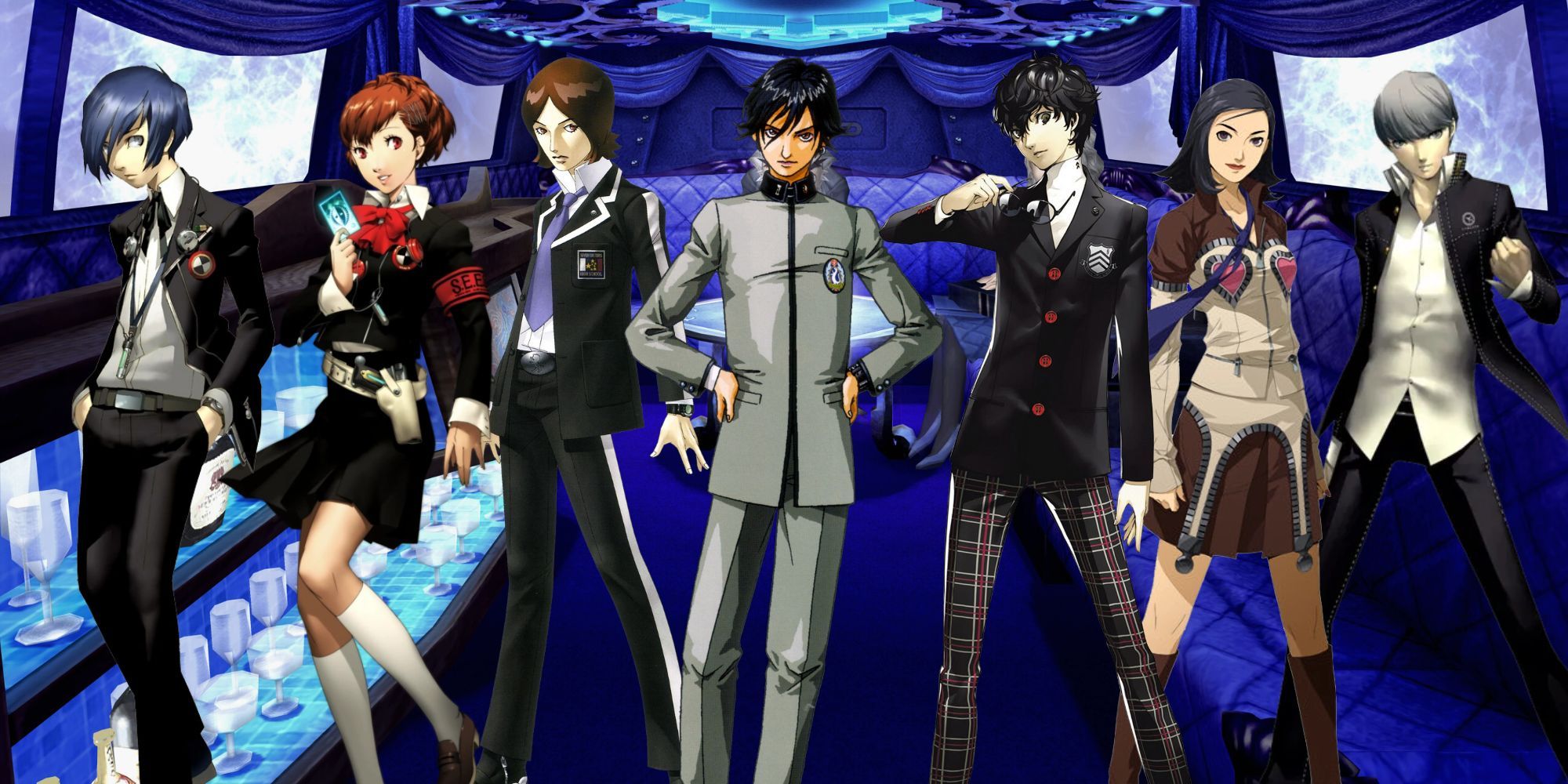
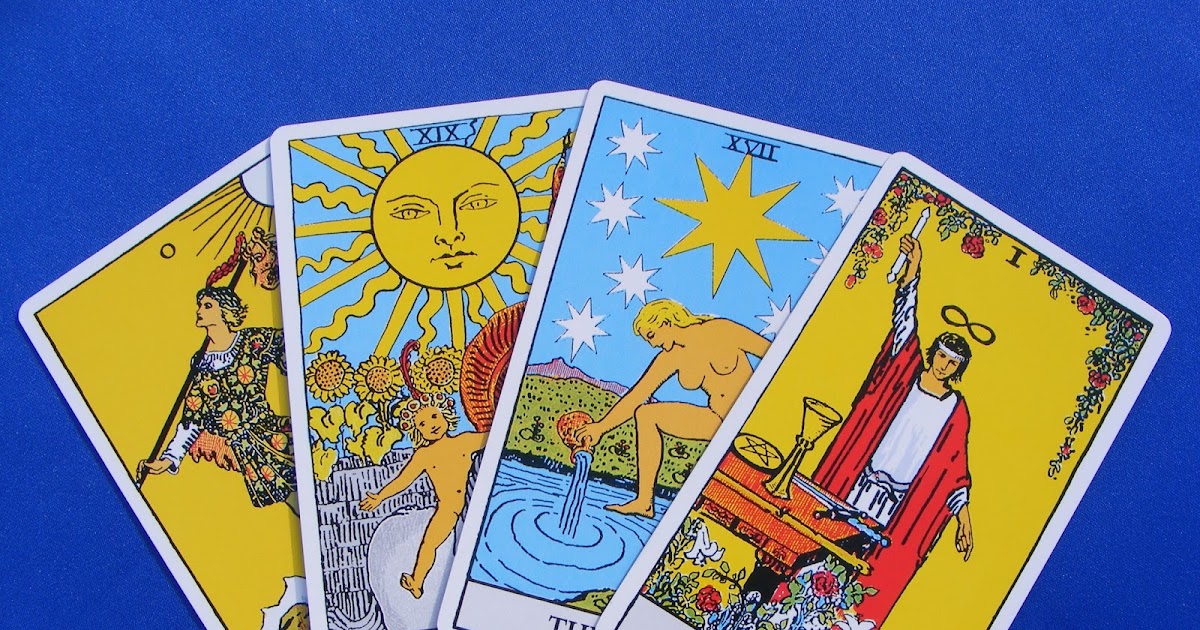
The Fool is the first card of the Major Arcana, and in the Persona series, it represents the protagonist—a blank slate embarking on a transformative journey. Unlike traditional tarot interpretations that focus on spontaneity and risk, Persona reimagines The Fool as a symbol of youthful curiosity and the courage to step into the unknown. The card’s imagery often features a carefree figure on the edge of a cliff, suggesting both vulnerability and limitless possibility. In games like Persona 5, this mirrors the protagonist’s journey from a seemingly ordinary life to becoming a Phantom Thief, embracing chaos to challenge oppressive systems. The Fool teaches that every great adventure begins with a single, uncertain step.
The Magician: Mastery and Personal Power
The Magician is the embodiment of willpower, skill, and the ability to manifest one’s desires. In the Persona universe, this card often aligns with characters who wield Personas as tools of transformation—think Joker in Persona 5, who channels his inner strength to challenge societal norms. The Magician’s imagery typically includes symbols of alchemy and infinity, reflecting the series’ blend of mysticism and modern themes. This Arcana underscores the idea that true power comes from self-awareness and the courage to use one’s talents for change, whether in battle or in life.
The High Priestess: Intuition and Hidden Knowledge
The High Priestess represents intuition, mystery, and the subconscious mind. In Persona games, she often appears as a guide or a figure who embodies wisdom beyond conventional understanding. For example, in Persona 4, characters like Rise Kujikawa and Margaret serve as spiritual advisors, embodying the Priestess’s role as a keeper of secrets. The card’s imagery—often featuring a veiled woman between two pillars—symbolizes the duality of knowledge: what is revealed and what remains hidden. This Arcana encourages players to trust their instincts and explore the deeper layers of their psyche.
The Empress: Nurturing Growth and Creativity
The Empress is the card of fertility, abundance, and maternal energy. In the Persona series, she frequently represents characters who foster growth, both in relationships and personal development. Take Persona 3’s Aigis, who evolves from a cold machine to a compassionate ally, embodying the Empress’s nurturing spirit. The card’s lush, natural imagery contrasts with the series’ often dark themes, reminding players that even in chaos, there is room for creation and renewal. The Empress teaches that true strength lies in vulnerability and the willingness to care for others.
The Emperor: Structure and Authority
The Emperor symbolizes structure, leadership, and the establishment of order. In Persona, this Arcana often reflects the rigid systems the protagonists challenge—corporate corruption, societal expectations, or even oppressive regimes. Characters like Persona 5’s Goro Akechi, who initially appears as a symbol of authority, highlight the duality of the Emperor: order can be both a shield and a cage. The card’s imagery, featuring a stern ruler on a throne, underscores the tension between control and rebellion, a central theme in the series.
The Hierophant: Tradition and Dogma
The Hierophant represents tradition, religion, and institutionalized knowledge. In Persona games, this Arcana often appears in characters or institutions that embody dogma—whether it’s the corrupt religious figures in Persona 4 or the oppressive school system in Persona 5. The Hierophant’s imagery, featuring a religious figure blessing followers, serves as a critique of blind adherence to tradition. The series often challenges players to question these structures, urging them to seek truth beyond dogma.
The Lovers: Choice and Relationships
The Lovers card is about harmony, relationships, and pivotal choices. In Persona, this Arcana frequently highlights romantic or deep emotional connections, such as the bonds between party members in Persona 3 or the complex relationships in Persona 4. The card’s imagery, often depicting a couple beneath an angel, symbolizes the balance between passion and responsibility. This Arcana reminds players that love and friendship are not just emotional experiences but forces that drive personal growth and change.
The Chariot: Determination and Triumph
The Chariot represents willpower, victory, and the drive to overcome obstacles. In the Persona series, this Arcana is often tied to characters who embody perseverance, such as Persona 3’s Junpei Iori or Persona 5’s Ryuji Sakamoto. The card’s imagery, featuring a triumphant figure in a chariot pulled by sphinxes, reflects the duality of control and ambition. The Chariot teaches that success comes not from brute force but from harnessing one’s inner strength and staying focused on the goal.

The Death Arcana: Transformation and Rebirth
Despite its ominous name, the Death card symbolizes transformation, endings, and rebirth. In Persona, this Arcana is tied to moments of profound change—character arcs, narrative twists, or even the protagonist’s evolution. For example, in Persona 4, the Death Arcana reflects the characters’ growth as they confront their inner demons. The card’s imagery, featuring a skeletal figure and a rising sun, underscores the inevitability of change and the hope that follows loss.
The Devil: Bondage and Temptation
The Devil represents materialism, addiction, and the chains that bind us. In Persona games, this Arcana often appears in antagonists or themes of corruption, such as the Shadows in Persona 4 that exploit human desires. The card’s imagery, featuring chained figures beneath a demonic figure, serves as a stark reminder of the dangers of unchecked ambition or desire. The Devil challenges players to confront their own weaknesses and break free from toxic patterns.
Conclusion
The Persona Tarot List is more than a collection of symbols—it’s a narrative framework that enriches the series’ storytelling, character development, and thematic depth. Each Arcana serves as a mirror, reflecting the protagonist’s journey, the party’s dynamics, and the series’ exploration of human nature. From the boundless potential of The Fool to the transformative power of Death, these cards weave a tapestry of meaning that resonates with players on a personal level. Whether you’re navigating the complexities of Persona 5’s rebellion or the emotional depth of Persona 3’s Social Links, the tarot provides a lens through which to understand the series’ enduring appeal. As you revisit these games or encounter them for the first time, let the Arcana guide you—not just as a guide to gameplay, but as a journey into the heart of what it means to grow, change, and find meaning in chaos.
FAQ
What is the significance of the Major Arcana in Persona?
The Major Arcana represents key themes and character developments within the Persona series, reflecting the protagonist’s journey and the overarching narrative.
How does the Fool Arcana differ in Persona compared to traditional tarot?
In Persona, The Fool symbolizes youthful curiosity and the courage to embrace the unknown, contrasting with traditional interpretations that emphasize spontaneity and risk.

Leave a Reply