Short Answer
In this comprehensive guide, you’ll explore the art of interpreting tarot cards, with a special focus on relationship cards and how they can promise a shift in perspective. Whether you’re a beginner or an experienced reader, understanding the deeper meanings behind these cards can unlock new insights into your personal connections, emotional patterns, and future possibilities. You’ll learn how to read the cards intuitively, recognize symbolic cues, and use them as tools for self-reflection and growth. By the end, you’ll feel empowered to approach tarot with curiosity and confidence, transforming your readings into meaningful experiences.
The Essence of Tarot Card Readings
Tarot is more than a deck of illustrated cards; it’s a mirror to the subconscious, a tool for divination, and a catalyst for introspection. Each card carries layers of meaning, from its traditional symbolism to its modern interpretations. The 78 cards in a tarot deck are divided into two main groups: the Major Arcana and the Minor Arcana. The Major Arcana represents significant life themes and spiritual lessons, while the Minor Arcana focuses on everyday experiences and challenges. Understanding this structure is the first step in mastering tarot readings.
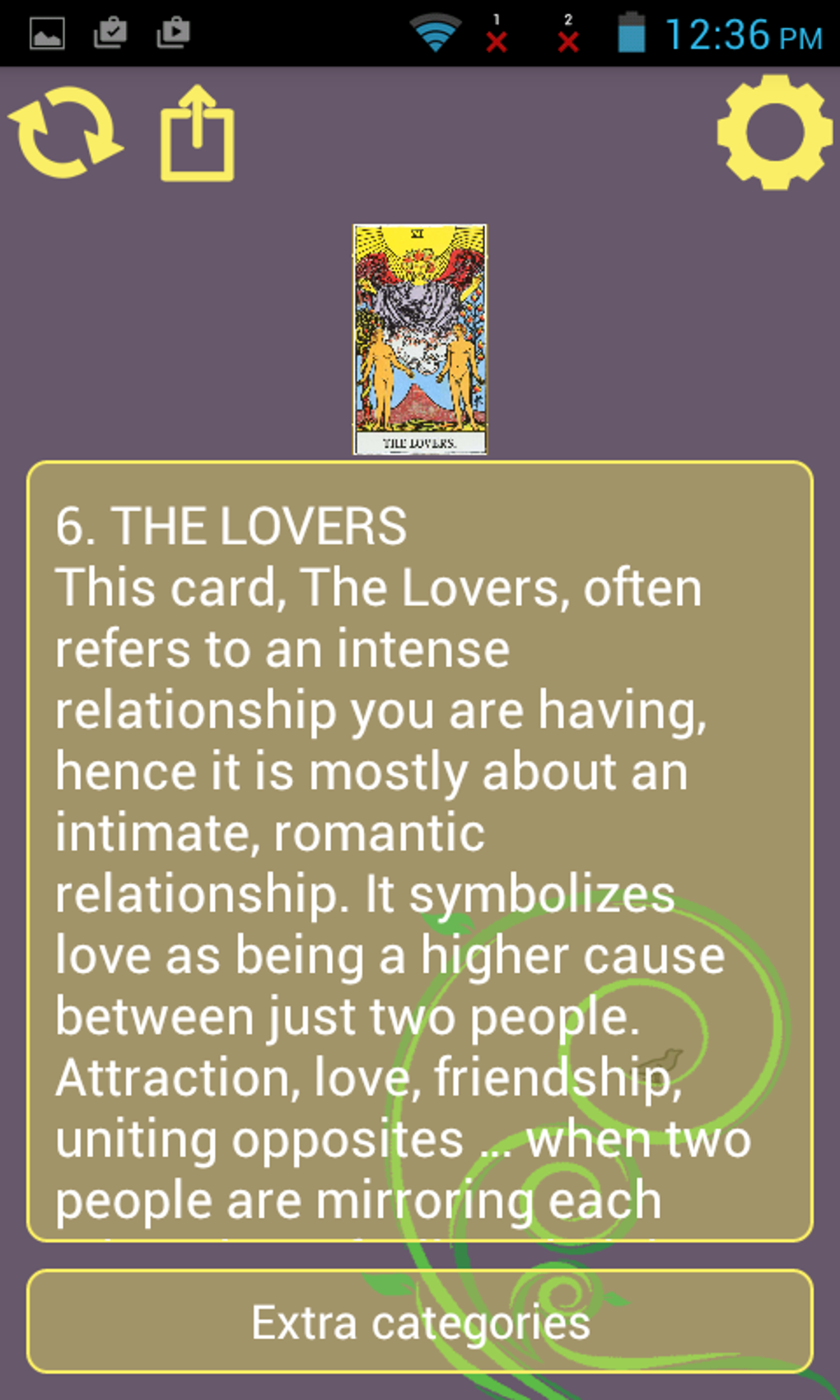
When interpreting tarot cards, context is everything. The position of a card in a spread, the surrounding cards, and your intuitive response all play a role in shaping its meaning. For example, the Fool card might signify new beginnings when upright but caution when reversed. Similarly, the Lovers card in a relationship reading often points to harmony and choices, but its deeper message may reveal the need for alignment between heart and mind.

To deepen your practice, familiarize yourself with the four suits of the Minor Arcana: Cups (emotions), Pentacles (material world), Swords (intellect), and Wands (creativity). Each suit corresponds to an element and governs specific aspects of life. For instance, Cups relate to love and relationships, making them essential for readings focused on emotional connections.
Understanding Relationship Cards
Relationship cards in tarot are powerful tools for exploring dynamics between individuals, whether romantic, familial, or platonic. These cards often highlight emotional bonds, communication styles, and potential challenges or opportunities within the connection. The most iconic relationship card is The Lovers, which transcends romantic love to represent choices, values, and alignment. Other key cards include Two of Cups (harmony and mutual attraction), Three of Swords (heartbreak or miscommunication), and Ten of Cups (family happiness and fulfillment).
When a relationship card appears in a reading, pay attention to its surrounding cards and the question posed. For example, if The Empress appears alongside The Lovers, it may suggest nurturing love and abundance. If the Five of Pentacles shows up, it could indicate financial stress affecting the relationship. The key is to view these cards as part of a larger narrative, where each contributes to the story of the connection.
Intuition plays a crucial role in interpreting relationship cards. While traditional meanings provide a foundation, your personal connection to the imagery and symbols can reveal nuanced insights. For instance, if the Eight of Cups appears, you might associate it with walking away from a stagnant relationship, but your intuition could guide you to understand whether this is a necessary step or a fear-driven impulse.
Practicing with relationship spreads can sharpen your skills. A simple three-card spread—past, present, and future—can offer clarity on how a relationship has evolved, where it stands now, and where it’s headed. For deeper analysis, consider a Celtic Cross spread, which incorporates multiple layers of meaning, including external influences and subconscious factors.
Promises of a Shift in Perspective
One of the most transformative aspects of tarot is its ability to shift perspectives. A card that initially seems negative, like the Three of Swords, can reveal an opportunity for healing and growth when viewed through a different lens. The promise of a shift in perspective lies in tarot’s capacity to reframe challenges as lessons and obstacles as stepping stones. For example, the Tower card, often associated with sudden upheaval, can symbolize the breakdown of old patterns to make way for renewal.
To harness this promise, approach each reading with an open mind. Ask yourself: What is this card trying to teach me? or How can I use this insight to grow? For instance, if the Six of Swords appears, it may indicate a transition or journey, but its deeper message could be about leaving behind emotional baggage to find peace. By embracing this shift, you transform a reading from a mere prediction into a tool for personal evolution.
Another way tarot encourages perspective shifts is through its use of symbolism. The imagery on each card is rich with metaphor, inviting you to explore multiple interpretations. The High Priestess, for example, represents intuition and hidden knowledge, but she can also symbolize the need to trust your inner voice in a situation where logic dominates. By meditating on these symbols, you cultivate a deeper understanding of your circumstances.
Journaling your readings can amplify this effect. After a session, write down the cards that stood out, your initial reactions, and any insights that emerged. Over time, you’ll notice patterns in how certain cards resonate with you, further refining your ability to interpret their messages in a way that feels personally meaningful.
Piquing Curiosity Through Tarot
Curiosity is the driving force behind meaningful tarot readings. It transforms a mechanical process into an engaging exploration of the unknown. To pique your curiosity, start by asking open-ended questions. Instead of asking, Will I find love? try, What do I need to understand about my current relationships? This approach invites deeper reflection and reveals layers of insight that a yes/no question might miss.
Another way to stoke curiosity is to experiment with different spreads. While traditional spreads like the Celtic Cross are valuable, don’t hesitate to create your own. For example, a spread focused on “What’s hidden?” or “What’s my blind spot?” can uncover subconscious influences in a relationship. You might also try pulling a single card each day and reflecting on its message in the context of your life. This practice builds a habit of mindfulness and keeps your tarot skills sharp.
Exploring the historical and cultural roots of tarot can also fuel curiosity. The deck’s origins trace back to 15th-century Italy, where it was used for games before evolving into a divination tool. Different cultures have adapted tarot to their own traditions, from the Rider-Waite-Smith deck’s esoteric symbolism to the Thoth deck’s psychological approach. Understanding this history adds depth to your readings and connects you to a global community of seekers.
Finally, embrace the element of surprise in tarot. Sometimes, a card will appear that doesn’t align with your expectations, challenging you to think outside the box. For instance, if the Knight of Wands shows up in a relationship reading, it might suggest impulsive energy or a need for adventure, rather than a straightforward romantic message. These unexpected insights often lead to the most profound “aha” moments.
Conclusion
Tarot is a dynamic and deeply personal tool that offers more than just predictions—it’s a gateway to self-discovery, emotional clarity, and transformative growth. By mastering the meanings of relationship cards, you unlock the ability to navigate your connections with greater awareness and intention. The promise of a shift in perspective reminds you that every card, no matter how challenging, holds a lesson or an opportunity for change. And by nurturing your curiosity, you keep the practice of tarot fresh, engaging, and endlessly rewarding.
As you continue your journey with tarot, remember that there are no rigid rules—only guidelines. Trust your intuition, stay open to new interpretations, and let the cards guide you toward deeper understanding. Whether you’re seeking answers about love, life, or personal growth, tarot can be a trusted companion on your path to enlightenment. Start with a single card, explore its layers, and let the magic unfold.
FAQ
What is the significance of the Lovers card in a tarot reading?
The Lovers card represents harmony, choices, and alignment in relationships, often indicating the need for connection between heart and mind.
How can tarot cards help in understanding relationships?
Tarot cards can reveal emotional bonds, communication styles, and potential challenges, providing insights into personal connections.
What is a three-card spread in tarot?
A three-card spread typically represents the past, present, and future of a relationship, offering clarity on its evolution.
Leave a Reply