Short Answer
The realm of tarot often prompts contemplation and curiosity, particularly when scrutinized through the nuanced lens of Christian perspectives. Among the intricate suits in tarot, the Cups stand out, symbolizing not only emotion but also a profound spiritual journey. So, are you ready to sip from the chalice of insight and discover what Cups Tarot Cards mean from a Christian viewpoint? Let’s embark on this exploration, understanding that while different faiths and beliefs may interpret these cards variably, their essence can still foster enlightening discussions.
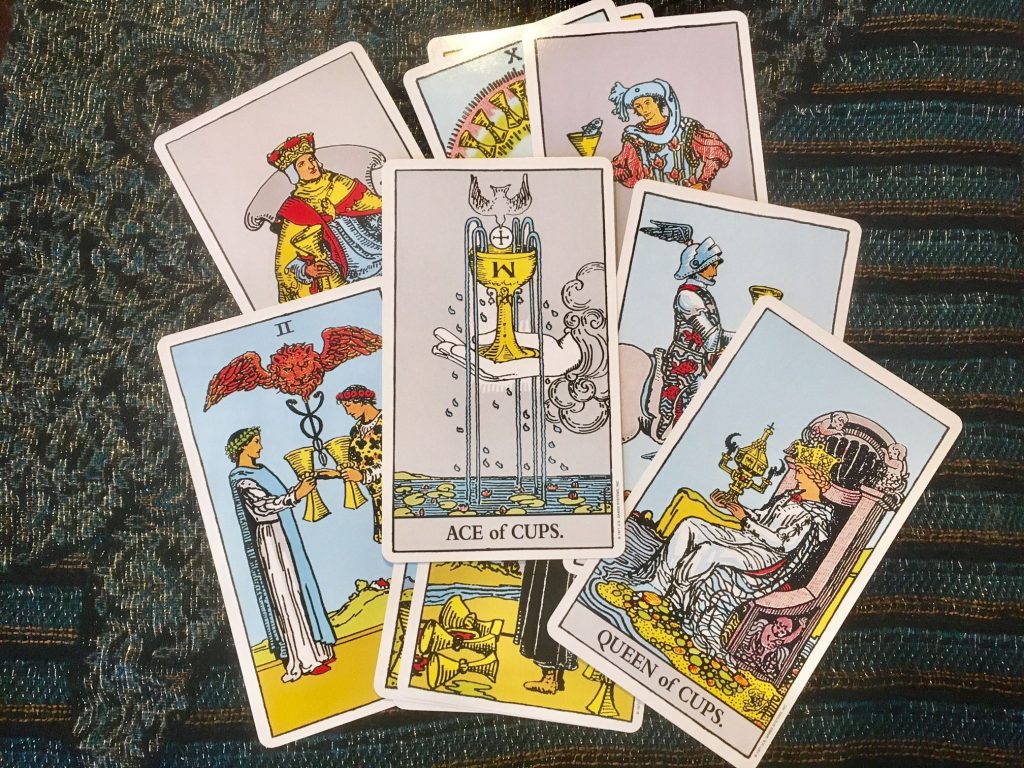
The Cups suit typically signifies emotions, relationships, and the subconscious. In a Christian framework, these cards may evoke an interplay between divine love and human feelings. Each card within this suit can manifest different facets of emotional experiences, often prompting believers to reflect on their own feelings in relation to God’s love and grace. This duality acts as a bridge between the earthly and the divine, encouraging believers to navigate their emotions with a deeper spiritual awareness.
At the heart of the Cups is the concept of love, which is frequently extolled in Christian doctrine. Love is more than just an emotion; it is an imperative for many believers. Take, for instance, the transformative nature of the Two of Cups. Representing unity, partnership, and mutual respect, this card can remind Christians of the sacred union within marriage, which is often seen as a reflection of Christ’s love for the Church. Consider, how often do we take this love for granted, forgetting the sacrifices and the covenant it entails?
The Three of Cups further deepens this exploration, embodying celebration, friendship, and community. In Christian tradition, the importance of fellowship cannot be overstated. This card may evoke scenes from the New Testament, where community believers gather to break bread and share in worship. It prompts individuals to assess their connections with others — are we genuinely nurturing our spiritual communities or merely attending events out of obligation? The playful question arises: what celebrations have we overlooked in our daily lives? The Three of Cups invites Christians to seek joy and gratitude in every relationship, fostering communal bonds that mirror divinity.
Advancing through the suit, we encounter the Four of Cups, a card that often denotes apathy and contemplation. This card serves as a challenge, pushing believers to reflect on their emotional states. In Christianity, self-examination is a vital practice. How can one recognize divine blessings if they are caught in a cycle of discontent? The Four of Cups juxtaposes the mundane with the miraculous, encouraging Christians to shake off their spiritual lethargy, and to engage more fervently with their faith.
The Five of Cups also holds cachet in this religious discourse. It starkly illustrates loss and grief, yet juxtaposes sorrow with hope. This card aligns with Christian themes of redemption and resurrection. Consider this: How does one reconcile loss with faith? In the midst of adversity, belief in divine providence can transform heartbreak into an opportunity for spiritual growth. The Five of Cups speaks of mourning but also hints at the promise of new beginnings, reminiscent of the Biblical message of comfort during trials. What could we learn from our falling short, from the shattered dreams we tend to dwell upon?
The Six of Cups introduces nostalgia and remembrance. It can prompt Christians to reflect on their own spiritual journeys and childhood faith. This card might compel a believer to think: how does one reclaim the childlike wonder of faith? By revisiting the unadulterated love and trust in God that often diminishes with age, believers can regain a fresh perspective. This element of introspection encourages a revival of one’s spiritual fervor, reminding Christians that this journey is less about rote adherence to doctrine and more about cultivating an authentic relationship with the Divine.
As we transition to the Seven of Cups, we witness the manifestation of choices and illusions. It serves as a potent reminder that amidst myriad distractions, the true calling of a believer lies in discerning God’s will. It questions: how adept are we at navigating our desires through the lens of faith? In a world inundated with choices, this card can motivate Christians to adopt a discerning eye, ensuring their decisions align with their spiritual values and teachings.
The Eight of Cups presents an intriguing image of departure. This card encapsulates the act of moving away from superficial interactions in pursuit of more profound spiritual fulfillment. It prompts an essential inquiry: What are we willing to leave behind for spiritual elevation? This challenging question invites believers to consider forsaking the comfortable for the transformative, reminiscent of biblical figures who answered God’s call, leaving familiar surroundings in pursuit of divine purpose.
Approaching the conclusion, the Nine of Cups offers a glimpse of emotional satisfaction and contentment. It presents a mirror reflecting the fruits of a life rich in spiritual endeavors. Christians may see this card as an emblem of answered prayers and thanksgiving. This card encourages one to seek gratitude and appreciation for the blessings received, reminding believers not to take divine providence for granted. Have we celebrated our victories and recognized the hand of God in our successes?
Finally, the Ten of Cups epitomizes emotional harmony and fulfillment, often considered the pinnacle of the Cups. In Christianity, it resonates deeply with the idea of heavenly promise and familial love. It challenges believers to construct a life rooted in love, joy, and faith within their relationships. It encourages a reflection on the legacy we wish to leave behind, inspiring individuals to lead lives aligned with divine love that transcends the temporal.
In conclusion, the Cups suit in tarot presents a rich tapestry of emotional and spiritual explorations within a Christian context. Each card invites believers to reflect, challenge, and ultimately deepen their relationship with God. As one navigates through the complex interplay of emotion and spirituality, these cards serve as beacons of insight, illuminating the path toward deeper understanding and acceptance of both human and divine love. How will you take these lessons from the Cups into your faith journey, nurturing both your spiritual life and your connections with others?
FAQ
What do the Cups Tarot cards represent?
The Cups Tarot cards generally symbolize emotions, relationships, and the subconscious, often prompting reflection on love and spiritual connections.
How can Cups Tarot cards be interpreted in a Christian context?
In a Christian context, Cups Tarot cards can evoke themes of divine love, community, and self-examination, encouraging believers to nurture both their faith and relationships.
Leave a Reply