Short Answer
Have you ever drawn a tarot card and noticed it’s upside down? Many readers wonder if this changes the card’s meaning or if it’s simply a matter of perspective. In this guide, you’ll discover what it truly means when tarot cards appear upside down—often referred to as “reversed” cards—and how they can offer deeper insights, promise shifts in perspective, and spark curiosity in your readings. By the end, you’ll understand how to interpret these cards confidently and use them to enrich your tarot practice.
Understanding Reversed Tarot Cards: More Than Just an Upside-Down Card
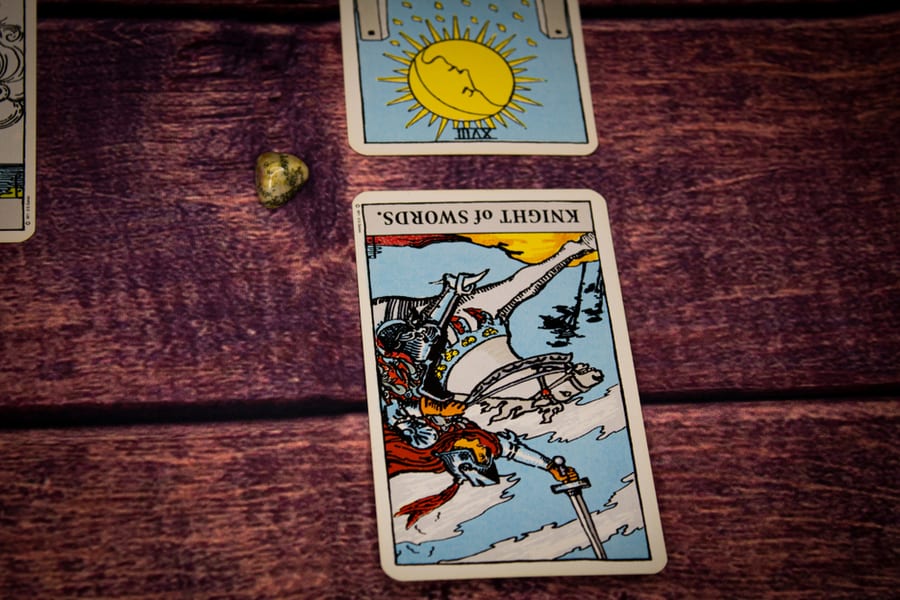
At first glance, a reversed tarot card may seem like nothing more than an inverted image. However, in tarot reading, this orientation carries significant meaning. Reversed cards are not just “negative” versions of their upright counterparts; instead, they often highlight blocked energy, internal struggles, or alternative interpretations of the card’s core message. When a card appears upside down, it suggests that the card’s energy is either suppressed, delayed, or manifesting in a less obvious way. This shift in perspective can reveal hidden challenges or opportunities that might otherwise go unnoticed.
For example, the upright Three of Cups typically represents celebration, friendship, and joy. When reversed, it might indicate gossip, overindulgence, or a lack of harmony in social circles. The reversal doesn’t negate the card’s energy but instead refines it, showing a more nuanced or challenging aspect of the situation. This duality is what makes reversed cards so valuable—they force the reader to look beyond the surface and consider the deeper layers of a reading.
Why Do Tarot Cards Appear Upside Down? Causes and Interpretations
There are several reasons why a tarot card might appear upside down during a reading. The most common cause is simply the way the cards are shuffled or drawn. Some readers shuffle in a way that naturally flips cards, while others may draw from a deck where the cards are already slightly rotated. However, the orientation isn’t random—it often carries symbolic weight. Here are the key interpretations:
- Blocked Energy: A reversed card can indicate that the card’s energy is being stifled or not flowing freely. For instance, the upright Six of Pentacles represents generosity and balance, while reversed, it may suggest financial inequality or resentment in giving or receiving help.
- Internal Conflict: Reversed cards often reflect inner turmoil or unresolved emotions. The upright Five of Swords might show competition or winning at all costs, but reversed, it could reveal guilt, regret, or a desire to make amends.
- Delayed Manifestation: Sometimes, a reversed card signals that the energy of the upright card hasn’t fully materialized yet. The upright Ten of Wands can mean carrying a heavy burden, while reversed, it may indicate the need to delegate or release control before burnout occurs.
- Alternative Paths: Reversed cards can also suggest that the situation is unfolding in a way that’s different from what the upright card traditionally represents. The upright Page of Swords might signify curiosity and new ideas, but reversed, it could point to impulsiveness or miscommunication.
Understanding these nuances allows you to tailor your interpretation to the querent’s specific circumstances, making your readings more precise and insightful.
How to Read Reversed Tarot Cards: Techniques and Tips
Reading reversed tarot cards requires a blend of intuition and structure. Here are some effective techniques to help you interpret them with confidence:
- Keyword Reversal: Start by identifying the core keywords of the upright card. Then, consider how those keywords might shift when the card is reversed. For example, the upright Eight of Cups represents walking away from something unfulfilling, while reversed, it might suggest hesitation or fear of change.
- Elemental Dignities: Analyze the element associated with the card (e.g., Cups for water, Swords for air). A reversed card in a water-dominant spread might amplify emotional blockages, while a reversed fire card (Wands) could indicate unexpressed passion or burnout.
- Card Combinations: Look at how reversed cards interact with surrounding cards. A reversed Lovers card next to the upright Two of Cups might indicate a relationship that needs healing or reconsideration, rather than just a simple “no.”
- Questioning the Querent: If you’re unsure about a reversed card, ask the querent open-ended questions. For example, if the Nine of Pentacles is reversed, you might ask, “Are you feeling unappreciated in your current situation?” This can clarify whether the reversal points to external circumstances or internal feelings.
Remember, reversed cards are not inherently “bad.” They often serve as a mirror, reflecting areas that need attention or growth. By approaching them with curiosity rather than fear, you can uncover valuable insights.
Common Misconceptions About Reversed Tarot Cards
Reversed tarot cards are often misunderstood, leading to confusion or overly negative interpretations. Here are some of the most common misconceptions and why they’re incorrect:
- Reversed Cards Are Always Negative: While reversed cards can highlight challenges, they’re not inherently bad. They often point to areas where growth is needed or where the querent has control over the outcome. For example, the reversed Chariot might indicate a lack of direction, but it also suggests that the querent can take charge and steer their life back on course.
- You Must Always Read Reversed Cards: Some readers choose to ignore reversals entirely, focusing only on upright cards. While this is a valid approach, it can lead to oversimplified readings. Reversed cards add depth and complexity, making them a useful tool for those who embrace them.
- Reversed Cards Predict Doom: Tarot is not a tool for fortune-telling but for reflection and guidance. A reversed card doesn’t mean disaster is inevitable; it means the querent should pay attention to a specific area of their life and take proactive steps. For instance, the reversed Death card doesn’t foretell literal death but may indicate the end of a phase or the need for transformation.
- Reversals Are Only for Advanced Readers: Beginners can absolutely work with reversed cards! Start by focusing on one or two cards at a time and gradually build your confidence. The more you practice, the more natural reversals will feel in your readings.
Practical Exercises to Master Reversed Tarot Cards
To deepen your understanding of reversed tarot cards, try these practical exercises:
- Daily One-Card Draw: Pull one card each day and note whether it’s upright or reversed. Journal about how the reversal changes or enhances the card’s meaning in the context of your day. Over time, you’ll develop a personal connection to how reversals manifest in your life.
- Reversed Card Pairings: Take two cards from your deck and lay them out together, one upright and one reversed. Interpret how their energies interact. For example, the upright Queen of Wands (confidence) next to the reversed Three of Swords (heartbreak) might suggest a situation where passion is met with emotional pain.
- Spread Focus: Use a simple three-card spread (past, present, future) and intentionally pull one reversed card. Notice how it shifts the narrative of the reading. Does it reveal a hidden challenge or an opportunity for growth?
- Reversed Card Meditation: Choose a reversed card that resonates with you and spend 5–10 minutes meditating on its imagery. Ask yourself: What is this card trying to tell me? How can I apply its message to my life?
Conclusion: Embracing the Power of Reversed Tarot Cards
Reversed tarot cards are not obstacles to avoid but gateways to deeper understanding. They promise a shift in perspective, urging you to look beyond the obvious and explore the hidden layers of a situation. Whether a card appears upside down due to shuffling or intentional reversal, its message is equally valuable. By learning to interpret these cards with an open mind and a curious heart, you’ll enrich your tarot practice and provide more nuanced guidance to those seeking answers.
Remember, the tarot is a tool for reflection, not a fixed prediction. Reversed cards invite you to ask questions, challenge assumptions, and embrace the complexity of life’s journey. As you continue to work with them, you’ll find that they offer clarity, wisdom, and a fresh lens through which to view your path forward.
FAQ
What are reversed tarot cards?
Reversed tarot cards are cards drawn upside down, which often carry significant alternative meanings compared to their upright counterparts.
Do reversed cards always indicate negative outcomes?
No, reversed cards can highlight challenges but also suggest areas for growth and reflection.
How should I interpret a reversed card?
Consider the core meanings of the upright card, then think about how those meanings might shift when reversed.
Leave a Reply