Short Answer
Have you ever drawn a tarot card and felt a sudden shift in energy? Perhaps the card appeared upside down, its familiar imagery twisted into something unexpected. Reversed tarot cards—often misunderstood as mere “negative” interpretations—carry a unique depth and invitation for transformation. In this guide, you’ll uncover the true meaning behind upside-down tarot cards, explore their symbolic power, and learn how to interpret their messages with clarity and confidence. Whether you’re a seasoned reader or a curious beginner, this exploration promises to deepen your understanding of tarot’s nuanced language.
What Are Reversed Tarot Cards?
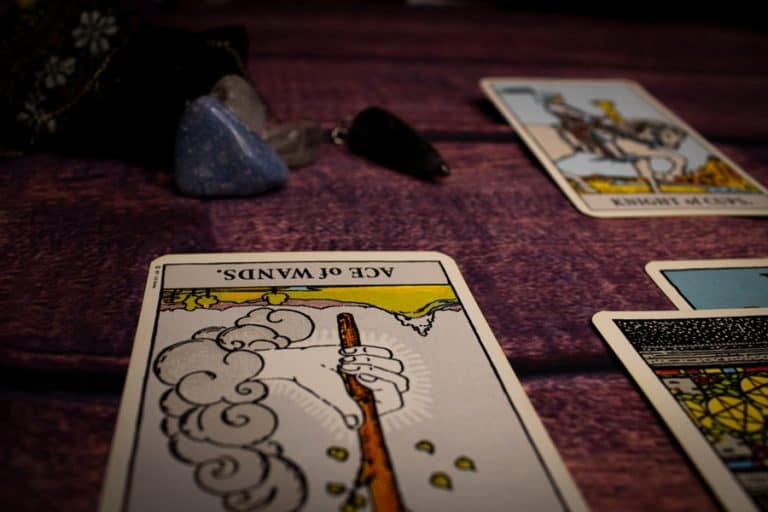
Reversed tarot cards occur when a card appears upside down during a reading, altering its traditional upright meaning. While some view reversals as inherently negative, they are better understood as indicators of blocked energy, internal resistance, or untapped potential. Each card’s reversed position invites you to look beneath the surface, revealing hidden truths or alternative perspectives. For example, the upright Three of Cups celebrates joy and community, but reversed, it may suggest overindulgence or superficial connections. The key is to recognize that reversals are not failures—they are signposts pointing toward growth.
Reversals can also highlight areas where you’re holding back, whether due to fear, self-doubt, or external pressures. They act as mirrors, reflecting aspects of your life that require attention or realignment. By embracing this perspective, you transform a seemingly “bad” card into a catalyst for change.
The Symbolism of Upside-Down Energy
The imagery of an inverted card is rich with symbolism. Upside-down objects or figures often represent disruption, inversion of values, or a need to reassess priorities. For instance, the Chariot reversed may indicate a lack of direction or inner conflict, while the Tower reversed could suggest delayed but inevitable change. The reversed High Priestess might signal ignored intuition or a disconnect from your inner wisdom.
Colors and symbols in reversed cards also take on new meanings. A card dominated by red (like the Five of Wands) may lose its fiery energy when reversed, instead pointing to avoidance or unresolved tension. Similarly, reversed court cards—such as the Page of Swords—can reflect unexpressed ideas or a tendency to overthink. These shifts in symbolism encourage you to dig deeper into the card’s essence, asking: What is this card trying to tell me that I haven’t acknowledged?
Common Misconceptions About Reversals
One of the biggest myths about reversed tarot cards is that they always signify bad luck or failure. In reality, reversals are neutral—they simply indicate a different energetic vibration. Another misconception is that reversals are universally applicable. Some readers avoid them entirely, preferring to focus on upright meanings. However, reversals can provide invaluable insights when used intentionally. For example, the Ten of Pentacles reversed might warn against financial complacency, urging you to plan for the future rather than relying on past successes.
It’s also important to avoid over-reliance on reversals. Not every card needs to be read in reverse; sometimes, the upright meaning is exactly what you need to hear. The goal is balance—using reversals as tools for reflection, not as a source of anxiety. By reframing reversals as opportunities rather than obstacles, you cultivate a healthier relationship with your tarot practice.
How to Interpret Reversed Tarot Cards
Interpreting reversed tarot cards requires a blend of intuition and structure. Start by considering the card’s upright meaning, then ask yourself how its energy might be distorted or intensified when reversed. For example, the Lovers upright represents harmony and choices, but reversed, it could highlight disharmony or a need to prioritize self-love over external validation. Pay attention to your emotional response—does the reversed card evoke relief, frustration, or curiosity?
Another approach is to look for patterns in reversed cards. If multiple reversals appear in a spread, it may indicate a theme of stagnation or internal conflict. Conversely, a single reversed card could spotlight a specific area needing attention. Tools like journaling or meditation can deepen your understanding. Write down the card’s name, its upright meaning, and your intuitive take on its reversed message. Over time, you’ll develop a personal lexicon for reversals that resonates with your unique journey.
Reversed Tarot Cards as Catalysts for Change
Reversed tarot cards often serve as wake-up calls, urging you to confront what you’ve been avoiding. The Eight of Cups reversed, for instance, might reveal a reluctance to leave a stagnant situation, while the Four of Swords reversed could signal burnout or a need to rest. These cards don’t just predict challenges—they empower you to take action. By acknowledging the reversed energy, you can break free from old patterns and embrace transformation.
Reversals can also highlight untapped potential. The Ace of Wands reversed might suggest a creative block, but it’s also an invitation to reignite your passion. Similarly, the Queen of Pentacles reversed could point to neglecting self-care, but it’s also a reminder to nurture your resources. The message is clear: reversals are not dead ends—they are detours leading to new paths.
Practical Tips for Working with Reversed Cards
To make the most of reversed tarot cards, approach them with an open mind. Avoid labeling them as “good” or “bad”; instead, see them as opportunities for growth. If a reversed card feels overwhelming, take a step back and ask: What is this card trying to teach me? Sometimes, the answer lies in the card’s shadow side—for example, the Hermit reversed might reflect isolation, but it’s also a call to seek guidance.
Experiment with different spreads to explore reversals. A simple three-card spread (past, present, future) can reveal how reversed energy has evolved in your life. Alternatively, use a “blocked energy” spread to identify areas where you’re stuck. Remember, tarot is a tool for self-discovery, and reversals are no exception. The more you practice, the more attuned you’ll become to their subtle messages.
Conclusion
Reversed tarot cards are far more than mere inversions of their upright counterparts—they are gateways to deeper understanding and transformation. By embracing their energy, you unlock hidden layers of meaning and uncover opportunities for growth. Whether a reversal signals a challenge or a hidden blessing, its message is always worth exploring. As you continue your tarot journey, let reversals remind you that even the most unexpected twists hold wisdom. Approach each card with curiosity, and you’ll find that upside-down energy is not something to fear, but something to celebrate.
FAQ
What are reversed tarot cards?
Reversed tarot cards are those that appear upside down during a reading, altering their traditional meanings and often indicating blocked energy or internal resistance.
Do reversed tarot cards always signify negative outcomes?
No, reversed tarot cards are not inherently negative; they provide different insights and can signify opportunities for growth.
Leave a Reply