Short Answer
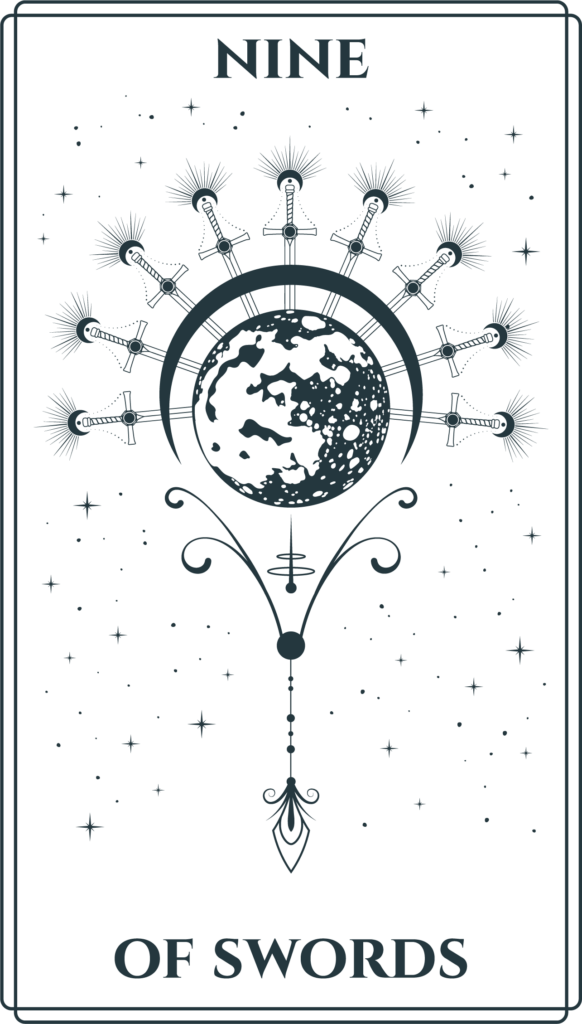
The Nine of Swords is a card steeped in symbolism—its imagery often evokes a sense of dread or anxiety. In a Christian context, this card can reflect profound themes of distress, fear, and the emotional struggles that individuals may face. Often depicted as a figure seated on a bed, hands covering their face in despair, it may raise the question: How do we reconcile these feelings of anguish with the teachings of faith? This juxtaposition offers a unique lens through which to examine the spiritual implications of this tarot card.
At its essence, the Nine of Swords is indicative of the mental anguish that stems from inner turmoil. In Christianity, the idea of suffering is a familiar doctrine. The Bible speaks to human struggle, pain, and the adversities one encounters. Jesus himself experienced profound sorrow during his crucifixion, facing not just physical pain, but the emotional and spiritual anguish that came with it. This connection underscores a critical point: suffering can be a pathway to deeper understanding and connection to the divine.
Furthermore, the Nine of Swords invites us to examine the psychological state of the figure within the imagery. Typically associated with insomnia and nightmares, it represents the worries that plague our thoughts when darkness descends. In the light of Christian teachings, these worries may symbolize a disconnection from God’s love and guidance. Could it be that the card serves as a reminder to seek solace in faith during troubled times? The notion of casting one’s cares upon the Lord is central to Christian tenets, with the promise of peace and support for those who falter.
If we consider the reversed meaning of the Nine of Swords, a transformative perspective emerges. In reversal, this card may herald the end of despair and the dawn of healing. It implies that moving beyond struggles is possible, echoing the Christian belief in redemption and renewal. This aligns with biblical verses that extol the virtues of hope and the mercies of God. However, a challenging question arises: Are we willing to surrender our fears and accept the grace extended to us?
One way to confront the Nine of Swords experience is through prayer and meditation. Engaging with God in dialogue can illuminate the path out of darkness. Just as the figure in the card may feel isolated, the act of prayer fosters a profound intimacy with God, reinforcing the understanding that one is never truly alone. This reflects the concepts encapsulated in Matthew 11:28-30, where the burdened are invited to find rest in Him. In embracing divine strength, believers can overcome their internal battles.
Moreover, the Nine of Swords also serves as a cautionary tale regarding the dangers of obsessive thought patterns. The Christian doctrine emphasizes the importance of guarding one’s mind against negativity. Philippians 4:8 encourages adhering to what is good, pure, and commendable. Recognizing harmful ruminations is essential; the arch-nemesis of faith is often rooted in fear and doubt. Hence, this card poses a reflective challenge: What thoughts are we nurturing that lead to our despair?
As we traverse the narratives interwoven within the Nine of Swords, it becomes evident that these experiences of anxiety can sometimes illuminate the beauty of community and fellowship in Christianity. Sharing struggles with a trusted group—be it a church congregation or a gathering of friends—can help dilute feelings of isolation. The emphasis on communal support speaks to the heart of the Christian message of love, compassion, and kinship. When individuals unite in prayer and support, they defy the torment highlighted in the Nine of Swords.
Analyzing this card through a Christian lens also signifies the importance of forgiveness—both towards oneself and others. Emotional suffering often stems from guilt, resentment, or unworthiness. When the Nine of Swords appears, it may beckon an introspective journey toward forgiving past transgressions. 1 John 1:9 speaks of confession leading to purification from unrighteousness. The cathartic release of fears associated with guilt allows individuals to experience the joy that accompanies true spiritual freedom.
In considering these perspectives, a rich narrative unfolds surrounding the Nine of Swords. The interplay of fear, suffering, and potential redemption draws parallels to the essence of Christian faith. It propounds ongoing reflection: How can our struggles promote growth, compassion, and a deeper relationship with God? Each card drawn is an invitation to ponder, to reflect, and to reconnect. Ultimately, it’s the journey through the dark night of the soul that can lead to the most profound revelations of divine love.
Thus, the Nine of Swords is not merely a harbinger of doom. When viewed through the prism of Christianity, it emerges as an opportunity to engage with our fears, connect with the divine, and journey towards healing and enlightenment. This transformative perspective allows believers to embrace their struggles as an essential component of their faith journey. The true challenge remains in acknowledging one’s fears, seeking God’s presence, and extending grace both to oneself and to others.
FAQ
What does the Nine of Swords tarot card represent?
The Nine of Swords represents mental anguish, fear, and emotional struggles, often related to anxiety and despair.
How can the Nine of Swords be interpreted in a Christian context?
In a Christian context, the Nine of Swords highlights themes of suffering and the potential for redemption through faith.

Leave a Reply