Short Answer
Welcome to this comprehensive guide on the significance of knocking on tarot cards. Whether you’re a seasoned tarot reader or a curious beginner, understanding this ritual can deepen your connection with the cards and enhance your readings. In the following sections, we’ll explore the meaning behind knocking on tarot cards, its historical roots, practical applications, and common misconceptions. By the end, you’ll have a clear understanding of how this simple act can open doors to new opportunities and insights.
The Symbolism Behind Knocking on Tarot Cards
Knocking on tarot cards is more than just a physical gesture—it carries deep symbolic meaning. The act of knocking is often associated with calling attention, inviting energy, or signaling a transition. In the context of tarot, it represents an acknowledgment of the cards’ power and a request for their guidance. Think of it as a way to “wake up” the energy of the deck, ensuring that the cards are receptive to your questions and intentions.
Historically, knocking has been used in various spiritual practices to invoke presence or protection. In tarot, this ritual serves a similar purpose: it clears the space for a focused and meaningful reading. By knocking, you’re essentially saying, “I’m ready to listen,” and signaling to the universe (or your higher self) that you’re open to receiving messages.
Historical and Cultural Roots of the Ritual
The practice of knocking on tarot cards has roots in both Western esoteric traditions and broader spiritual customs. In medieval Europe, knocking was often used in divination practices to “awaken” spirits or entities believed to reside within objects like crystals, mirrors, or decks of cards. Tarot, with its origins in 15th-century Italy, inherited some of these mystical practices, blending them with its own symbolic language.
In some cultures, knocking is also seen as a way to honor the cards. For example, in certain European tarot traditions, readers knock three times on the deck before shuffling to show respect to the cards and the spiritual forces they represent. This act is a reminder that tarot is not just a tool but a sacred medium for communication.
Why Do Readers Knock on Tarot Cards?
Readers knock on tarot cards for several practical and spiritual reasons. One of the most common is to clear the energy of the deck. Over time, a tarot deck can absorb the emotions and intentions of previous readings, which may cloud its clarity. Knocking helps to “reset” the energy, ensuring that the cards are fresh and ready to provide accurate guidance. This is especially important if the deck has been used frequently or if the reader feels the energy has become stagnant.
Another reason is to invite focus and intention. By knocking, the reader signals to their subconscious mind that it’s time to shift into a receptive state. This ritual can act as a mental cue, helping the reader transition from everyday thoughts into a meditative, intuitive space. It’s a way to mentally prepare and signal to the universe that you’re ready to receive messages.
Additionally, knocking can serve as a physical anchor. In a world filled with distractions, the act of knocking grounds the reader, bringing their attention fully to the task at hand. It’s a small but meaningful step that sets the tone for a productive and insightful reading.
How to Incorporate Knocking into Your Tarot Practice
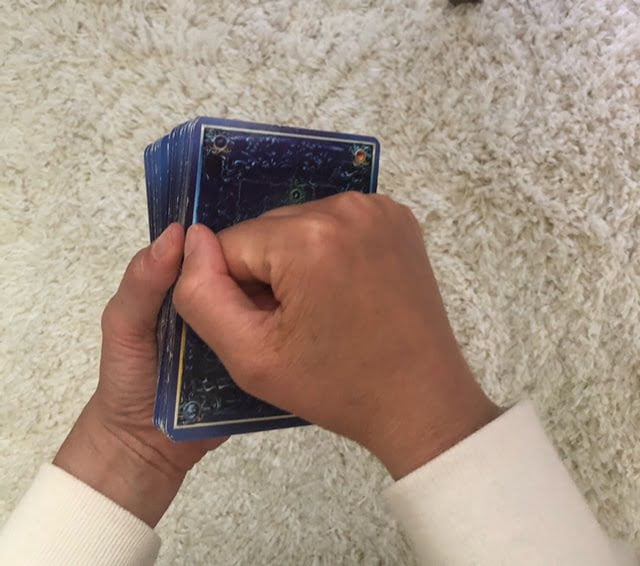
Incorporating knocking into your tarot practice is simple, but there are a few best practices to follow to maximize its benefits. Start by holding your deck in your hands and taking a few deep breaths to center yourself. Then, gently knock three times on the deck—some readers prefer knocking on the top card, while others knock on the side of the deck. The number of knocks can vary, but three is a traditional choice, symbolizing the mind, body, and spirit.
After knocking, shuffle the deck while focusing on your intention for the reading. Some readers also like to knock again after shuffling to “seal” the energy before drawing the cards. The key is consistency—if you make knocking a regular part of your ritual, it will become a powerful tool for grounding and intention-setting.
Common Misconceptions About Knocking on Tarot Cards
Despite its simplicity, knocking on tarot cards is sometimes misunderstood. One common misconception is that knocking is a superstitious act with no real purpose. In reality, the ritual serves both practical and spiritual functions, from clearing energy to setting intentions. Another misconception is that knocking is only for experienced readers. In truth, beginners can benefit just as much from incorporating this ritual into their practice, as it helps build confidence and focus.
Some people also believe that knocking is necessary for every reading. While it can be a helpful practice, it’s not a strict requirement. The most important thing is to find a ritual that resonates with you and enhances your connection to the cards. Whether you choose to knock, meditate, or use another method, the goal is to create a space that feels sacred and intentional.
Knocking as a Gateway to New Opportunities
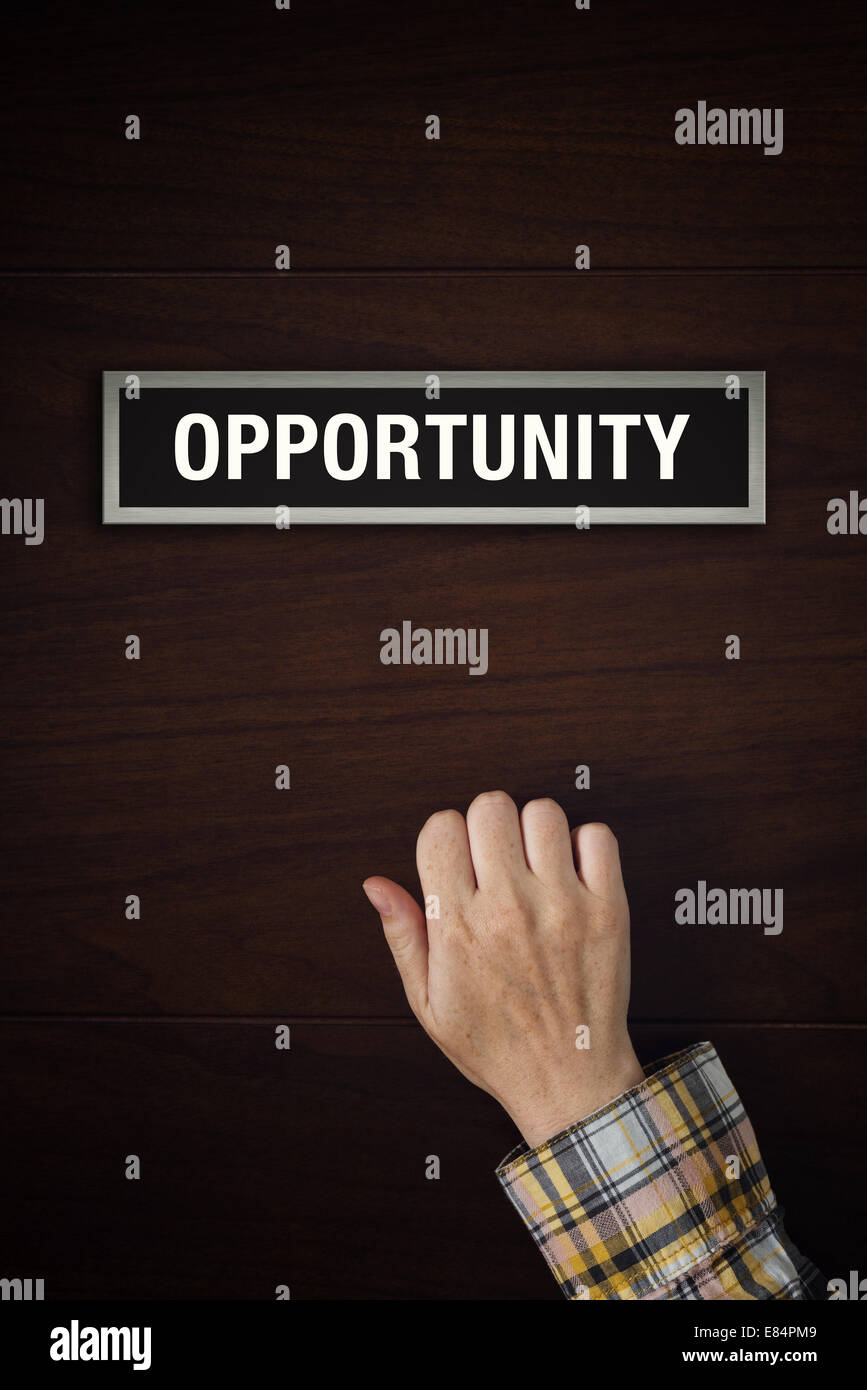
At its core, knocking on tarot cards is about opening doors—literally and metaphorically. By knocking, you’re inviting new opportunities, insights, and energies into your life. This ritual can be particularly powerful when you’re facing a decision or seeking clarity. For example, if you’re unsure about a career move, knocking on the cards can signal your readiness to receive guidance. The act itself becomes a declaration that you’re open to change and growth.
In readings, the cards that follow the knocking ritual often carry messages of opportunity, transition, or awakening. The Fool, for instance, is a card that represents new beginnings and stepping into the unknown—perfect for a reading where knocking has been used to invite fresh perspectives. Similarly, the Three of Wands can indicate expansion and looking toward the horizon, reinforcing the idea that knocking has opened a path forward.
Conclusion
Knocking on tarot cards is a small but meaningful ritual that can transform your readings. Whether you use it to clear energy, set intentions, or invite new opportunities, this act serves as a bridge between the physical and spiritual worlds. By understanding its symbolism and incorporating it into your practice, you’ll deepen your connection to the cards and enhance the clarity of your readings. Remember, the most important aspect of any tarot ritual is intention. So, the next time you pick up your deck, take a moment to knock—you might just find that opportunity is knocking right back.
FAQ
What does knocking on tarot cards signify?
It signifies inviting energy and acknowledging the cards' power.
Is knocking necessary for every tarot reading?
No, it's not required, but it can enhance focus and intention.
Leave a Reply