Short Answer
Have you ever drawn a tarot card and felt a sudden chill, as if the universe just whispered a secret you weren’t ready to hear? Reversed tarot cards are like that moment—unexpected, layered, and brimming with untold stories. They don’t just flip the script; they rewrite it entirely. In this guide, you’ll uncover the hidden language of reversed tarot cards, explore their symbolic depth, and learn how to interpret their messages with clarity and confidence. Whether you’re a seasoned reader or a curious beginner, understanding these upside-down symbols will transform your tarot practice into a journey of profound insight and self-discovery.
The Reversed Tarot Card: A Mirror to Blocked Energy
Imagine a river flowing smoothly downstream, only to hit an invisible dam. The water doesn’t stop—it swirls, churns, and seeks new paths. A reversed tarot card is that dam. It signals blocked energy, stagnation, or internal resistance that’s preventing the natural flow of life’s currents. Unlike upright cards, which radiate forward momentum, reversed cards act as mirrors reflecting what’s not working—unresolved emotions, ignored intuition, or misaligned actions.
Think of it this way: upright cards are like open doors, inviting you to step forward. Reversed cards are closed doors with a faint light flickering behind them. They don’t block you entirely; they challenge you to pause, reassess, and find another way in. This isn’t a punishment—it’s an invitation to dig deeper. Are you avoiding a truth? Holding onto a limiting belief? The reversed card holds the key to unlocking what’s been holding you back.

Why Reversed Cards Matter: The Language of Shadows
Tarot is a language of symbols, and reversed cards are its most poetic verses. They speak in metaphors—whispers of what’s lurking beneath the surface. While upright cards often represent external influences or conscious actions, reversed cards dive into the subconscious, revealing fears, doubts, and unresolved patterns. They’re not just “negative” cards; they’re truth-tellers, holding up a lantern to the parts of your journey you’ve been too afraid to examine.
For example, the upright Three of Cups celebrates joy and celebration with friends. Reversed? It might highlight loneliness, gossip, or a celebration that feels hollow. The upright Knight of Swords charges forward with determination. Reversed? It could warn of recklessness, impulsive decisions, or a battle fought without strategy. These cards don’t just flip meanings—they flip perspectives, forcing you to see the full spectrum of a situation.
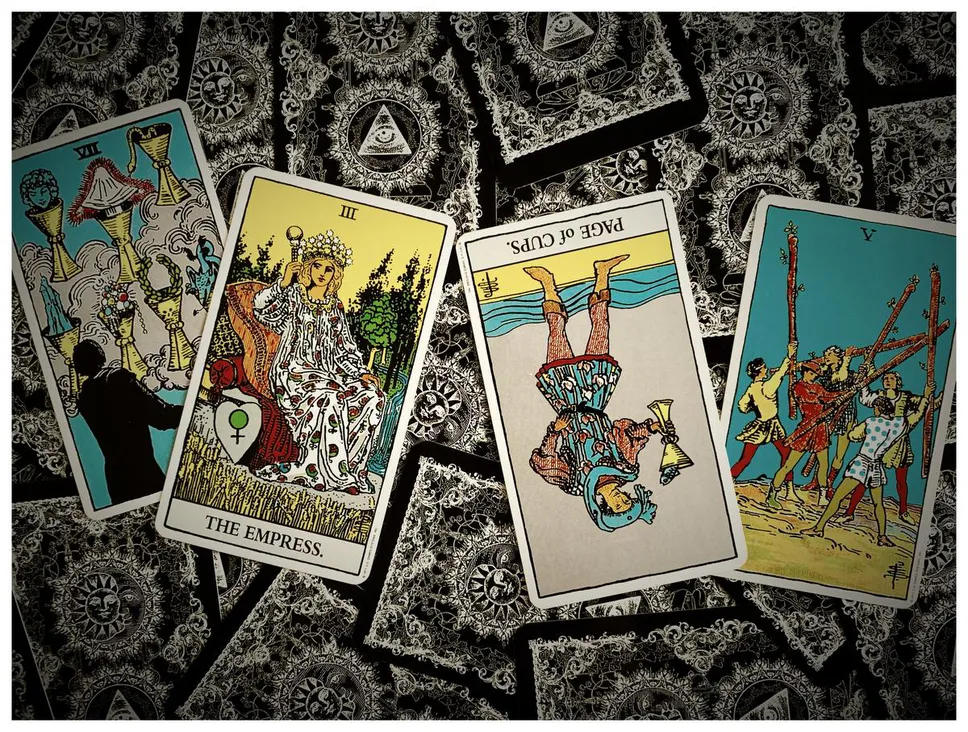
Common Misconceptions About Reversed Cards
One of the biggest myths about reversed tarot cards is that they’re “bad” or “unlucky.” This couldn’t be further from the truth. Reversed cards are simply more—more nuanced, more personal, and more revealing. They don’t predict doom; they highlight areas where growth is needed. Another misconception is that reversed cards are harder to read. While they do require more intuition, they also offer richer insights. The key is to approach them with curiosity, not fear.
Some readers choose to ignore reversed cards entirely, interpreting every card as upright. While this can simplify readings, it also strips away layers of meaning. Reversed cards are like the bassline in a song—they add depth and rhythm. Without them, the melody feels incomplete. Embracing reversed cards means embracing the full spectrum of human experience, from light to shadow, from clarity to confusion.
How to Interpret Reversed Cards: A Step-by-Step Guide
Interpreting reversed tarot cards is less about memorizing fixed meanings and more about tuning into your intuition. Here’s a simple framework to guide you:
- Step 1: Observe the Card’s Imagery
Look closely at the symbols, colors, and figures in the card. Are they distorted, faded, or facing away? These visual cues often reflect the card’s reversed meaning. For example, a reversed The Moon might show a dark, swirling figure instead of a serene one, hinting at confusion or deception. - Step 2: Check the Card’s Traditional Meaning
Start with the upright meaning, then ask: What’s the opposite, or the extreme? For instance, the upright Ten of Pentacles represents family wealth and legacy. Reversed, it could point to financial instability or a family rift. - Step 3: Listen to Your Intuition
Place your hand over the card and ask: What emotions arise? Does the card feel heavy, chaotic, or unresolved? Your gut reaction is often the most accurate guide. - Step 4: Consider the Card’s Position in the Spread
In a past-present-future spread, a reversed card in the past position might indicate a past mistake or unresolved issue. In the future position, it could suggest a challenge to overcome. - Step 5: Look for Patterns
If multiple reversed cards appear in a reading, they might highlight a recurring theme—perhaps a pattern of self-sabotage, avoidance, or miscommunication.

The Psychological and Spiritual Layers of Reversed Cards
Reversed tarot cards are deeply psychological. They mirror the parts of ourselves we suppress—fears, insecurities, and unhealed wounds. The reversed Five of Cups, for example, isn’t just about loss; it’s about grief that hasn’t been processed. The reversed Six of Swords might reveal a reluctance to move on from a painful situation. These cards act as therapists, forcing us to confront what we’ve been avoiding.
Spiritually, reversed cards are wake-up calls. They challenge us to realign with our higher selves, to release what no longer serves us, and to trust the journey even when it feels upside down. The reversed World card, for instance, could symbolize a feeling of incompleteness or a spiritual plateau. It’s a reminder that enlightenment isn’t a destination—it’s a continuous process of shedding old skins.
Practical Tips for Working with Reversed Cards
Working with reversed tarot cards is an art, not a science. Here are some practical tips to deepen your practice:
- Journal Your Readings
Keep a tarot journal to track reversed cards and their meanings in your life. Over time, you’ll notice patterns and personal symbols that resonate uniquely with you. - Use Affirmations
Pair reversed cards with affirmations to shift their energy. For example, if you draw the reversed Eight of Wands (rushing without direction), affirm: “I trust my pace and move with purpose.” - Meditate with the Card
Hold the card in your hands, close your eyes, and visualize its energy. Ask: What is this card trying to teach me? Let the answer come intuitively. - Experiment with Different Spreads
Try spreads designed for reversed cards, like the “Shadow Spread,” which focuses on hidden aspects of the self. These spreads can reveal insights you might miss in a traditional reading. - Don’t Fear the Shadow
Reversed cards are not omens of doom—they’re opportunities for growth. Approach them with an open heart and a willingness to learn.
Conclusion: Embracing the Full Spectrum of Tarot
Reversed tarot cards are the unsung heroes of the deck, the quiet voices that speak when the louder ones fall silent. They don’t just complicate readings—they enrich them, adding layers of depth, nuance, and truth. By learning to interpret these upside-down symbols, you’re not just becoming a better tarot reader; you’re becoming a better listener to your own soul.
So the next time you draw a reversed card, don’t turn away. Lean in. Ask questions. Explore the shadows. Because within those inverted images lies the key to unlocking your greatest potential. The tarot isn’t just a tool for divination—it’s a mirror for the human experience in all its complexity. And reversed cards? They’re the part of the mirror that reflects back what you’ve been too afraid to see.
FAQ
What does a reversed tarot card signify?
A reversed tarot card often indicates blocked energy, stagnation, or unresolved issues that require attention.
Are reversed tarot cards negative?
No, reversed cards are not negative; they reveal deeper insights and areas for personal growth.
How can I interpret reversed tarot cards?
Interpreting reversed cards involves observing the imagery, checking traditional meanings, listening to intuition, and considering their position in a spread.
Leave a Reply