Short Answer
Have you ever felt like life is a never-ending juggling act, where responsibilities, decisions, and unexpected challenges keep piling up? The Two of Pentacles in tarot captures this exact feeling—balancing multiple priorities while trying to maintain stability. This card often appears when you’re stretched thin, whether by work, relationships, or personal goals. But beyond the surface-level chaos, the Two of Pentacles holds deeper lessons about adaptability, resourcefulness, and the art of finding harmony in imbalance. In this guide, we’ll explore what this card means in different contexts, its upright and reversed interpretations, and how you can apply its wisdom to your life.
The Symbolism of the Two of Pentacles
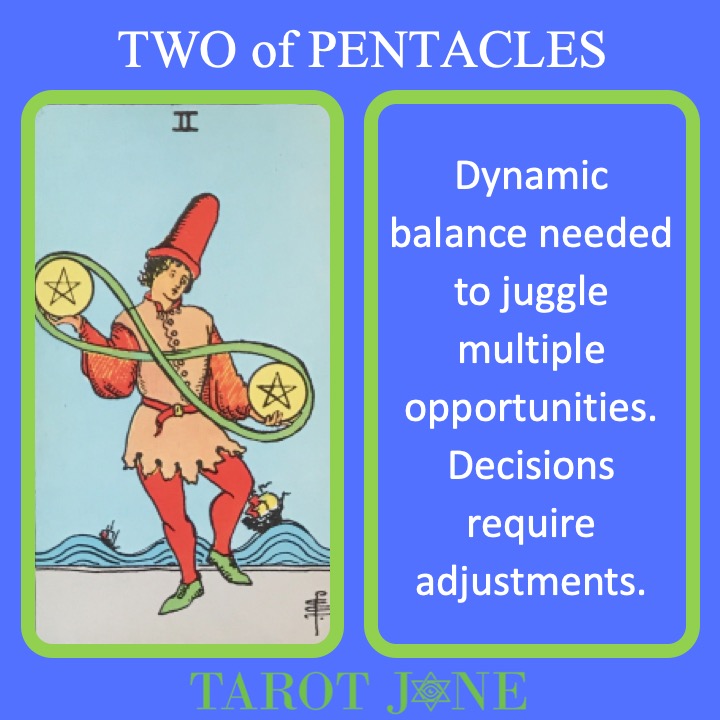
The Two of Pentacles is rich with symbolism that reflects its core themes of balance and adaptability. The card typically depicts a figure juggling two pentacles, often with waves or a yin-yang symbol in the background. The pentacles themselves represent material concerns—money, work, health, or practical matters—while the act of juggling suggests the need to manage these areas simultaneously. The waves or infinity symbol beneath the figure hint at the ebb and flow of life’s challenges, emphasizing that change is constant and must be embraced rather than resisted.
The figure’s posture often conveys a sense of motion, with one foot on land and the other in water, symbolizing the balance between stability and fluidity. This imagery underscores the card’s message: life isn’t about achieving perfect equilibrium but about learning to dance with imperfection. The Two of Pentacles invites you to see chaos not as an obstacle but as an opportunity to refine your ability to adapt and prioritize.
Upright Meaning: Juggling Chaos with Grace
When the Two of Pentacles appears upright in a reading, it’s a sign that you’re in a phase of life where multitasking and adaptability are essential. This card often highlights a period of transition, where you’re managing multiple responsibilities or dealing with fluctuating circumstances. The upright Two of Pentacles encourages you to stay flexible and resourceful, trusting that you have the skills to navigate the chaos. It’s a reminder that while life may feel overwhelming, you’re capable of finding a rhythm that works for you.
In matters of work or finances, this card suggests that you might be juggling multiple projects, deadlines, or income streams. It’s a call to prioritize and organize your tasks effectively, but also to remain open to adjustments as needed. The Two of Pentacles reassures you that setbacks are temporary and that your ability to adapt will see you through. For relationships, it may indicate balancing time between different people or commitments, emphasizing the importance of communication and compromise.
On a deeper level, the upright Two of Pentacles speaks to the human experience of constant change. It’s a card of resilience, urging you to embrace the fluidity of life rather than clinging to rigid expectations. Whether you’re facing a career shift, financial fluctuations, or personal challenges, this card reminds you that balance isn’t about perfection—it’s about flow.
Reversed Meaning: When Chaos Overwhelms
When the Two of Pentacles appears reversed, it signals a loss of balance or an inability to cope with the demands placed on you. You might feel like you’re drowning in responsibilities, unable to prioritize effectively, or struggling to keep up with life’s demands. This card in reverse can indicate procrastination, poor time management, or a tendency to spread yourself too thin. It’s a wake-up call to reassess your commitments and simplify where possible.
In financial matters, the reversed Two of Pentacles may point to financial instability or poor planning. You might be overspending, avoiding budgets, or feeling overwhelmed by debt. This card urges you to take a step back and create a structured plan to regain control. For relationships, it could suggest neglect or imbalance, where one person is giving more than they’re receiving, or where communication has broken down. The reversed Two of Pentacles is a reminder to set boundaries and focus on what truly matters.
On a psychological level, this card reversed can reflect inner turmoil—feeling scattered, indecisive, or unable to commit to a path. It’s a sign that you need to slow down, ground yourself, and address the root causes of your stress. The reversed Two of Pentacles isn’t just about external chaos; it’s also a call to restore inner harmony by letting go of what no longer serves you.

Practical Advice from the Two of Pentacles
The Two of Pentacles offers valuable lessons that can be applied to daily life, whether you’re facing a specific challenge or simply seeking to improve your adaptability. Here are some practical ways to embody the energy of this card:
- Prioritize Ruthlessly: Not all tasks or responsibilities are equally important. Learn to distinguish between what’s urgent and what can wait. Use tools like the Eisenhower Matrix to categorize your to-dos and focus on high-priority items first.
- Embrace Flexibility: Rigidity often leads to frustration. Instead of resisting change, practice adjusting your plans as needed. This could mean being open to new opportunities or simply accepting that some days will be more chaotic than others.
- Set Boundaries: Juggling too many things at once can lead to burnout. Learn to say no and delegate when possible. Protect your energy by focusing on what aligns with your goals and values.
- Practice Mindfulness: The Two of Pentacles reminds you to stay present. When you feel overwhelmed, take a moment to ground yourself. Breathwork, meditation, or even a short walk can help you regain clarity.
- Trust the Process: Life’s ups and downs are part of the journey. Trust that you have the resilience to navigate challenges, even when they feel insurmountable. Keep moving forward, even if it’s one step at a time.
Common Misconceptions About the Two of Pentacles
Despite its straightforward imagery, the Two of Pentacles is often misunderstood. One common misconception is that the card represents laziness or avoidance of responsibility. In reality, the Two of Pentacles is about the act of juggling—it acknowledges that you’re doing your best in a complex situation. Another misconception is that balance means perfection. The card’s symbolism, however, emphasizes flow over rigidity. True balance isn’t about having everything under control; it’s about adapting to the rhythm of life.
Some people also associate the Two of Pentacles solely with financial stress, but its message extends far beyond money. It’s about managing all areas of life with equal attention and care. Whether you’re balancing work, relationships, health, or personal growth, this card encourages you to find a dynamic equilibrium that works for you.
Conclusion
The Two of Pentacles is a powerful reminder that life is rarely static. It’s a card of motion, adaptability, and resilience—qualities that are essential in a world that often feels chaotic and unpredictable. Whether the card appears upright or reversed, its message is clear: you have the capacity to navigate life’s challenges with grace and resourcefulness. Instead of striving for perfect balance, embrace the art of juggling, trusting that you can adapt and thrive even in the midst of chaos.
Next time you encounter the Two of Pentacles in a reading, take it as a sign to reassess your priorities, stay flexible, and remember that imperfection is part of the journey. By embodying the spirit of this card, you’ll not only survive life’s juggling act but master it.
FAQ
What does the Two of Pentacles represent in tarot?
The Two of Pentacles represents the ability to juggle multiple responsibilities and the need for adaptability in chaotic situations.
What does the upright Two of Pentacles mean?
When upright, the Two of Pentacles indicates multitasking, adaptability, and finding balance amidst life’s chaos.
What does the reversed Two of Pentacles signify?
The reversed Two of Pentacles signals a loss of balance, indicating feelings of being overwhelmed or unable to manage responsibilities.
Leave a Reply