Short Answer
In this comprehensive guide, you’ll explore the profound symbolism behind Unity Upright and Reversed, as well as the enigmatic concept of Upside Down Zen. Discover how these states of being transcend mere physical orientation to embody deeper philosophical, spiritual, and psychological truths. Whether you’re drawn to the balance of unity or the paradox of inversion, this exploration will illuminate the hidden layers of meaning that make these concepts so intriguing. By the end, you’ll see how these ideas can reshape your perspective on balance, perception, and inner harmony.
The Symbolism of Unity: Upright and Reversed
Unity, in its upright form, represents harmony, cohesion, and the alignment of opposing forces. It is a state where elements coexist in perfect balance, much like the yin-yang symbol, where light and dark, strength and gentleness, are not in conflict but in dynamic equilibrium. When unity is upright, it signifies clarity, purpose, and the natural order of things. It’s the feeling of being whole, where every part of your life—mind, body, and spirit—works in unison.
However, when unity is reversed, it introduces a layer of complexity. A reversed unity can symbolize disruption, misalignment, or the need for reevaluation. It may represent a temporary imbalance, a phase where old structures crumble to make way for new growth. In tarot, for example, the reversed Two of Cups suggests disharmony in relationships, while the upright version celebrates deep connection. The reversed state isn’t inherently negative; it’s a call to reassess, to question whether the current unity serves your highest good. It’s the universe’s way of nudging you toward a more authentic alignment.

Upside Down: A Metaphor for Perception and Transformation
The idea of being upside down is far more than a physical inversion—it’s a metaphor for seeing the world from a new angle. Historically, cultures around the globe have used inversion as a symbol of chaos, revelation, or spiritual awakening. In dreams, being upside down often signifies a shift in priorities, a need to look at life from a different perspective, or even a subconscious rebellion against the status quo. It can represent the feeling of being disoriented, yet also the exhilaration of breaking free from conventional thinking.
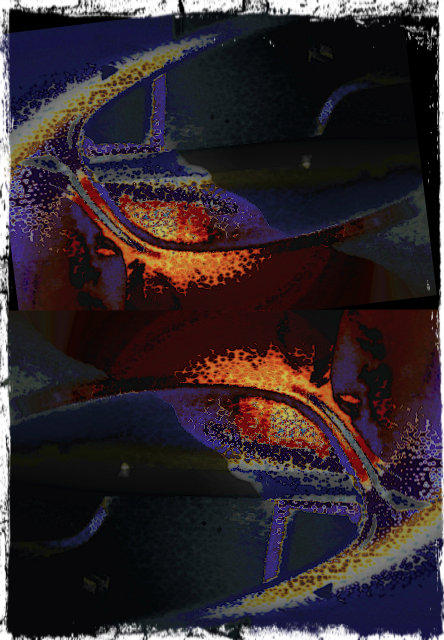
Artistically, the upside-down perspective challenges the viewer to question their assumptions. Take, for example, the piece upright and upside down by Kimberlylan, which plays with the duality of perception. One side of the image appears normal, while the other is inverted, forcing the observer to reconcile both versions. This duality mirrors life’s contradictions—how something can be both beautiful and unsettling, familiar yet alien. The upside-down state invites you to embrace the unfamiliar, to find beauty in the unconventional, and to recognize that what seems chaotic may simply be a different kind of order.
Zen and the Art of Inversion: Finding Balance in the Unbalanced
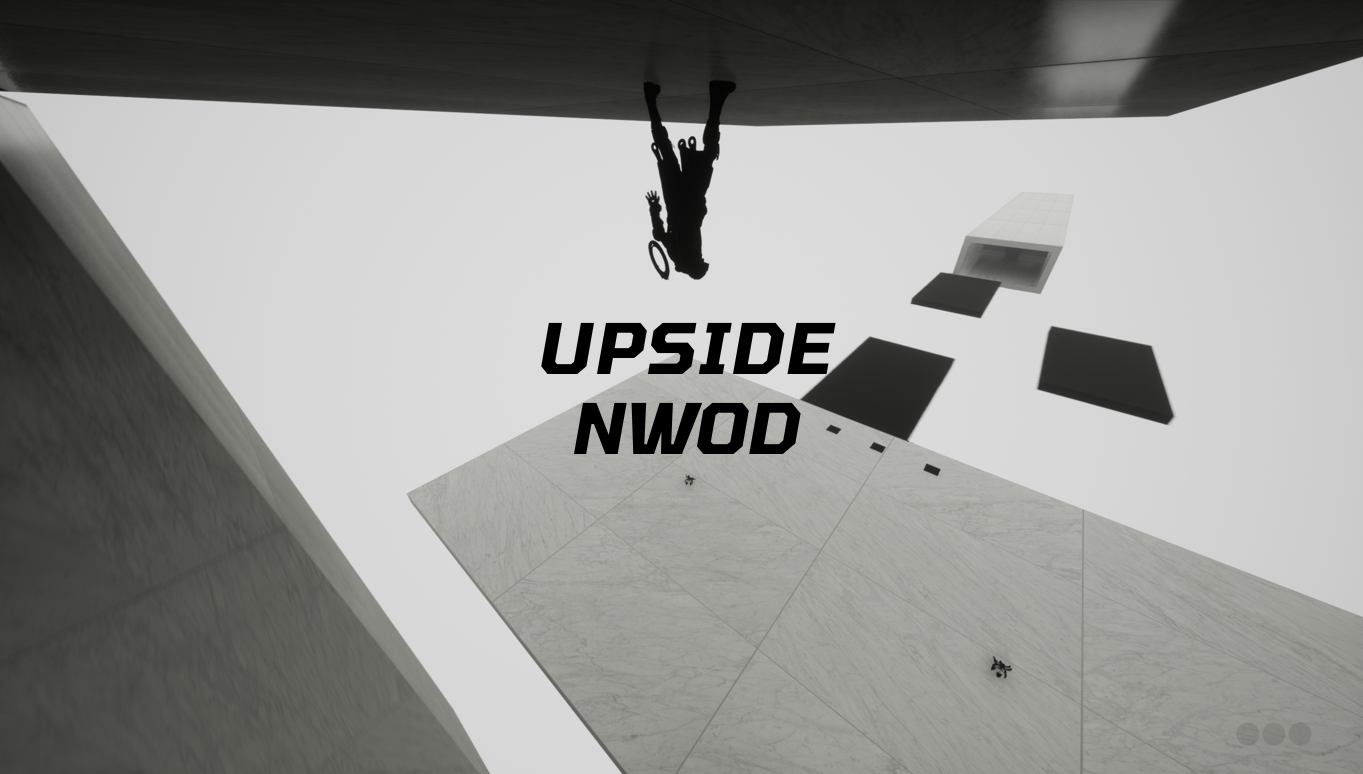
Upside Down Zen is a concept that merges the tranquility of Zen philosophy with the radical act of inversion. Zen teaches presence, acceptance, and the beauty of impermanence, while inversion challenges our rigid perceptions of reality. Together, they create a paradoxical harmony—a state where you find peace not in stability, but in the act of turning everything on its head. This idea is beautifully captured in the minimalist artwork Upside Down by itaruf, zuko, where simplicity meets inversion, evoking a sense of calm detachment from the ordinary.
In Zen practice, being upside down can symbolize shoshin (beginner’s mind)—the ability to see the world without preconceived notions. When you invert your perspective, you strip away layers of conditioning, allowing fresh insights to emerge. It’s a reminder that balance isn’t about rigid control but about fluidity. The Zen master might sit in meditation for hours, but their mind is anything but static. Similarly, an upside-down world isn’t chaotic; it’s a different kind of order, one where gravity is just a suggestion.
This philosophy extends to daily life. Have you ever felt stuck in a routine, only to find clarity after a radical change? That’s the essence of Upside Down Zen. It’s about embracing the temporary discomfort of inversion to discover deeper truths. Whether through yoga inversions (like headstands), artistic expression, or simply questioning societal norms, this practice teaches resilience and adaptability.
The Psychological and Spiritual Layers of Inversion
From a psychological standpoint, inversion can represent the subconscious mind’s way of processing what the conscious mind resists. Dreams of being upside down often correlate with feelings of powerlessness or the need to reclaim agency. In therapy, this symbolism can be explored to uncover buried emotions or unresolved conflicts. The reversed state becomes a mirror, reflecting what we’ve ignored or suppressed.
Spiritually, inversion is a powerful tool for transcendence. Many mystical traditions use inversion as a metaphor for enlightenment—turning the world upside down to see beyond its illusions. In alchemy, the nigredo (blackening) stage involves decomposition before rebirth, much like the discomfort of inversion precedes transformation. The Sufi poet Rumi often wrote about the beauty of chaos as a precursor to divine order, a sentiment echoed in the idea of Upside Down Zen.
Moreover, inversion challenges the ego’s need for control. When you willingly turn your world upside down, you surrender to a higher intelligence—whether that’s the universe, your intuition, or the collective unconscious. It’s an act of trust, a declaration that you’re willing to see life from angles you never considered before.
Practical Ways to Embrace Unity and Inversion in Daily Life
Incorporating the lessons of unity and inversion into your life doesn’t require drastic measures—small, intentional shifts can yield profound results. Start by observing where you seek rigid control. Are there areas where you resist change, even when it’s necessary? Practice perspective-taking: spend a day looking at familiar situations from an inverted viewpoint. How does it change your emotions or decisions?
For unity, focus on integration. If you feel fragmented, ask yourself what parts of your life are out of sync. Journaling, meditation, or even creative expression (like the art examples above) can help realign your energies. Try a ritual of inversion—literally stand on your head for a minute, or rearrange your workspace to disrupt your usual flow. The goal isn’t to stay upside down forever but to remind yourself that balance includes both order and chaos.
In relationships, unity reversed might signal a need for honest communication. Instead of forcing harmony, explore the discomfort. What’s the root of the misalignment? Sometimes, the most unified relationships are those that embrace their cracks, where differences are seen as complementary rather than conflicting.
Conclusion
The concepts of Unity Upright and Reversed and Upside Down Zen are more than abstract ideas—they are living metaphors for the human experience. Unity teaches us that balance is dynamic, not static, and that harmony often requires embracing imperfection. Inversion, whether literal or symbolic, is a radical act of seeing the world anew, a practice that can lead to growth, creativity, and spiritual depth. Together, these ideas remind us that life’s greatest lessons often come from the places we least expect: the upside-down moments, the reversed truths, and the disrupted patterns that force us to evolve.
As you move through your day, pay attention to the moments when your world feels tilted. Instead of rushing to right it, pause. Ask yourself: What is this inversion trying to teach me? The answer might just be the key to a deeper, more unified existence.
FAQ
What does Unity Upright signify?
Unity Upright represents harmony, cohesion, and the alignment of opposing forces, symbolizing clarity and purpose.
What is the significance of Unity Reversed?
Unity Reversed symbolizes disruption and misalignment, calling for reassessment and questioning of current unity.
What does Upside Down Zen mean?
Upside Down Zen merges Zen philosophy with inversion, emphasizing presence, acceptance, and the beauty of impermanence.
Leave a Reply