Short Answer
In this guide, you’ll explore the profound symbolism of water in tarot card readings, uncovering how it reflects emotions, intuition, and the natural flow of life. Whether you’re a seasoned tarot reader or a curious beginner, understanding water’s role will deepen your interpretations and reveal hidden layers of meaning in your spreads. You’ll learn about the emotional currents it represents, its connection to intuition, and how it mirrors the ebb and flow of personal growth. By the end, you’ll see why water holds such a captivating place in tarot—and how it can guide you toward clarity and self-discovery.
The Symbolism of Water in Tarot: A Foundation for Emotional Insight
Water in tarot is more than just a visual element—it’s a powerful symbol that embodies the depths of human emotion, the subconscious mind, and the fluidity of life’s transitions. Across the deck, water appears in various forms: as cups in the Minor Arcana, as the High Priestess’s veil, or even in the stormy seas of the Tower card. Each representation carries a unique message, but all share a common thread: water is the medium through which we process feelings, adapt to change, and connect with our inner selves.
In the Minor Arcana, the suit of Cups is entirely dedicated to water’s symbolism. These cards—Ace through Ten of Cups—reflect love, relationships, creativity, and emotional fulfillment. For example, the Three of Cups celebrates joy and community, while the Five of Cups highlights loss and regret. The presence of water in these cards isn’t coincidental; it’s a reminder that emotions are as essential to our well-being as water is to survival. Without acknowledging our feelings, we risk stagnation or, conversely, being overwhelmed by their currents.
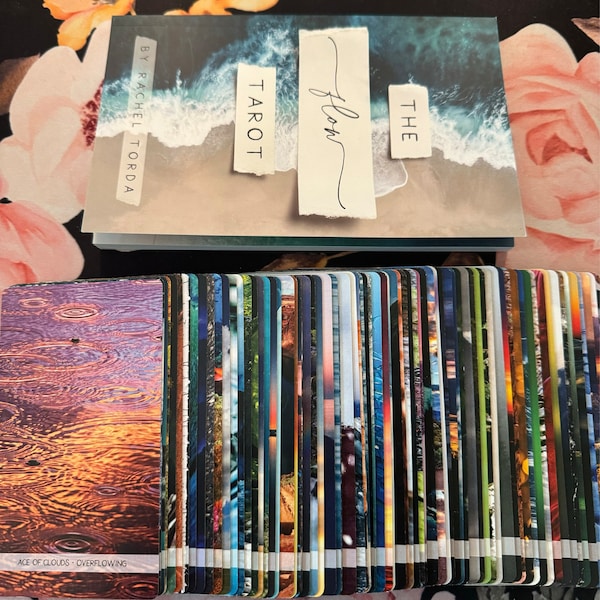
Water as a Mirror of Emotions: From Calm to Storm
One of the most compelling aspects of water in tarot is its ability to reflect the full spectrum of human emotions. A tranquil pond might represent inner peace and emotional balance, as seen in the Two of Cups, where two figures exchange a cup of water—a gesture of harmony and mutual understanding. Conversely, choppy waves or a raging sea can symbolize turmoil, as in the Five of Wands or the Nine of Swords, where conflict or anxiety disrupts the flow of life.
Water’s state—whether still, flowing, or turbulent—often mirrors the querent’s emotional landscape. For instance, the Page of Cups, with its image of a youth holding a cup from which a fish emerges, suggests emotional openness and intuitive messages. The fish, a creature of both water and air, hints at the bridge between the conscious and subconscious mind. This card encourages the querent to embrace their feelings without fear, trusting that intuition will guide them through murky waters.
Understanding these emotional currents allows tarot readers to offer more nuanced guidance. A spread dominated by water cards might indicate a need to address repressed emotions or to surrender to the natural process of healing. It’s a call to “go with the flow” rather than resist the inevitable tides of change.
The Flow of Intuition: Water’s Role in Psychic Development
Water is intrinsically linked to intuition, the sixth sense that tarot readers rely on to interpret cards and guide others. The High Priestess, one of the most iconic tarot cards, sits between two pillars with a crescent moon at her feet and a veil of water behind her. This imagery speaks to the subconscious mind’s vast, uncharted depths—where instincts, dreams, and hidden knowledge reside. The High Priestess doesn’t just represent intuition; she embodies the mystery of the unknown, inviting the querent to trust their inner voice.
Other cards reinforce this connection. The Moon card, with its eerie, watery landscape, suggests illusions, fears, and the need to navigate uncertainty. The presence of water here isn’t just decorative; it’s a warning to tread carefully in emotional or psychic waters. Meanwhile, the Star card, often depicted with a figure pouring water onto land and a pool at her feet, symbolizes hope, inspiration, and the renewal of faith. Water, in this context, is the medium through which divine guidance flows into the material world.
For those developing their psychic abilities, water-themed meditations or rituals can be particularly effective. Visualizing a stream of clear water washing over you during a reading can help clear mental clutter, while focusing on a still lake can enhance receptivity to intuitive messages. Water, in all its forms, is a tool for deepening one’s connection to the unseen realms.
Water and Change: The Inevitability of Flow
One of water’s most profound lessons in tarot is its relationship with change. Unlike land, which is fixed and unyielding, water is ever-moving, adapting to its surroundings. This fluidity is reflected in cards like the Eight of Cups, where a figure walks away from a stack of cups into the unknown, or the Hanged Man, suspended in a state of surrender. Both cards teach that growth often requires releasing what no longer serves us—whether it’s old emotions, relationships, or limiting beliefs.
Water’s adaptability is also evident in the Ten of Cups, where a family celebrates under a rainbow, their joy flowing like a river. This card isn’t just about happiness; it’s about the natural progression of life cycles. Families grow, emotions shift, and circumstances change—all of which are as inevitable as the tides. The Ten of Cups reassures the querent that even in flux, there is beauty and fulfillment to be found.
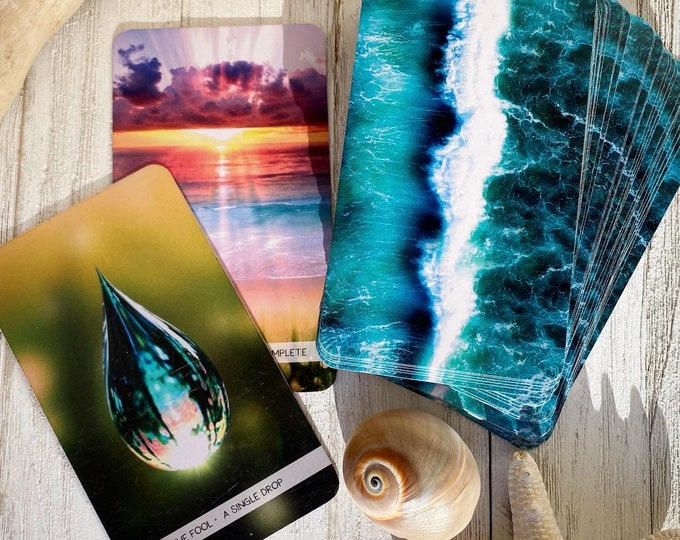
In contrast, cards like the Tower or the Ten of Swords depict sudden, disruptive change—often represented by crashing waves or a stormy sea. These cards remind us that while water can be gentle, it can also be destructive. The lesson here is not to fear change but to respect its power. By learning to “swim” rather than resist, the querent can navigate life’s upheavals with greater resilience.
Practical Tips for Reading Water Cards
Interpreting water cards effectively requires a blend of intuition and structural understanding. Here are some practical tips to enhance your readings:
- Observe the Water’s State: Is it calm, turbulent, or frozen? Each state offers clues about the querent’s emotional state. For example, a frozen lake (as in the Four of Cups) might indicate emotional numbness or detachment, while a raging river (like the Chariot) could signal determination amid chaos.
- Note the Presence of Life: Water is rarely depicted alone in tarot. Look for fish, cups, or figures interacting with it. A fish emerging from a cup (Page of Cups) suggests new emotional insights, while a cup overflowing (Ace of Cups) may indicate abundance or emotional release.
- Consider the Surrounding Cards: Water cards in a spread often amplify the themes of nearby cards. For instance, if the Three of Cups (celebration) appears next to the Five of Cups (loss), the reading might highlight the bittersweet nature of joy and sorrow coexisting.
- Trust Your Intuition: Water’s symbolism is deeply personal. If a card resonates with you on a visceral level, explore why. Your emotional response is often the most accurate guide to its meaning.
Conclusion
Water in tarot is a multifaceted symbol that transcends its literal representation. It is the language of emotions, the vessel of intuition, and the force of change—all of which are essential to the human experience. By studying water’s role in the cards, you gain a deeper understanding of the querent’s emotional landscape and the universal rhythms of life. Whether you’re drawn to the serene depths of the High Priestess or the tumultuous waves of the Tower, water invites you to embrace both the light and shadow of your inner world.
Next time you encounter a water card in a reading, pause to consider its message. Is it asking you to flow with life’s changes, to trust your intuition, or to confront suppressed emotions? The answers lie not just in the cards, but in the ever-moving, ever-changing waters of your own heart.
FAQ
What does water represent in tarot symbolism?
Water represents the emotional and intuitive aspects of the querent’s life, symbolizing feelings, subconscious mind, and the natural flow of life's changes.
Why is the Cups suit associated with water?
The Cups suit is linked to water because it embodies emotions, relationships, creativity, and emotional fulfillment, all symbolized by water’s fluid nature.
How does water influence tarot readings?
Water cards help readers understand the querent’s emotional state and intuition, and often signal the need to embrace change or healing.
Which Major Arcana cards emphasize water symbolism?
Key cards include The High Priestess, The Moon, The Star, and The Tower, each using water to convey intuition, mystery, hope, or upheaval.
How can I better interpret water cards in tarot spreads?
Consider the water’s state, accompanying symbols, relationship with surrounding cards, and trust your intuitive reactions to the imagery.
Leave a Reply