Short Answer
This guide explores the concept of the Tax Collector Tarot card—a symbolic representation of debts, obligations, and the deeper reasons behind society’s fascination with financial accountability. You’ll discover how this card reflects personal and collective responsibilities, the psychological weight of what we owe, and why it resonates across cultures and historical contexts. By the end, you’ll understand its relevance in both spiritual and practical life.
The Tax Collector Tarot: A Symbol of Debt and Duty
The Tax Collector Tarot card is not a traditional card in standard decks like the Rider-Waite or Tarot de Marseille, but it emerges as a powerful archetype in modern interpretations, particularly in decks focused on financial or karmic themes. It represents the moment when what you owe—whether money, time, energy, or emotional labor—comes due. Unlike the Justice card, which emphasizes balance and fairness, the Tax Collector Tarot card zeroes in on the inevitability of repayment and the often-uncomfortable reckoning that follows.
At its core, this card asks: What do you owe, and to whom? It forces a confrontation with delayed responsibilities, unpaid dues, or even the emotional debts we carry toward ourselves or others. The imagery typically associated with this card includes a stern figure demanding payment, a ledger of unpaid bills, or a scale tipping under the weight of obligations. These visuals underscore the tension between avoidance and accountability.
Why Society Fixates on the Tax Collector Archetype
One of the most striking observations about the Tax Collector Tarot card is its persistent presence in cultural narratives—from ancient tax farmers in Mesopotamia to modern IRS agents. This fixation reveals a collective anxiety about fairness, scarcity, and the consequences of evasion. Taxes, in particular, are a universal experience: everyone pays them, yet few enjoy the process. The card taps into this primal discomfort, framing debt not just as a financial issue but as a moral and spiritual one.
Psychologically, the Tax Collector Tarot card mirrors the shadow self—the parts of us that avoid responsibility or exploit systems. It’s the voice that whispers, “I’ll pay it later,” only to be met with the harsh reality of compounded interest, penalties, or guilt. This archetype also highlights how society externalizes guilt: we blame tax collectors for our own avoidance, forgetting that they are merely enforcers of rules we collectively agreed upon.
The Tax Collector in Historical and Spiritual Contexts
Historically, tax collectors have been both vilified and revered. In ancient Rome, publicans (tax farmers) were often corrupt, enriching themselves at the expense of citizens—a reputation that lingers in the biblical story of Zacchaeus, the tax collector who sought redemption. Similarly, in medieval Europe, tax collectors were symbols of oppressive feudal systems, sparking revolts like the Peasants’ War. These narratives show how the Tax Collector Tarot card isn’t just about money; it’s about power, oppression, and the struggle for autonomy.
Spiritually, the card aligns with concepts of karma or cosmic balance. In Eastern traditions, the idea of dharma (duty) and karma (consequences) mirrors the Tax Collector’s role: what you sow, you reap. The card becomes a reminder that debts—whether financial, emotional, or karmic—are not erased but transformed. This perspective shifts the focus from punishment to growth, suggesting that paying what you owe is an act of liberation rather than submission.
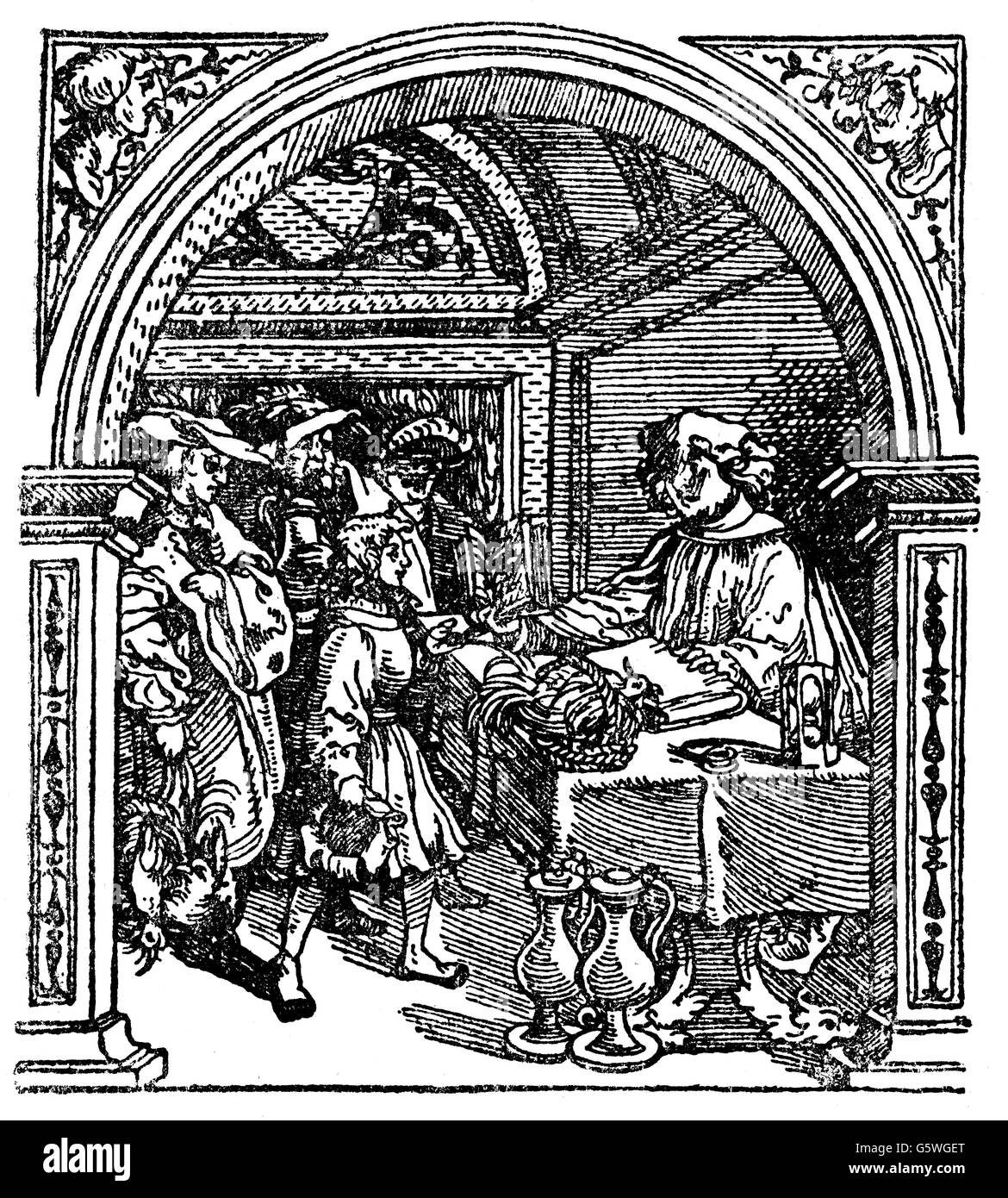
In tarot spreads, the Tax Collector card might appear when you’re avoiding a bill, procrastinating on a project, or neglecting a relationship. Its presence signals that the universe (or your subconscious) is calling for resolution. Ignoring it only deepens the weight of the debt, while addressing it—even partially—can restore a sense of equilibrium.
Practical Applications: How to Work with the Tax Collector Energy
Encountering the Tax Collector Tarot card in a reading is an invitation to audit your life. Start by listing what you owe: unpaid invoices, overdue apologies, neglected self-care, or even unfulfilled dreams. The card doesn’t demand perfection—just honesty. Break down overwhelming debts into manageable steps, prioritizing high-interest areas (literally or metaphorically).
For financial debts, consider negotiating payment plans or seeking professional advice. Emotionally, the card might ask you to confront a grudge or unspoken expectation. Rituals can help: burning a list of debts (safely), creating a vision board for repayment, or meditating on the concept of enough. The goal isn’t self-flagellation but alignment—realigning your actions with your values.
If the card appears in a career reading, it could signal unpaid dues in your professional life, such as undervalued work or missed opportunities. Conversely, it might warn against exploiting loopholes or cutting corners, reminding you that integrity compounds over time. In relationships, the Tax Collector card could highlight one-sided dynamics where you’ve taken more than you’ve given.
The Deeper Fascination: Why This Card Resonates Across Cultures
The enduring appeal of the Tax Collector archetype lies in its universality. Every culture has a version of this figure: the karmic accountant in Hinduism, the reaper of debts in Norse mythology, or the bureaucrat of the afterlife in Egyptian texts. This consistency suggests that the card taps into a fundamental human experience—the fear of being held accountable and the hope of redemption.
Modern capitalism has amplified this fascination, turning debt into a tool of control and identity. Credit scores, student loans, and medical bills shape lives in ways that feel inescapable. The Tax Collector Tarot card becomes a counterbalance, offering a spiritual lens to reframe debt as a teacher rather than a tyrant. It asks: What can you learn from what you owe? Perhaps the lesson is discipline, perhaps it’s forgiveness, or perhaps it’s the courage to walk away from systems that exploit you.
Art and media reflect this obsession. Films like *The Tax Collector* (2020) portray collectors as both villains and tragic figures, while shows like *Breaking Bad* explore the moral decay of avoiding financial (and moral) debts. Even in children’s stories, the tax collector is often the antagonist—a greedy figure who must be outsmarted. These narratives reveal our collective ambivalence: we resent the collector but secretly admire their resolve.
Conclusion
The Tax Collector Tarot card is more than a metaphor for unpaid bills; it’s a mirror held up to society’s relationship with debt, duty, and justice. Its power lies in its ability to expose the cracks in our facades, whether personal or systemic. By engaging with this archetype, we’re invited to confront what we owe—not just to others, but to ourselves—and to recognize that repayment, in all its forms, is a path to freedom.
Next time you encounter this energy, whether in a tarot spread, a financial setback, or a moral dilemma, pause and ask: What is the true cost of what I’m avoiding? The answer might be the first step toward balance.
FAQ
What does the Tax Collector Tarot card represent?
The Tax Collector Tarot card represents debts, obligations, and the importance of confronting what you owe, both financially and emotionally.
How can the Tax Collector Tarot card be interpreted in a reading?
In a reading, this card may signify the need to address overdue responsibilities or emotional debts, urging a confrontation with accountability.
Leave a Reply