Short Answer
Are you feeling stuck in a situation where you’re questioning whether to push forward or surrender? The Hanged Man tarot card might be nudging you to pause and reconsider your approach. This guide dives deep into the symbolism, meanings, and practical insights of The Hanged Man, helping you decode whether it’s a call for sacrifice or a sign you’re stalling. By the end, you’ll have a clearer perspective on how to interpret this card in your readings and life.
The Hanged Man: A Card of Paradox
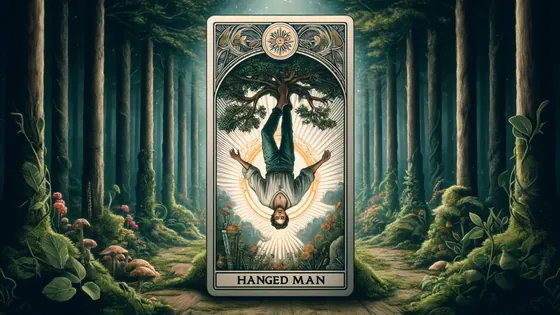
The Hanged Man is one of the most enigmatic cards in the tarot deck, often leaving querents puzzled. Unlike cards that depict action or clarity, The Hanged Man shows a figure suspended upside down, tied to a wooden post. This pose isn’t one of struggle but of surrender—a deliberate choice to see the world from a different angle. The card challenges the conventional notion of progress, suggesting that sometimes, stepping back or pausing can lead to greater insights.
At its core, The Hanged Man embodies the idea of voluntary sacrifice for a higher purpose. The figure’s calm demeanor contrasts with the discomfort of the position, hinting that what appears to be a setback might actually be a strategic move. This card often appears when you’re at a crossroads, urging you to reflect rather than act impulsively. It’s a reminder that not all delays are negative; some are necessary for growth.
Symbolism in The Hanged Man: Decoding the Details
The imagery of The Hanged Man is rich with symbolism, each element offering clues to its deeper meaning. The figure’s upside-down position is the most striking feature. In tarot, inversion often represents a shift in perception or a need to look at things differently. It’s as if the world is turned on its head, and what once seemed clear now requires a fresh lens. This can apply to situations where you’re feeling trapped or unable to move forward—perhaps a relationship, career, or personal goal.
The wooden post to which the figure is tied symbolizes stability and support. Despite the apparent lack of control, there’s an underlying structure that keeps the figure safe. This suggests that even in moments of surrender, there’s a foundation to rely on. The halo around the figure’s head is another key detail, often interpreted as enlightenment or a higher state of awareness. It implies that the sacrifice or pause is not in vain but serves a greater purpose.
The colors in The Hanged Man also play a role in its interpretation. The blue sky in the background represents calmness and clarity, while the green of the trees symbolizes growth and renewal. Together, these colors reinforce the idea that what feels like a standstill is actually a period of preparation for something new. The card’s overall message is one of patience and trust in the process, even when the outcome isn’t immediately visible.

Sacrifice vs. Stalling: How to Tell the Difference
One of the biggest challenges when interpreting The Hanged Man is distinguishing between a necessary sacrifice and unproductive stalling. The card’s energy is all about voluntary surrender, but how do you know if you’re making a conscious choice or simply avoiding action? The key lies in the intention behind the pause. If you’re delaying out of fear, avoidance, or lack of motivation, The Hanged Man might be highlighting an area where you need to take responsibility. However, if you’re pausing to gain clarity, reassess your path, or align with a higher purpose, the card is likely encouraging you to embrace the stillness.
Ask yourself: Are you sacrificing something meaningful for a greater good, or are you stuck in a cycle of procrastination? The Hanged Man thrives in situations where you’re choosing discomfort for a transformative outcome. For example, leaving a toxic job to pursue a passion project or taking a break from a relationship to focus on self-growth are acts of sacrifice that align with the card’s energy. On the other hand, if you’re avoiding a difficult conversation or delaying a decision out of fear, The Hanged Man might be a wake-up call to break the pattern.
Another way to differentiate is by examining the emotions tied to the situation. Sacrifice often comes with a sense of purpose or even relief, despite the temporary pain. Stalling, however, is usually accompanied by frustration, anxiety, or a nagging feeling that you’re not where you should be. The Hanged Man invites you to confront these emotions and decide whether your pause is serving a higher goal or merely postponing the inevitable.
Practical Applications: How to Work with The Hanged Man
When The Hanged Man appears in a reading, it’s an invitation to shift your perspective and embrace a period of reflection. Here are some practical ways to work with its energy:
- Pause and Reflect: Instead of rushing to solve a problem, take time to observe it from different angles. Journaling or meditation can help you see the situation more clearly.
- Reevaluate Your Goals: Are your current actions aligned with your long-term vision? The Hanged Man encourages you to question whether you’re on the right path or if adjustments are needed.
- Embrace Discomfort: Growth often comes from stepping outside your comfort zone. If you’re resisting change, consider what you might be avoiding and why.
- Trust the Process: Sometimes, the best course of action is to wait and allow things to unfold naturally. The Hanged Man reminds you that not all progress is linear.
In relationships, The Hanged Man might suggest taking a step back to gain clarity or reassess your needs. In career matters, it could indicate a need to pause before making a big decision. The card’s message is universal: trust that the delay is serving a purpose, even if it’s not immediately obvious.
Common Misconceptions About The Hanged Man
The Hanged Man is often misunderstood, leading to misinterpretations that can cloud its true meaning. One common misconception is that the card represents failure or punishment. In reality, The Hanged Man is about choice and perspective. The figure’s upside-down position isn’t a punishment but a deliberate act of seeing the world differently. Another misconception is that the card always signifies a need to sacrifice. While sacrifice is a key theme, it’s not always about giving up something tangible—it can also mean sacrificing old beliefs or patterns that no longer serve you.
Some people also associate The Hanged Man with stagnation, interpreting it as a sign to give up. However, the card’s energy is about transformation, not defeat. It’s a call to surrender to the process, knowing that what feels like a standstill is actually a period of preparation. By reframing your mindset, you can see The Hanged Man as a guide rather than a warning.
Conclusion
The Hanged Man tarot card is a powerful reminder that sometimes, the best way forward is to pause and reconsider your approach. Whether it’s a call for sacrifice or a nudge to stop stalling, this card challenges you to see the world from a new angle. By embracing the stillness and trusting the process, you open yourself up to growth and transformation. Next time The Hanged Man appears in your reading, ask yourself: Am I sacrificing for a higher purpose, or am I avoiding what needs to be done? The answer might just change your perspective—and your path—forever.

Leave a Reply