Short Answer
Have you ever shuffled a deck of tarot cards, drawn a spread, and wondered, “What on earth does this mean?” You’re not alone. Tarot readings can feel like deciphering a secret language—full of symbols, archetypes, and intuitive whispers. But what if those cards aren’t just random images? What if they’re actually speaking to you, offering guidance, warnings, or even playful challenges? In this guide, we’ll explore how to interpret tarot card readings with clarity and confidence. You’ll learn how to pose meaningful questions, recognize patterns, and unlock the deeper messages hidden within each card. Whether you’re a curious beginner or a seasoned reader, this journey will transform the way you see tarot—from a mysterious puzzle to a powerful tool for self-discovery.
Why Tarot Readings Feel Like a Mystery—and How to Solve It
At first glance, tarot cards seem like a collection of vivid illustrations: swords, cups, wands, and pentacles swirling with characters, animals, and landscapes. But their true power lies in the stories they tell. Each card is a snapshot of a moment—whether it’s a challenge, an opportunity, or a hidden truth. The challenge? Interpreting those snapshots without projecting your own biases or fears onto them.
For example, drawing The Tower might make you panic—until you realize it’s not predicting doom, but signaling a necessary upheaval. The key is to approach each reading with an open mind and a playful curiosity. Ask yourself: “What is this card trying to show me?” rather than “What do I fear this means?” The more you practice, the more the cards will reveal their language to you.
How to Pose the Right Question for a Meaningful Reading
Tarot thrives on intention. A vague question like “Will I find love?” might yield a vague answer. Instead, try framing your query with specifics: “What do I need to know about my current relationship?” or “How can I attract more joy into my life this month?” The clearer your question, the clearer the cards’ response.
But here’s a playful twist: sometimes the cards answer the question you didn’t ask. For instance, if you ask about career growth and draw The Hermit, the message might be about introspection rather than promotion. This is where intuition comes in. Trust your gut feeling when a card’s meaning feels personal or unexpected. The tarot often works like a mirror, reflecting back what you need to see—not what you expect.
Decoding the Major Arcana: The Big Life Lessons
The Major Arcana consists of 22 cards, each representing a significant life theme or spiritual lesson. These cards often appear when you’re at a crossroads or facing a major transformation. For example:
- The Fool – A new beginning, spontaneity, or taking a leap of faith.
- The Lovers – Choices, relationships, or alignment with your values.
- Death – Not literal death, but endings, change, or rebirth.
When these cards show up in a reading, pay attention. They’re not predicting the future but highlighting the energy surrounding your situation. Ask: “What is this card encouraging me to embrace or release?”
Understanding the Minor Arcana: The Everyday Details
While the Major Arcana deals with grand themes, the Minor Arcana focuses on daily life—relationships, work, challenges, and small victories. Divided into four suits (Wands, Cups, Swords, Pentacles), each suit corresponds to an element and a facet of human experience:
- Wands (Fire) – Creativity, passion, ambition.
- Cups (Water) – Emotions, love, intuition.
- Swords (Air) – Intellect, conflict, communication.
- Pentacles (Earth) – Money, health, stability.
For example, drawing the Three of Cups might suggest celebration with friends, while the Five of Pentacles could indicate financial stress. The Minor Arcana cards often provide practical advice, so don’t overlook their messages!
Reading Card Positions: The Language of Spreads
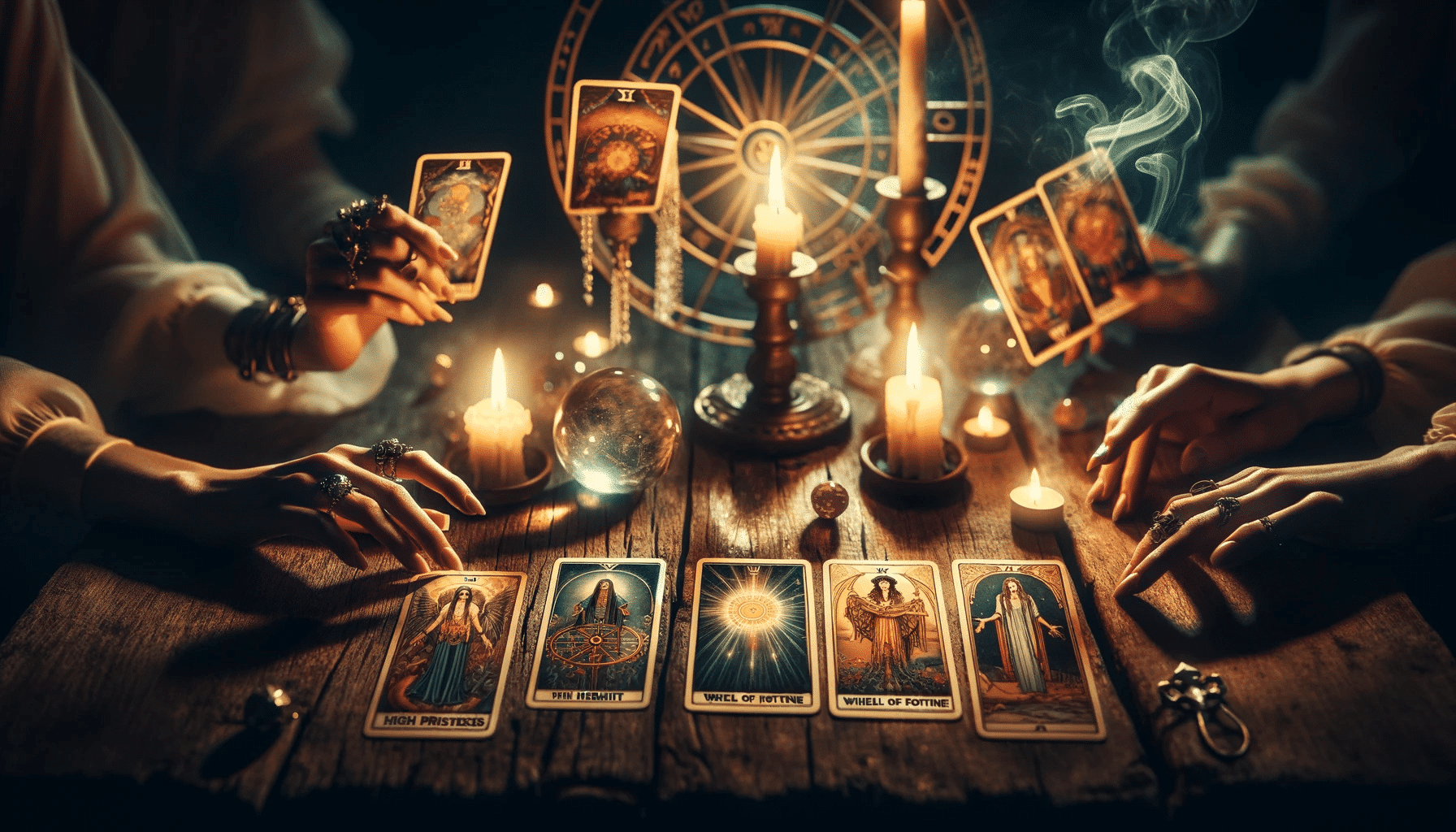
Tarot spreads (the arrangement of cards) add another layer of meaning. A simple three-card spread—Past, Present, Future—offers a timeline of events. But spreads can be as complex as you like, with positions representing challenges, influences, or hidden factors. For instance:
- Card 1 (Situation) – The core issue.
- Card 2 (Obstacle) – What’s blocking you.
- Card 3 (Advice) – How to move forward.
Experiment with different spreads to see what resonates. Some readers use a single card for daily guidance, while others prefer a Celtic Cross for deep dives. The positions act as a roadmap, guiding you through the reading’s narrative.
Intuition vs. Traditional Meanings: Finding Your Balance
Some tarot readers swear by traditional card meanings, while others rely entirely on intuition. The truth? Both approaches work. Start by learning the classic interpretations, then let your intuition fill in the gaps. For example, if The Empress appears and you feel a surge of warmth, the card might be affirming your nurturing side. Trust those gut reactions—they’re often the tarot’s way of speaking directly to you.
Try this exercise: Shuffle your deck and pull one card. Close your eyes, hold it to your heart, and note the first word or image that comes to mind. Compare it to the traditional meaning. You might be surprised by how aligned they are!
Common Tarot Challenges—and How to Overcome Them
Even experienced readers hit snags. Here are a few challenges and how to tackle them:
- Reversed Cards – Some readers see reversals as blocked energy, while others interpret them as internalized messages. If you’re unsure, ask the card: “What’s the opposite of this energy?”
- Too Many Similar Cards – If three Wands appear in a row, the message is likely about expansion or long-term goals. Repetition is the tarot’s way of emphasizing a point.
- Feeling Stuck – If a reading feels unclear, take a break and revisit it later. Sometimes the subconscious needs time to process.
Practical Tips for Accurate and Insightful Readings
Want to refine your tarot skills? Try these tips:
- Keep a Journal – Record your readings, card combinations, and interpretations. Over time, you’ll spot patterns and growth.
- Cleanse Your Deck – Physically or energetically clear your cards before readings to remove lingering energies.
- Use a Guidebook (Then Forget It) – Start with a guidebook to learn meanings, but eventually, let the cards speak for themselves.
- Practice Regularly – Pull a daily card or read for friends to build confidence.

Conclusion: Your Tarot Journey Awaits
Tarot is more than a divination tool—it’s a conversation with your subconscious, a mirror for your soul, and a playful guide through life’s twists. The more you engage with the cards, the more they’ll reveal their wisdom. Remember: there’s no single “correct” way to interpret a reading. Whether you see the cards as archetypes, symbols, or intuitive messages, the key is to stay curious and open.
So, the next time you draw a spread, ask yourself: “What story is trying to unfold here?” Then listen—not just to the cards, but to your own inner voice. The tarot is waiting to play along.
FAQ
What is a tarot card reading?
A tarot card reading involves interpreting a spread of tarot cards to gain insights into personal situations and questions.
How do I ask a good question in a tarot reading?
Frame your questions with clarity and intention, focusing on specifics rather than vague inquiries.
What is the difference between Major and Minor Arcana?
The Major Arcana represents significant life themes and lessons, while the Minor Arcana focuses on daily experiences and challenges.
How can I improve my tarot reading skills?
Practice regularly, keep a journal of your readings, and trust your intuition alongside traditional card meanings.
Leave a Reply