Short Answer
In this comprehensive guide, you will explore the enigmatic figure of the Joker in Tarot, uncovering whether this card embodies chaos as a trickster or reveals hidden truths. You’ll learn about the Joker’s symbolism, its role in different Tarot decks, and how to interpret its meaning in readings. We’ll also delve into historical influences, psychological perspectives, and practical applications for both beginners and experienced readers. By the end, you’ll have a deeper understanding of this mysterious card and how it can enrich your Tarot practice.
The Joker in Tarot: An Overview
The Joker is a unique and often misunderstood card in Tarot. Unlike the traditional Major Arcana, which follows a structured narrative from The Fool to The World, the Joker stands apart as a wildcard. Its presence in a reading can signify unpredictability, transformation, or a shift in perspective. The Joker’s role is not fixed; it adapts to the context of the spread and the questions asked. Some decks include the Joker as part of the Major Arcana, while others treat it as an additional card or even a separate entity. Its ambiguity makes it one of the most intriguing cards to interpret.
Symbolism and Imagery: Decoding the Joker’s Visual Language
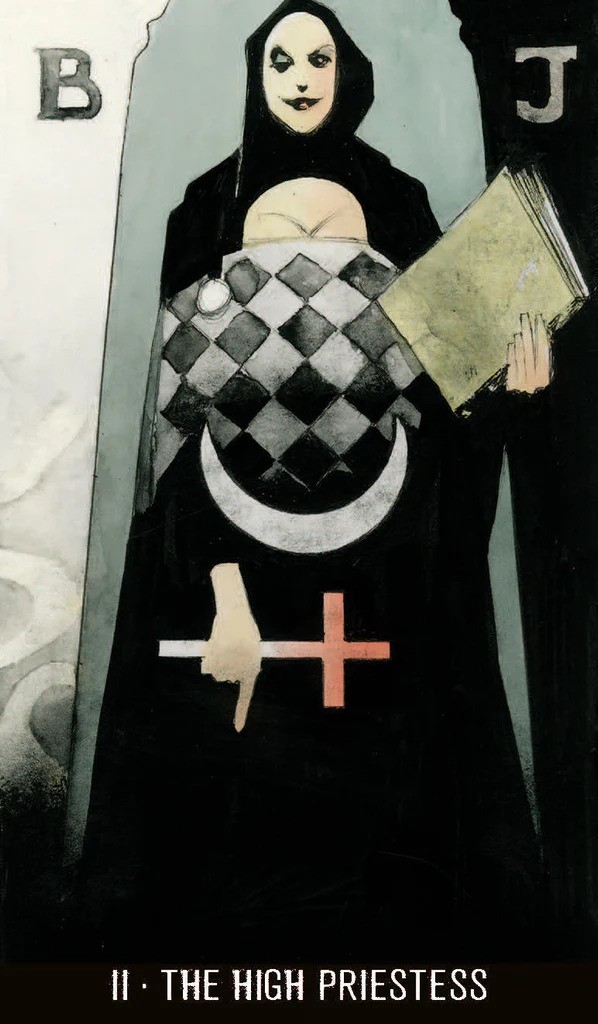
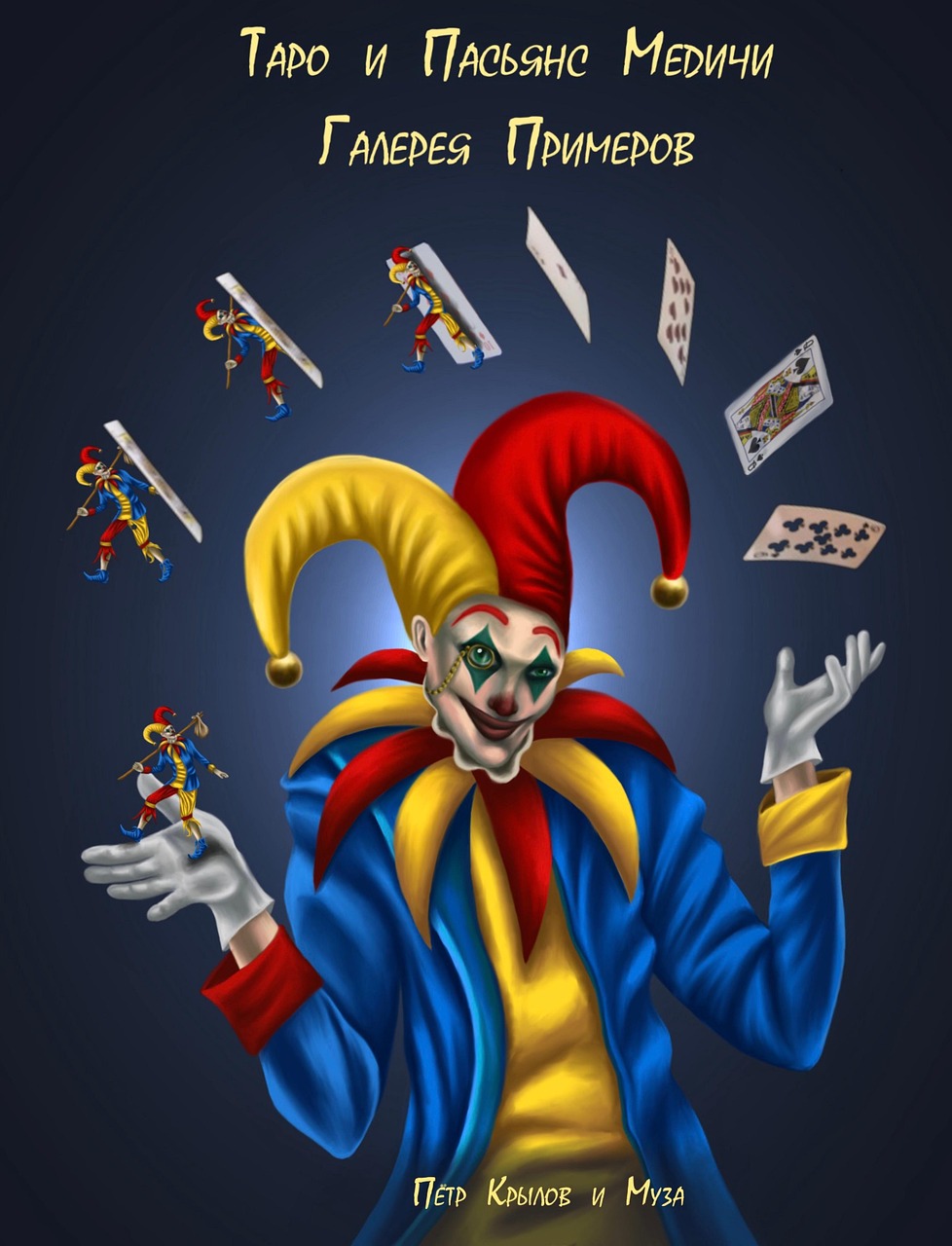
The imagery of the Joker varies widely across different Tarot decks, but certain themes are consistent. Often depicted as a clown, a jester, or a trickster figure, the Joker embodies duality—both playful and sinister. The colors used in the card’s design, such as red and black, symbolize passion and mystery, while the Joker’s exaggerated facial expressions may hint at hidden emotions or intentions. Some decks feature the Joker holding a mask, suggesting the idea of concealment or the many faces we wear in life. Understanding these visual cues is essential for interpreting the card’s message in a reading.
Chaos Trickster: The Joker as a Force of Disruption
In some interpretations, the Joker is seen as a chaotic trickster, disrupting the status quo and challenging expectations. This perspective aligns the Joker with archetypes like the Fool’s shadow or the Shadow Self in Jungian psychology. When the Joker appears in a reading, it may indicate that old patterns are breaking down, or that a situation is about to take an unexpected turn. This can be unsettling, but it also presents an opportunity for growth. The Joker’s chaos is not inherently negative; it forces us to adapt, question our assumptions, and embrace change. For those who resist unpredictability, the Joker can feel like a wake-up call.
Hidden Truths: The Joker as a Revealer of Secrets
Alternatively, the Joker can be viewed as a revealer of hidden truths, stripping away illusions to expose what lies beneath. This interpretation is particularly relevant in readings focused on self-discovery or uncovering subconscious motivations. The Joker’s presence may signal that someone is not being entirely honest—either with themselves or others—or that a situation is more complex than it appears. In some decks, the Joker is associated with the concept of “the veil,” suggesting that it lifts illusions to reveal deeper realities. This dual role as both trickster and truth-teller makes the Joker a powerful card for introspection.
The Joker in Different Tarot Decks: Variations and Interpretations
Not all Tarot decks include the Joker, and those that do often present it in unique ways. In the Rider-Waite-Smith tradition, the Joker is not part of the standard deck, but many modern decks have incorporated it as an additional card. For example, the Thoth Tarot features a card called “The Fool” that shares similarities with the Joker, emphasizing its role as a beginning and an end. The Wild Unknown deck includes a Joker-like card called “The Unnamed,” which represents the unknown and the limitless potential of the universe. Exploring these variations can deepen your understanding of how the Joker’s meaning shifts depending on the deck’s symbolism.
Psychological and Archetypal Perspectives on the Joker
From a psychological standpoint, the Joker can be linked to the concept of the “trickster archetype,” as described by Carl Jung. The trickster is a figure who disrupts order, challenges norms, and forces individuals to confront their shadow selves. In this context, the Joker represents the parts of ourselves that we suppress or deny—our fears, desires, and contradictions. By embracing the Joker’s energy, we can integrate these aspects and achieve greater self-awareness. Additionally, the Joker’s association with humor and playfulness highlights its role in helping us cope with life’s uncertainties. Understanding these archetypal connections can provide valuable insights into the Joker’s role in personal growth.
Practical Applications: How to Interpret the Joker in Readings
Interpreting the Joker in a Tarot reading requires flexibility and intuition. Start by considering the card’s position in the spread. If it appears in a challenging position, it may indicate deception or unexpected obstacles. In a positive position, it could signify liberation, creativity, or a breakthrough. Pay attention to the surrounding cards, as they can provide context for the Joker’s message. For example, if the Joker appears alongside The Magician, it might suggest using cleverness to navigate a tricky situation. If it’s paired with The Hermit, it could indicate a need for introspection to uncover hidden truths. Experiment with different interpretations to find what resonates with you.
Common Misconceptions About the Joker
One of the biggest misconceptions about the Joker is that it is always a negative card. While it can indicate chaos or disruption, it is not inherently bad. Another misconception is that the Joker is simply a “wildcard” with no fixed meaning. In reality, the Joker’s symbolism is rich and layered, and its interpretation depends on the context of the reading. Some people also assume that the Joker is exclusive to certain decks, but many modern decks have adapted it to fit their themes. By dispelling these myths, you can approach the Joker with a more open and informed perspective.
Conclusion
The Joker in Tarot is a card of duality, embodying both chaos and hidden truths. Its unpredictable nature challenges us to adapt, question, and grow, while its revelatory aspects encourage self-discovery and introspection. Whether you view the Joker as a trickster disrupting the status quo or as a revealer of secrets, its presence in a reading is never accidental. By exploring its symbolism, psychological connections, and practical applications, you can unlock deeper layers of meaning in your Tarot practice. Embrace the Joker’s energy, and let it guide you through life’s uncertainties with curiosity and resilience.
FAQ
What does the Joker card represent in Tarot?
The Joker card represents chaos, unpredictability, and transformation, embodying both the trickster and the revealer of hidden truths.
Is the Joker always a negative card?
No, while the Joker can indicate chaos, it can also signify liberation, creativity, and opportunities for growth.
How is the Joker interpreted in different Tarot decks?
The Joker’s interpretation varies across decks; some include it as part of the Major Arcana, while others treat it as a separate entity, emphasizing different themes.
Leave a Reply