Short Answer
The Hermetic Tarot is one of the most revered and enigmatic decks in the world of tarot, blending esoteric philosophy with artistic depth. In this guide, you’ll explore its origins, symbolism, and why it continues to captivate seekers of wisdom. From its historical roots to its modern interpretations, this article will uncover the layers of meaning behind each card and reveal why the Hermetic Tarot remains a timeless tool for introspection and divination.
The Origins and Philosophy of the Hermetic Tarot
The Hermetic Tarot draws its name from Hermeticism, a philosophical and esoteric tradition attributed to Hermes Trismegistus, a legendary figure believed to have synthesized Greek philosophy with Egyptian mysticism. This tradition emphasizes the principle of “as above, so below,” suggesting a correspondence between the macrocosm (the universe) and the microcosm (the individual). The tarot, in this context, becomes a visual and symbolic representation of these universal truths.

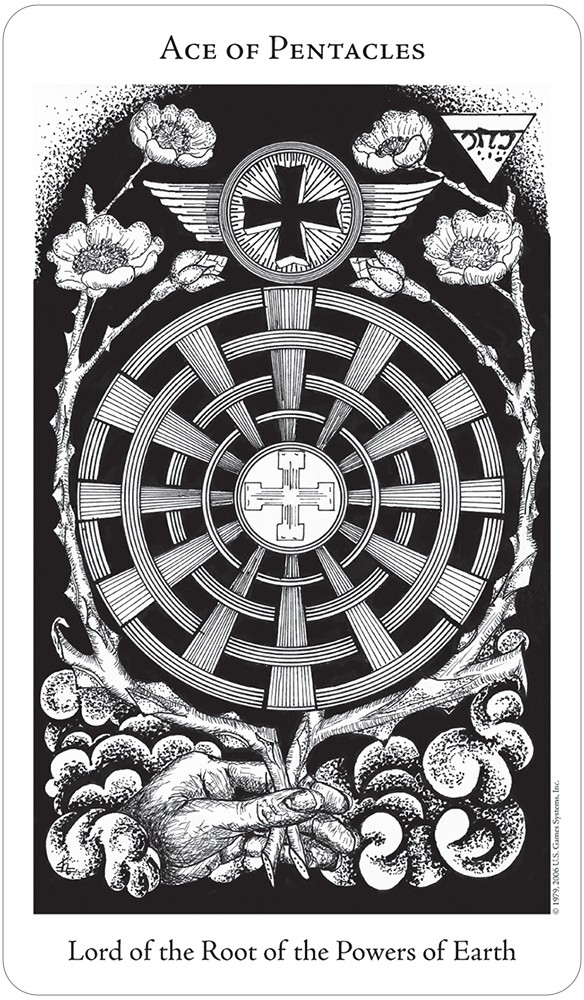
The deck was first published in the 1970s by Godfrey Dowson, who collaborated with occultist and artist Robert Wang to create a deck that aligned with the teachings of the Hermetic Order of the Golden Dawn. Unlike traditional tarot decks, which often rely on medieval Christian imagery, the Hermetic Tarot incorporates alchemical symbols, astrological correspondences, and Qabalistic references. This fusion of traditions makes it a powerful tool for those interested in deepening their understanding of esoteric wisdom.
Key Symbolism and Iconography in the Hermetic Tarot
One of the most striking features of the Hermetic Tarot is its rich symbolism, which serves as a bridge between the conscious and subconscious mind. Each card is laden with imagery that reflects Hermetic principles, such as the interplay of opposites (e.g., light and dark, masculine and feminine) and the journey of spiritual evolution. For example, the Fool card often depicts a figure standing at the edge of a cliff, symbolizing the leap of faith required to embark on a spiritual path.
The Major Arcana, in particular, is where the Hermetic philosophy shines brightest. Cards like The Magician represent the power of will and manifestation, while The High Priestess embodies intuition and hidden knowledge. The imagery is not merely decorative; it is a visual language that invites the reader to meditate on deeper truths. Even the Minor Arcana is infused with Hermetic elements, such as the suit of Cups being associated with the element of Water and the suit of Swords with the element of Air, reflecting the classical elements of alchemy.

Why the Hermetic Tarot Fascinates Seekers of Wisdom
A common observation about the Hermetic Tarot is its ability to resonate with individuals who feel a deep connection to esoteric traditions. Unlike more mainstream tarot decks, which may focus on psychological or New Age interpretations, the Hermetic Tarot appeals to those who seek a more structured and philosophical approach to divination. Its emphasis on Hermetic principles—such as the Law of Correspondence, Mental Transmutation, and the Principle of Vibration—provides a framework for understanding the universe and one’s place within it.
Another reason for its enduring fascination is its adaptability. While the deck is rooted in ancient wisdom, it remains relevant in modern spiritual practices. Practitioners often use it for meditation, shadow work, and ritual work, as its symbols are believed to activate the subconscious mind. The deck’s intricate designs also make it a favorite among artists and collectors, who appreciate its aesthetic and historical value.
Practical Applications: How to Use the Hermetic Tarot
The Hermetic Tarot can be used in a variety of ways, depending on the reader’s goals. For those interested in divination, the deck offers a nuanced way to explore questions about life’s challenges and spiritual growth. A simple three-card spread—representing past, present, and future—can reveal insights into a situation, while more complex spreads can delve into karmic patterns or soul lessons.
Beyond divination, the Hermetic Tarot is a powerful tool for self-reflection. Each card can serve as a focal point for meditation, helping the reader connect with the energies and lessons it embodies. For example, meditating on The Chariot card might inspire the reader to harness their determination and willpower to overcome obstacles. The deck’s symbolism also makes it ideal for ritual work, such as creating sigils or performing moon phase rituals aligned with the tarot’s astrological correspondences.
The Hermetic Tarot in the Modern Esoteric Landscape
In today’s spiritual landscape, the Hermetic Tarot stands out as a bridge between ancient wisdom and contemporary esotericism. While many modern tarot decks simplify their imagery to appeal to a broader audience, the Hermetic Tarot remains unapologetically complex, inviting readers to engage with its symbols on a deeper level. This complexity is part of its appeal, as it challenges the reader to think critically and explore the intersections of philosophy, spirituality, and psychology.
The deck’s influence can also be seen in other areas of esotericism, such as ceremonial magic and astrology. Practitioners of these traditions often use the Hermetic Tarot as a reference for correspondences, such as linking the cards to planetary energies or alchemical processes. This cross-pollination of ideas ensures that the Hermetic Tarot remains a living tradition, evolving alongside the seekers who use it.
Conclusion
The Hermetic Tarot is more than just a deck of cards; it is a gateway to a deeper understanding of the universe and one’s place within it. Its rich symbolism, rooted in Hermetic philosophy, offers a unique lens through which to explore spirituality, divination, and self-discovery. Whether you are a seasoned tarot reader or a curious beginner, the Hermetic Tarot provides a profound and transformative experience. By engaging with its imagery and wisdom, you open yourself to a world of esoteric knowledge that has captivated humanity for centuries.
FAQ
What is the Hermetic Tarot?
The Hermetic Tarot is a tarot deck that incorporates Hermetic philosophy, blending esoteric symbols with traditional tarot imagery.
How can I use the Hermetic Tarot?
The Hermetic Tarot can be used for divination, self-reflection, meditation, and ritual work, offering insights into spiritual growth.
Leave a Reply