Short Answer
In the intricate tapestry of the Tarot, the card known as Le Monde, or The World, emerges as a profound symbol of completion and wholeness. In the Christian perspective, this card transcends mere divination, embodying deep theological nuances that resonate with biblical themes of fulfillment, divine creation, and the ultimate realization of God’s kingdom. The multifaceted nature of Le Monde invites both intrigue and introspection, serving as a mirror to humanity’s spiritual journey.
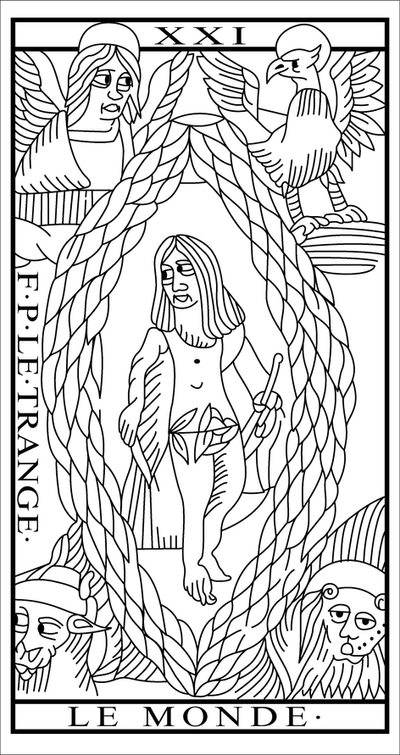
At first glance, Le Monde illustrates a figure encircled by a laurel wreath, which is emblematic of victory and achievements. This circle embodies the infinity of creation and the cycle of life, echoing the biblical assertion in Genesis that God’s creation is both good and interconnected. The representation of the feminine figure within this card evokes images of the Virgin Mary, who epitomizes purity, grace, and divine motherhood. Such connotations remind believers of the sacred interdependence of humanity and divinity—a relationship encapsulated in the incarnation of Christ.
The presence of the four creatures surrounding the figure—a lion, an eagle, a bull, and a human—echoes the vision of Ezekiel and the Revelation of John in the Bible, which highlight the four corners of God’s creation. These creatures symbolize the four Gospel writers: Matthew, Mark, Luke, and John. Thus, Le Monde can be perceived not merely as a representation of the world itself, but as an allegory for the unfolding of the Gospel and the teachings of Christ that ultimately guide believers toward a relationship with God.
In a theological context, Le Monde signifies not only the completion of cycles but also the promise of resurrection and eternal life. It illustrates the culmination of the soul’s journey, paralleling the Christian belief in the journey towards sanctification and the ultimate hope of resurrection. The winding path of life leads to divine communion, a return to the Garden of Eden where Adam and Eve first walked in harmony with God—a poignant metaphor of humanity’s lost paradise striving for restoration through Christ.
The card’s symbolism strongly connects to the concept of salvation history. Christians believe that through Jesus’ death and resurrection, humanity was offered reconciliation with God. This belief resonates with the image of wholeness in Le Monde, signifying the spirituality reached when one harmonizes with divine will. The passage from a life led by the flesh to one of spiritual fulfillment encapsulates the transformative journey that Le Monde invites believers to embrace.
Interestingly, the card also encapsulates the theme of unity and interconnectedness. The harmonious posture of the figure within the wreath symbolizes the embrace of both the earthly and the divine. In Christianity, this duality is paramount; believers are encouraged to engage with the world while maintaining a focus on the spiritual realm. This dichotomy parallels Christ’s own existence, bridging the sacred and the mundane, embodying the Kingdom of Heaven within earthly confines.
Le Monde is also an invitation to explore the significance of endings as preludes to new beginnings. In Christianity, every ending is seen through the lens of hope and resurrection. Just as the world as we know it will one day culminate in God’s eschatological fulfillment, so too does the card invite contemplation on personal finishes that herald new chapters. As Christians progress through trials and tribulations, the assurance found in Le Monde reminds them that each cross leads to resurrection—a profound metaphor for spiritual maturation and divine redemption.
Moreover, the concept of fulfillment depicted in Le Monde presents an interesting dialogue with the Christian notion of conversion. The call to recognize and align one’s life with God’s purpose is a recurring theme in Christian teachings. This echoes the journey towards the completion embodied by Le Monde, suggesting that true fulfillment arises not merely from personal success, but from aligning one’s aspirations with the divine plan. The completion signifies an awakening to a higher purpose that transcends individual desire, resonating with the Christian quest for holiness and grace.
As one delves deeper into the meanings articulated by Le Monde, it becomes evident that the card serves as a reminder of the continuous journey of sanctification. In the Christian narrative, every believer is called to participate in the unfolding of God’s Kingdom. This transformative process echoes the imagery of imploring the faithful to live in accordance with God’s commandments, aspiring toward the fullness of life that Jesus promises. The card’s depiction of harmony serves as a call to reflect on one’s contributions to the celestial masterpiece in progress, reinforcing the idea that each individual plays a unique role within God’s design.
In summation, Le Monde stands as a profound articulation of completion, redemption, and interconnectedness within a Christian philosophical framework. It elegantly captures the essence of the believer’s journey—embracing both earthly existence and divine purpose. The distinctive appeal of the card lies not only in its visual artistry but also in its rich metaphorical layers that invite reflection upon one’s personal journey, underscoring the profound notion that within God’s eternal narrative lies an invitation for each soul to discover wholeness in the divine embrace. The World, therefore, extends beyond the physical; it is a testament to the transformational power of faith, hope, and love found in the gospel message, inviting believers to seek fulfillment in unity with the Creator.
Leave a Reply