Short Answer
In this guide, you’ll explore the profound and often misunderstood concept of a hermit. Is solitude a prison of loneliness or a sanctuary of liberation? We’ll delve into the historical, psychological, and cultural dimensions of hermits, uncovering the unique appeal of a life lived apart from society. By the end, you’ll gain a nuanced understanding of what it means to be a hermit and why this lifestyle continues to fascinate people across time and cultures.
The Historical Roots of Hermits: From Ascetics to Outcasts
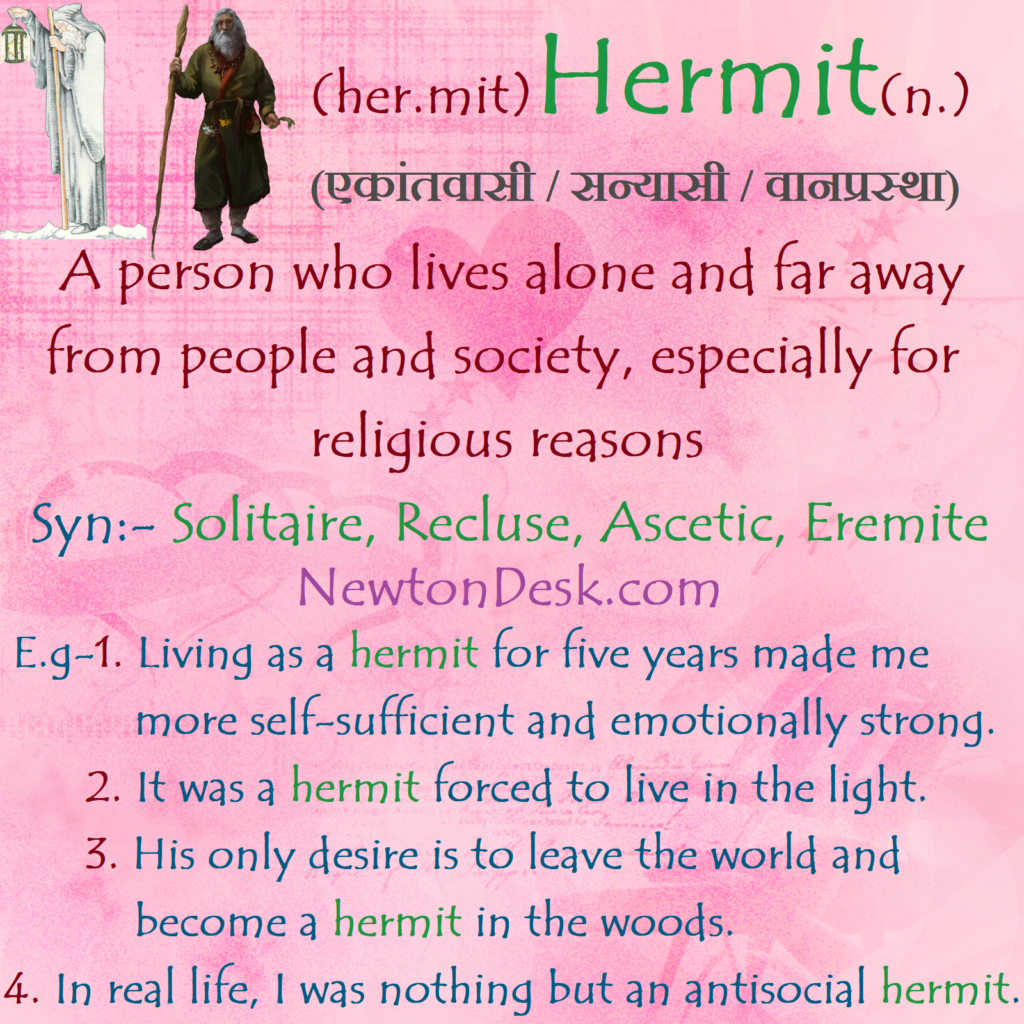
The concept of the hermit traces back to ancient civilizations, where individuals sought solitude for spiritual, philosophical, or personal reasons. In early Christian traditions, hermits were revered as holy figures who renounced worldly pleasures to live in prayer and penance. Figures like Saint Anthony the Great, who retreated to the Egyptian desert in the 3rd century, became symbols of unwavering devotion and self-denial. These early hermits were often seen as bridges between the divine and the human, living in extreme isolation to attain enlightenment or salvation.
In contrast, Eastern traditions such as Buddhism and Taoism also embraced the hermit lifestyle, though with different motivations. Buddhist monks, for instance, practiced forest dwelling (*aranyavasi*) to meditate undisturbed, believing that solitude fostered deep introspection and connection with nature. Similarly, Taoist hermits sought harmony with the natural world, viewing solitude as a path to inner peace and wisdom. These historical examples illustrate that the hermit’s choice of isolation was rarely about loneliness—it was about liberation through detachment from societal distractions.

Psychological Perspectives: Solitude vs. Loneliness
Modern psychology distinguishes between solitude and loneliness, a distinction that is crucial to understanding the hermit’s appeal. Loneliness is often associated with isolation imposed by circumstances—such as social exclusion or rejection—leading to feelings of emptiness and despair. In contrast, solitude is a voluntary choice to step away from the noise of daily life to reflect, create, or simply exist without external pressures. Hermits embody this latter form of solitude, using it as a tool for self-discovery and personal growth.
Research in positive psychology suggests that solitude can enhance creativity, problem-solving, and emotional resilience. When removed from the constant stimulation of social interactions, the mind has the space to wander, innovate, and process experiences more deeply. This is why many artists, writers, and thinkers throughout history have sought periods of solitude to produce their greatest works. The hermit lifestyle, therefore, is not a rejection of human connection but a strategic retreat to cultivate a richer inner life.
The Cultural Allure of Hermits: Why We’re Fascinated
Hermits occupy a unique space in the cultural imagination, embodying both mystery and wisdom. Their lives are often romanticized in literature and art, where they appear as enigmatic figures who hold the secrets of the universe. From the wise old hermit in fairy tales to the reclusive genius in modern films, the archetype of the hermit persists because it taps into a universal longing for meaning beyond material pursuits. In a world obsessed with connectivity, the hermit represents an alternative path—one that prioritizes depth over breadth, quality over quantity in relationships.
This fascination is also tied to the hermit’s role as a cultural critic. By stepping outside societal norms, hermits often challenge conventional values, offering alternative perspectives on happiness, success, and fulfillment. Their rejection of materialism, consumerism, and even modern conveniences can serve as a mirror to society, forcing us to question our own priorities. In this sense, the hermit is not just a figure of the past but a living critique of contemporary life, reminding us of the value of simplicity and introspection.
The Hermit’s Toolkit: How to Embrace Solitude Without Isolation
While the idea of becoming a hermit may seem extreme, the principles of solitude can be applied in small doses to enrich everyday life. Here are some practical ways to cultivate a hermit-like mindset without fully withdrawing from society:
- Digital Detox: Regularly disconnect from screens and social media to reclaim mental space. This doesn’t mean abandoning technology entirely but setting boundaries to prevent it from dominating your attention.
- Nature Retreats: Spend time in natural settings, whether it’s a weekend camping trip or daily walks in a park. Nature has a way of quieting the mind and fostering a sense of solitude even in the presence of others.
- Mindful Solitude: Practice activities that encourage introspection, such as journaling, meditation, or creative hobbies like painting or writing. These pursuits can turn solitude into a source of inspiration rather than loneliness.
- Selective Socializing: Instead of spreading yourself thin with countless social obligations, focus on deep, meaningful connections with a few individuals. Quality over quantity in relationships can reduce the pressure to constantly engage with others.
These steps demonstrate that the hermit’s lifestyle is not about complete withdrawal but about curating a life that balances solitude with necessary social interactions. The goal is to find a rhythm that allows you to recharge and reflect without feeling cut off from the world.

Conclusion: The Hermit’s Paradox – Lonely or Liberated?
The hermit’s life is a paradox: it is both a path of loneliness and liberation, a retreat from society and a journey into the self. What makes this lifestyle so intriguing is its refusal to conform to binary definitions. Hermits are not simply lonely outcasts; they are seekers, philosophers, and artists who have chosen to prioritize depth over superficiality. Their solitude is not a void but a canvas, upon which they paint their most profound insights and discoveries.
For those who feel overwhelmed by the relentless pace of modern life, the hermit offers a compelling alternative. It’s a reminder that solitude can be a form of freedom—a chance to escape the noise and reconnect with what truly matters. Whether you choose to adopt the hermit’s lifestyle in full or simply incorporate elements of it into your routine, the key takeaway is this: solitude is not the absence of connection but the presence of a deeper relationship with yourself and the world around you.
In a society that often equates happiness with constant engagement, the hermit stands as a testament to the power of stepping back. Their story is an invitation to explore the quiet corners of life, where true liberation—and perhaps true connection—can be found.
FAQ
What is the meaning of a hermit?
A hermit is someone who chooses to live in solitude, often for spiritual or personal reasons, seeking liberation rather than isolation.
How does solitude differ from loneliness?
Solitude is a voluntary choice to reflect and recharge, while loneliness is an involuntary feeling of isolation and disconnection.
What are the psychological benefits of solitude?
Solitude can enhance creativity, emotional resilience, and self-discovery, allowing for deeper processing of experiences.
Leave a Reply