Short Answer
Exploring the intricate tapestry of Tarot cards through a Christian lens presents a fascinating convergence of symbolism and spirituality. In the hands of Tarot practitioners, these cards serve not merely as tools for divination but as mirrors reflecting the human condition, societal dilemmas, and the quest for understanding one’s purpose. To delve deeper, it is imperative to dissect the elements of this non-traditional practice and analyze its place within a Christian context.
The Tarot: A Canvas of Symbolism
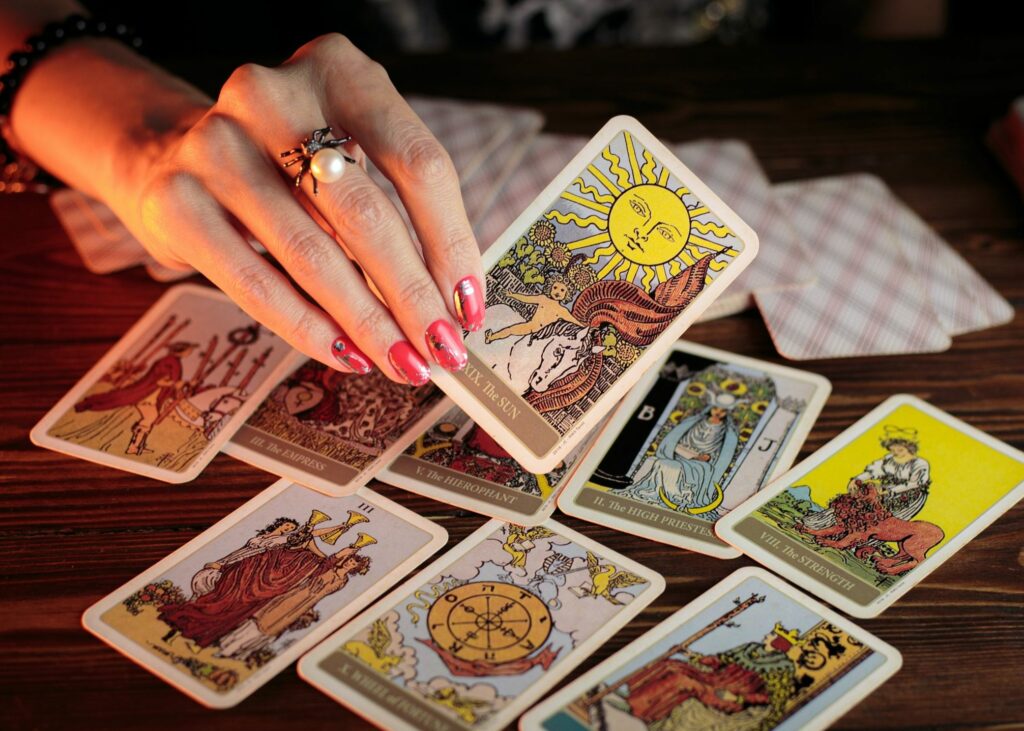
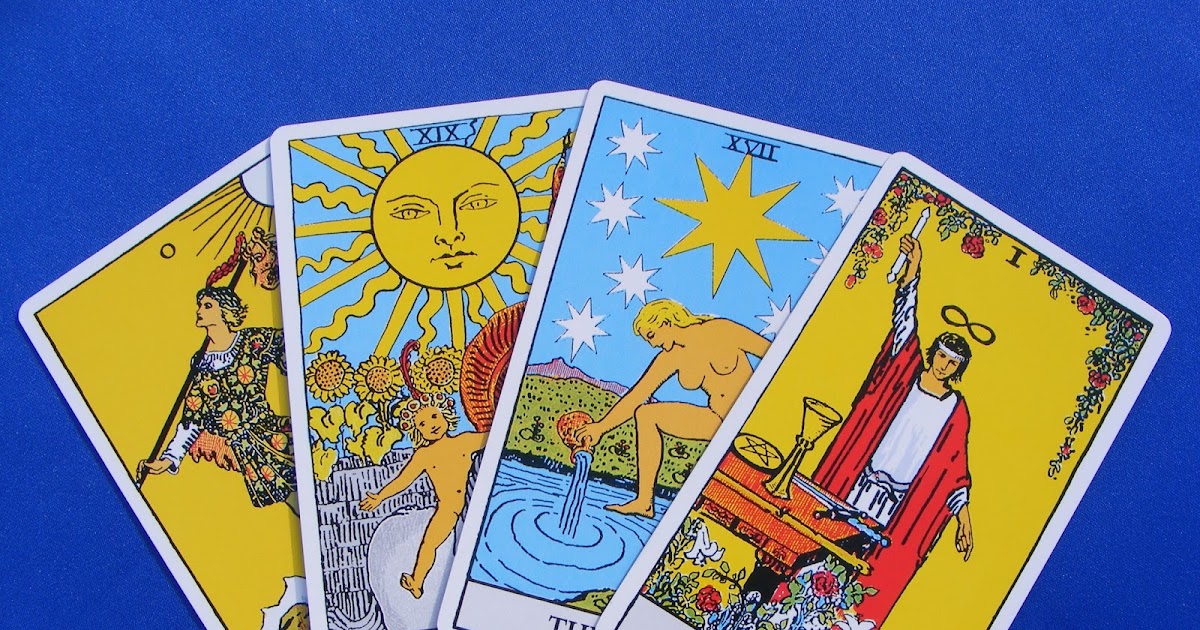
At its core, Tarot is an elaborate deck of 78 cards, each rich with imagery and deeper meanings. The deck is divided into two main sections: the Major Arcana and the Minor Arcana. The Major Arcana consists of 22 cards that represent significant life events and spiritual lessons, while the Minor Arcana comprises 56 cards that delve into the mundane experiences of everyday life. Each card is a brushstroke upon the canvas of existence, provoking thought and stimulating inquiry.
The Major Arcana: Archetypes of the Soul
In the realm of Christian symbolism, the Major Arcana can be perceived as archetypes that resonate with biblical narratives and moral lessons. For instance, The Fool, often portrayed as a carefree traveler, mirrors the Christian ideal of faith—stepping into the unknown while carrying the essence of hope. We are reminded of the biblical call to forsake worldly attachments and embrace the divine guidance of God.
The High Priestess, a symbol of intuition and inner wisdom, embodies the spiritual journey toward understanding. In Christianity, this idea parallels the notion of seeking divine knowledge through prayer and reflection. As believers navigate their spiritual paths, they are oftentimes reminded to listen to the whispers of the Holy Spirit— the very essence of enlightenment.
Connecting the Dot: The Emphasis on Morality
Another compelling figure within the Major Arcana is The Hermit. Portrayed as a solitary figure bearing a lantern, he illuminates the path for others searching for their respective truths. This archetype directly correlates with the Christian pursuit of solitude for deeper reflection and communion with God. Both the card and scripture evoke a sense of introspection and the importance of spiritual growth through self-discovery.
As this analysis unfolds, one cannot overlook the implications of judgment as illustrated by Judgment and The Hanged Man cards. Judgment alludes to the call for repentance, akin to the transformative essence found in Christian teachings. The Hanged Man, while often viewed as a card of surrender, conveys the importance of perspective, suggesting that true understanding can only be grasped by viewing life from diverse angles— a core principle cherished in theological teachings.
The Minor Arcana: Everyday Life and Christian Journeys
The Minor Arcana serves as a manifestation of mundane experiences, divided into four suits: Cups, Wands, Swords, and Pentacles. Each suit carries within it moral implications that resonate with Christian values. The Suit of Cups typically signifies emotions and relationships, echoing Christ’s teachings on love and community. The collective essence of nurturing connections aligns seamlessly with the Christian directive to love one’s neighbor as oneself, bringing forth the idea that emotional intelligence is a guiding virtue.
The Suit of Wands signifies creativity and action, reflections of God’s call to use one’s gifts for the betterment of humanity. This echoes the notion of stewardship, where believers are encouraged to utilize their talents and resources in service to others, embodying the essence of Christ’s message.
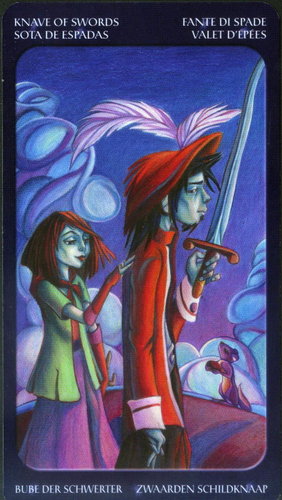
Conversely, the Suit of Swords, often aligned with conflict and challenges, presents a more complex narrative. The connotations of strife can be interwoven within Christian teachings, emphasizing the trials faced during spiritual warfare. Furthermore, the Suit of Pentacles touches upon material aspects of life, illustrating the balance between prosperity and spiritual wealth—challenging Christians to consider their stewardship over earthly possessions.
The Ethical Considerations in Tarot Reading
While Tarot may initially seem divergent from Christian principles, the art of Tarot reading demands moral consideration. Ethical readings emphasize respect, empathy, and clarity—characteristics that align with Christian ethics. As readers interpret the cards, the focus should remain on fostering understanding rather than foretelling inevitable fates, thus adhering to the belief that humans possess free will and the ability to shape their destinies.
The Interplay of Faith and Divination
In a society often polarized by contrasting beliefs, bridging the chasm between Tarot and Christian ideologies can yield profound insights. Tarot can serve as a valuable contemplative exercise, prompting believers to reflect on their lives in search of deeper meanings. Rather than outright rejection of one belief system over the other, exploring this intersection invites dialogue on the nature of spirituality, ethics, and the human experience?
Conclusion: A Harmonious Embrace?
Ultimately, Tarot and Christian teachings share a mutual goal—the quest for deeper understanding of self and one’s relationship with the Divine. The Tarot’s rich symbolism offers layers of meaning, echoing the intricate narratives found in sacred texts. By examining these connections, one may find that divergence is not synonymous with rejection, but rather an opportunity for growth and enlightenment. Through empathy and understanding, the interplay between Tarot and Christianity can transform into a harmonious dance, leading to a comprehensive exploration of faith, perspective, and ethics.
FAQ
What are Tarot cards?
Tarot cards are a deck of 78 cards used for divination, each rich with symbolism and meaning.
How do Tarot cards relate to Christianity?
The article explores how Tarot cards can reflect Christian moral lessons and spiritual teachings.

Leave a Reply