Short Answer
When pondering the enigmatic world of Tarot card combinations, one might whimsically question whether these intricate arrangements hold similar significance when viewed through a Christian lens. Can the symbolism within Tarot be reconciled with Christian doctrine? This juxtaposition poses an intriguing intellectual challenge, inviting exploration into how these seemingly disparate realms intermingle. In this examination, we shall dissect various Tarot combinations and their meanings, alighting upon intersections with Christian themes and values.
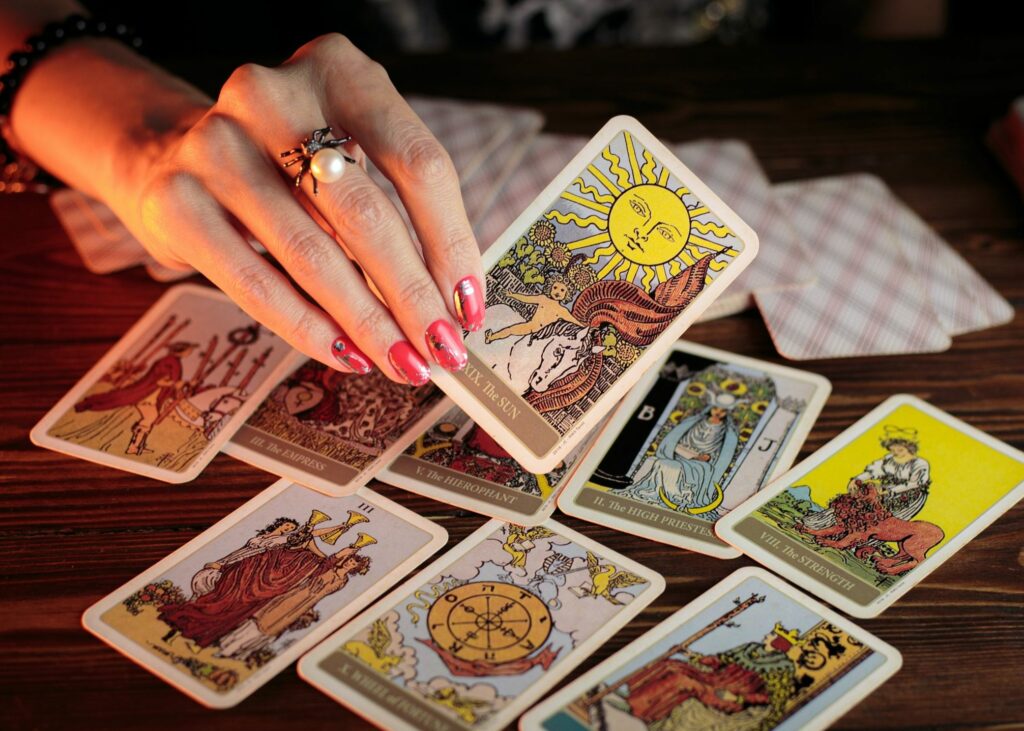
The Tarot deck, comprising 78 cards, is traditionally divided into two major sections: the Major Arcana and the Minor Arcana. The Major Arcana cards delve into significant life lessons and universal archetypes, whereas the Minor Arcana cards reflect day-to-day experiences and challenges. When interpreted collectively, especially through specific combinations, these cards may reveal deeper insights.
One of the most potent combinations within the Tarot is the pairing of The Fool and The Hierophant. The Fool represents new beginnings, innocence, and spontaneity, embodying the essence of a journey unshackled by preconceived notions. Conversely, The Hierophant symbolizes tradition, spiritual authority, and established belief systems. Within a Christian context, this combination may suggest that the seeker is on the precipice of embarking on a spiritual journey that necessitates a balance between adherence to faith and the embracing of personal spiritual exploration. Are the conventions of faith stifling personal growth, or can they act as a guiding light?
Another intriguing duo lies in the cards of The Lovers and The Empress. The Lovers typically denote choices, partnerships, and duality, while The Empress embodies fertility, nurturing, and femininity. Together, these cards evoke themes of divine love as represented by Christ, imbuing romantic and familial relationships with profound significance. From a Christian perspective, this combination underscores the notion that love, whether platonic or romantic, serves as a conduit for experiencing the divine. It invites contemplation: can love be an expression of grace or merely a human emotion devoid of spiritual depth?
Equally compelling is the juxtaposition of Death and The Tower. In Tarot, Death does not signify a literal end; rather, it heralds transformation and rebirth. The Tower, on the other hand, epitomizes upheaval, chaos, and the shattering of illusions. When these cards appear together, they indicate that profound change often arises from crises, a truth echoed in much of Biblical scripture. This combination can prompt reflections on resilience amidst tribulation—an echo of the story of Job, who faced incredible adversity yet emerged with unwavering faith. How might one view their own sufferings in light of divine purpose?
Furthermore, we can explore the dynamic pairing of The Sun and The Moon. The Sun radiates joy, success, and clarity, while The Moon embodies intuition, dreams, and the subconscious. This combination can be particularly enlightening when considering the duality of faith and doubt present in Christian narratives. It reflects the tension between enlightened understanding and the often murky waters of belief. As seekers, are we always forsaking the light of faith in our moments of doubt? This duo serves as a reminder that both clarity and uncertainty are essential components of the spiritual journey.
Above all, the combination of The Chariot and The Hermit speaks to the quest for purpose. The Chariot signifies determination, willpower, and conquest, while The Hermit symbolizes introspection and inner guidance. This pairing invites a contemplative discourse: might the pilgrimage of life be one marked by both external victory and inner reflection? Within the Christian framework, it suggests that true triumph is not merely found in outward achievements but in the quiet moments of communion with God. To what extent does personal introspection fuel our spiritual pursuits?
Interactions between Tarot combinations and Christian theology invite further contemplation on morality, virtue, and human nature. The interplay of judgment and grace, sin and redemption as depicted through these resonates throughout cards such as Justice and Judgment alongside The Devil. Justice embodies fairness, objectivity, and moral rectitude, while Judgment signifies awakening and renewal. Conversely, The Devil often personifies temptation, addiction, and materialism. Together these cards urge us to evaluate our spiritual compass: do we succumb to worldly desires, or are we striving for redemption through righteous living?
To delve deeper into these combinations, it is essential to ponder their implications not just for personal reflection but within communal contexts, allowing for broader interpretations. As an exercise in creativity and authenticity, one might engage in a Tarot reading that incorporates these combinations, seeking insights that resonate with their Christian beliefs. In conducting this introspective exploration, the seeker may discover powerful intersections where spirituality, morality, and the universe intertwine.
Ultimately, Tarot card combinations present a rich tapestry of meanings that transcend singular interpretations. The interplay between Tarot and Christian themes evokes an invitation to explore the liminal spaces within faith traditions, posing questions about the nature of existence, faith, and spiritual growth. Can these cards serve as tools for deeper understanding, bridging the divine with the earthly experience? The quest for knowledge is ongoing, inviting each seeker to engage with the mystery and find their path illuminated amidst the shadows.
FAQ
What do Tarot card combinations signify?
Tarot card combinations reveal deeper meanings and insights into personal situations, often highlighting spiritual and emotional themes.
How can Tarot be interpreted in a Christian context?
Tarot can be examined through a Christian lens by exploring how its themes of love, morality, and personal growth align with biblical teachings.
Leave a Reply