Short Answer
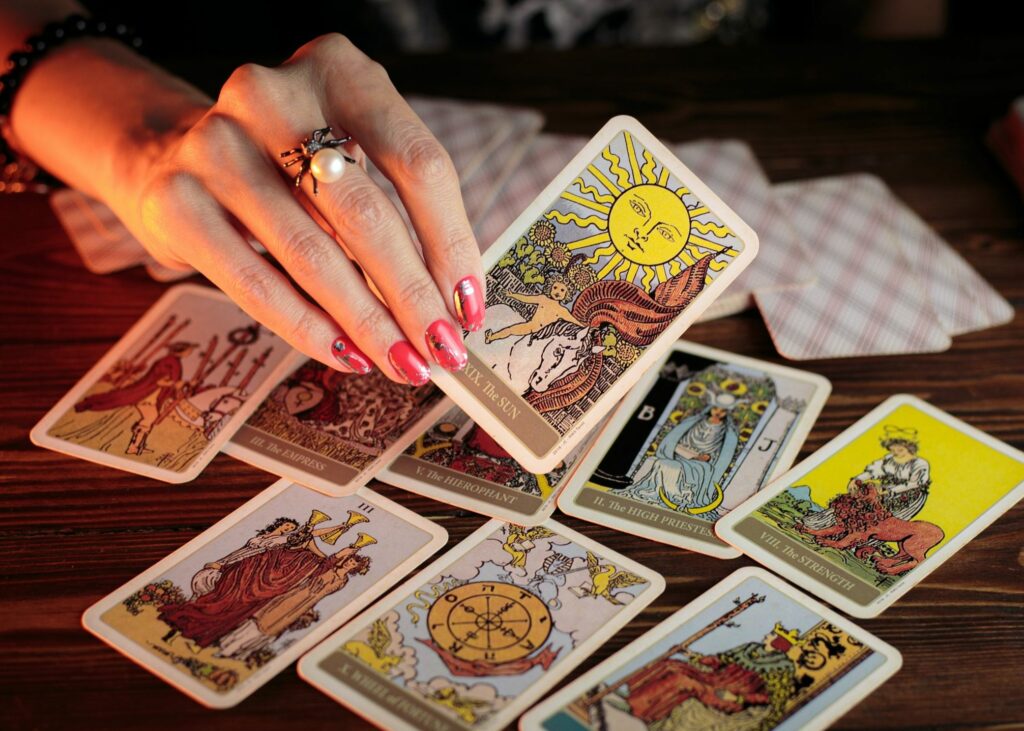
In the world of spirituality, tarot cards often evoke intrigue and controversy. Many see them merely as a tool for divination, while others explore their potential for personal insight. For those within the Christian framework, examining tarot card meanings can present a unique challenge and an opportunity for a transformative perspective. This article will delve into the significance of tarot within a Christian context, offering a quiz-style exploration designed to prompt self-reflection and spiritual growth.
**Understanding Tarot: A Brief Overview**
Before embarking on the quiz, it is essential to understand what tarot cards represent. Traditionally, a tarot deck consists of 78 cards divided into the Major Arcana and Minor Arcana. The Major Arcana contains 22 cards that symbolize critical life lessons and spiritual journeys, while the Minor Arcana consists of 56 cards divided into four suits, representing everyday events and challenges. Historically, tarot has roots in various cultures, including ancient Egypt and medieval Europe, often drawn on for insight into one’s subconscious and decision-making processes.
**Tarot vs. Christian Doctrine: A Delicate Balance**
In Christianity, engaging with tarot can lead to myriad interpretations. Some view it as contrary to Biblical teachings that encourage reliance on God for guidance. Others, however, are open to examining tarot through a lens of personal insight and self-discovery. The juxtaposition of tarot meanings and Biblical teachings can prompt one to consider—can they coexist? This quiz will encourage deeper thought on how understanding tarot meanings may align with, or challenge, one’s spiritual beliefs.
**The Tarot Card Meaning Quiz**
As you progress through the following questions, contemplate how each card’s meaning might echo or diverge from your beliefs. This quiz is designed to be introspective and illuminate personal perspectives while respecting Christian values.
1. The Fool – What does this mean to you?
The Fool often represents new beginnings and adventures. In a Christian context, could this symbolize the call to trust God and embrace a path of faith? Reflect on moments in your life where trust led to new beginnings. Do you see parallels between this card and the Scripture’s call to a child-like faith?
2. The High Priestess – Intuition or Divine Guidance?
The High Priestess embodies intuition, secrets, and the unconscious mind. How could the concept of divine guidance play into this? In Christian thought, some may argue that intuition is the Holy Spirit guiding believers. Can this align with the insight offered by the High Priestess?
3. The Hermit – A time for reflection.
The Hermit suggests isolation and introspection. Christianity often emphasizes solitude as an opportunity for communion with God. How might your periods of solitude mirror the Hermit’s journey? How can the teachings of Jesus about retreating to pray influence your understanding of this card?
4. The Tower – Sudden upheaval.
The Tower card symbolizes sudden change and upheaval, often perceived negatively. Yet, in Christianity, trials can lead to spiritual growth. Reflect on instances in your own life where destruction led to renewal. Could embracing the essence of the Tower provide insights into your faith journey?
5. The Lovers – Relationships and choices.
This card signifies not only romantic bonds but also major choices. Christians are often faced with moral dilemmas. How can the message of the Lovers guide you in making decisions, not only in relationships but also in faith? What parallels do you see between this card’s themes and biblical teachings on love and choice?
6. The World – Completion and unity.
The World represents fulfillment and wholeness. In Christian doctrine, the concept of unity in Christ is paramount. As you explore this card, how does it resonate with your understanding of the ultimate goal of faith? Can acknowledging the journeys represented in the tarot assist in recognizing God’s work in your life?
7. The Hanged Man – Perspective and surrender.
This card is often associated with surrender and gaining a new perspective. From a Christian view, surrendering to God’s will could be a powerful lesson in faith. Reflect on personal experiences where yielding control led to spiritual growth. How does this card inspire you to rethink the act of surrender?
**Concluding Thoughts**
Engaging with tarot card meanings through a Christian lens does not need to be a contentious affair. Instead, it can serve as a catalyst for profound reflection and dialogue regarding faith, intuition, and personal growth. By acknowledging the potential for tarot to resonate with Biblical teachings, one may discover that these cards hold relevance beyond mere divination. Rather, they may illuminate the complexities of the human experience, urging us to explore the intersection of spirituality and self-awareness.
Ultimately, this quest for understanding allows for personal growth and a deeper appreciation for both tarot and Christian perspectives. The tarot may not traditionally align with Christian doctrine, yet by contemplating its meanings through a faith-based lens, one can embrace an enriched narrative that champions curiosity and introspection.
FAQ
What is the purpose of a tarot card meaning quiz?
The purpose is to encourage introspection and self-reflection on how tarot card meanings may align with personal beliefs, particularly within a Christian context.
Can tarot and Christianity coexist?
Yes, many individuals explore tarot meanings as tools for personal insight while maintaining their Christian faith, viewing it as a means of self-discovery.
Leave a Reply