Short Answer
In this comprehensive guide, you’ll explore the intriguing concept of “Upside Down Devil – Breaking Free,” uncovering its symbolic meanings, psychological underpinnings, and cultural significance. Whether you’re drawn to its visual allure or its deeper metaphorical layers, this article will provide insights into why this imagery resonates so strongly across art, media, and personal reflection. By the end, you’ll understand the broader implications of defying conventional perceptions of evil and the transformative power of breaking free from limiting beliefs.
The Symbolism of the Upside Down Devil
The image of an “upside down devil” is a powerful visual metaphor that challenges traditional representations of evil. Typically, the devil is depicted as a menacing figure with horns, a tail, and a menacing grin, embodying temptation, corruption, and chaos. However, when inverted—literally or conceptually—the devil becomes a symbol of subversion, rebellion, and the inversion of expectations. This reversal suggests that what we perceive as evil may not be inherently destructive but could instead represent a force of change or liberation.
In art and literature, the upside-down devil often appears as a critique of dogmatic beliefs or oppressive systems. By flipping the conventional imagery, artists invite viewers to question their assumptions about morality, power, and control. The upside-down position can also signify a shift in perspective, encouraging us to see beyond surface-level judgments and explore alternative interpretations of familiar symbols.

Why the Fascination with Defying the Devil?
Human fascination with defying the devil stems from a universal desire to overcome limitations and assert control over one’s life. The devil, as a symbol of temptation and sin, represents the internal and external forces that challenge our moral compass. By “breaking free” from these influences, individuals often experience a sense of empowerment and self-discovery. This theme is prevalent in religious narratives, where overcoming the devil signifies spiritual growth and enlightenment.
Psychologically, the devil can embody our fears, doubts, and insecurities. Confronting and overcoming these inner demons is a common motif in personal development and therapy. The idea of turning the devil upside down—literally or metaphorically—reflects the process of reframing challenges as opportunities for growth. It suggests that what we perceive as obstacles may, in fact, be catalysts for transformation.
Culturally, the fascination with defying the devil also reflects a rebellion against authority and tradition. Throughout history, figures who challenged established norms—whether religious, political, or social—have often been vilified as “devilish.” By inverting this symbolism, society reexamines the narratives of those who dared to question the status quo, celebrating their defiance as acts of courage rather than heresy.
The Role of Art in Depicting the Upside Down Devil
Artists have long used the upside-down devil as a tool to provoke thought and challenge conventions. In James Siena’s “Upside Down Devil,” the inverted figure disrupts the viewer’s expectations, forcing them to reconsider their preconceived notions of evil. Such artworks often serve as visual metaphors for the struggle against oppression, the rejection of dogma, or the pursuit of personal liberation.
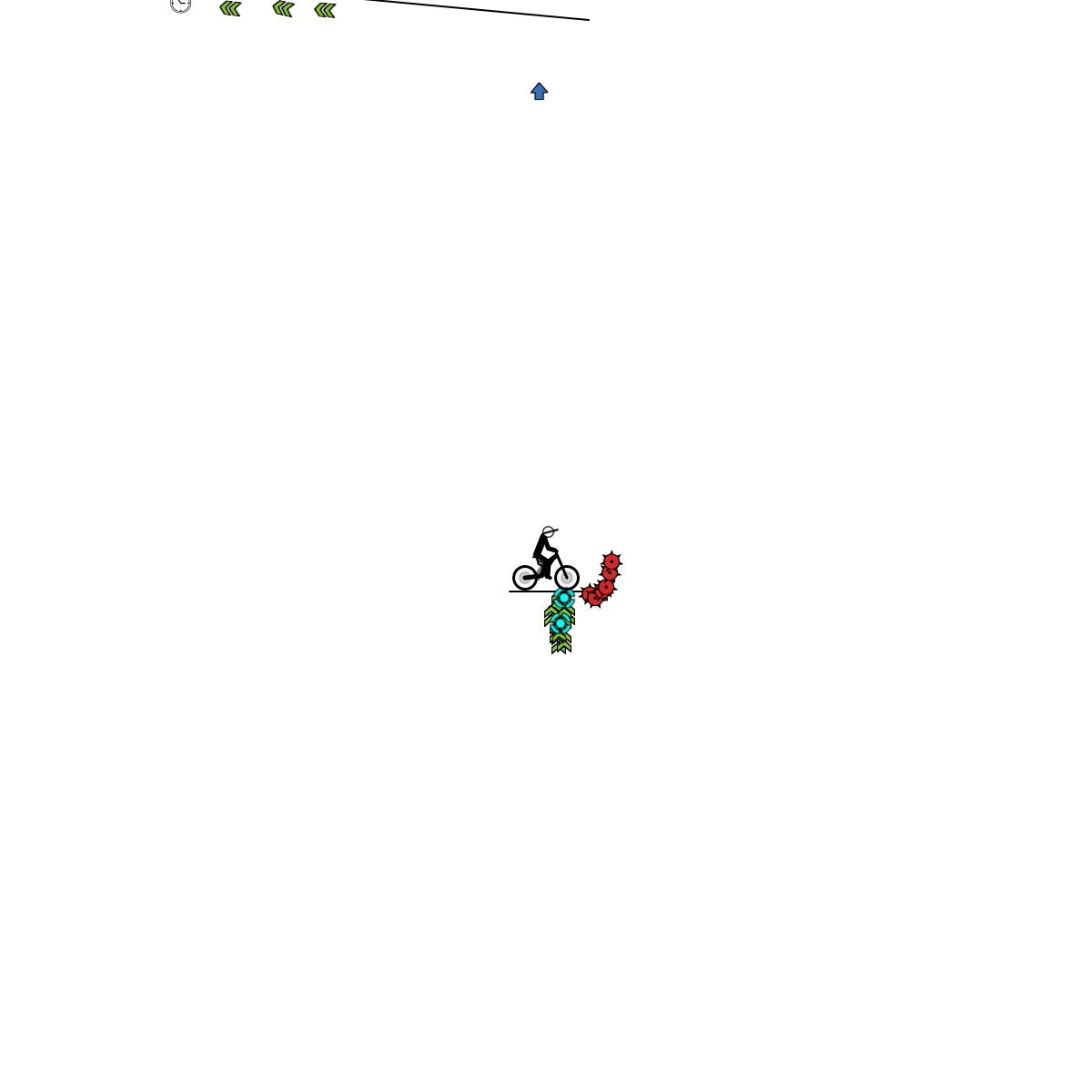
In contemporary media, the upside-down devil appears in various forms, from album covers to video game designs. These representations often blend horror, surrealism, and social commentary, using the inverted imagery to explore themes of duality, identity, and the blurred lines between good and evil. For example, the track “Upside down pt. 2” by LibertyKivett in Free Rider HD employs the upside-down devil as a symbol of rebellion against the constraints of traditional gaming narratives, encouraging players to think outside the box.
Breaking Free: The Psychological and Spiritual Journey
The act of “breaking free” from the devil’s temptations is deeply rooted in psychological and spiritual traditions. In Jungian psychology, the shadow self represents the repressed or unacknowledged aspects of our personality, often personified as the devil. Confronting and integrating these shadow elements is essential for personal growth and self-acceptance. The upside-down devil, in this context, symbolizes the process of acknowledging and transcending these inner conflicts.
Spiritually, breaking free from the devil’s influence aligns with the pursuit of enlightenment and liberation from suffering. Many religious traditions emphasize the importance of resisting temptation and overcoming the ego’s desires. The upside-down devil serves as a reminder that true freedom comes from within—by challenging our attachments to materialism, ego, and fear, we can achieve a higher state of consciousness.
In modern self-help and mindfulness practices, the concept of “breaking free” is often framed as a journey of self-discovery. Techniques such as meditation, journaling, and cognitive behavioral therapy help individuals identify and overcome the “devilish” patterns in their lives—whether it’s self-sabotage, negative thought loops, or toxic relationships. The upside-down devil, in this sense, becomes a symbol of empowerment, encouraging individuals to reclaim agency over their lives.
Cultural and Historical Perspectives on Defying Evil
The theme of defying evil has been a recurring motif in cultural and historical narratives. In medieval Europe, figures like Joan of Arc and Giordano Bruno were often depicted as heretics or devil-worshippers for challenging the dominant religious and political systems. Their defiance, however, became a symbol of resistance against tyranny and dogma. The upside-down devil, in this context, represents the inversion of power—where the oppressed become the liberators.
In literature, characters like Faust and Frankenstein grapple with the consequences of defying moral boundaries, often blurring the lines between good and evil. These stories serve as cautionary tales but also as explorations of human ambition and the pursuit of knowledge. The upside-down devil, in these narratives, embodies the duality of human nature—the capacity for both destruction and creation.
Contemporary movements, such as punk and counterculture, have also embraced the upside-down devil as a symbol of rebellion. By inverting traditional symbols of authority and morality, these movements challenge societal norms and advocate for individual freedom. The imagery serves as a visual shorthand for the rejection of conformity and the celebration of nonconformity.
Conclusion
The concept of “Upside Down Devil – Breaking Free” is far more than a striking visual motif; it is a multifaceted symbol that resonates across art, psychology, spirituality, and culture. By inverting the traditional imagery of the devil, we are invited to question our assumptions, confront our inner demons, and embrace the transformative power of liberation. Whether through art, personal growth, or societal change, the upside-down devil challenges us to see beyond the surface and explore the deeper meanings of defiance and freedom.
Ultimately, breaking free from the devil’s temptations is not about rejecting evil outright but about understanding its role in our lives and using that understanding to grow. The upside-down devil serves as a reminder that what we perceive as obstacles can become opportunities for transformation, and that true freedom lies in our ability to reframe our challenges as stepping stones to a more empowered existence.
FAQ
What does the Upside Down Devil symbolize?
It symbolizes defiance against traditional notions of evil, representing empowerment and transformation.
How does the concept relate to personal growth?
It encourages individuals to confront their inner demons and reframe challenges as opportunities for growth.
Leave a Reply