Short Answer
Welcome to a deep exploration of the Four of Swords in tarot—a card that often sparks curiosity and invites reflection on rest, recovery, and the subtle shifts in perspective that come with stillness. In this guide, you’ll uncover the layers of meaning behind this card, from its traditional interpretations to its modern relevance. Whether you’re a seasoned tarot reader or a curious beginner, you’ll gain insights into how the Four of Swords can signal a turning point, a need for pause, or even a hidden resentment that demands attention. By the end, you’ll see this card not just as a call to rest, but as a catalyst for transformation.
The Four of Swords: A Card of Rest and Reflection
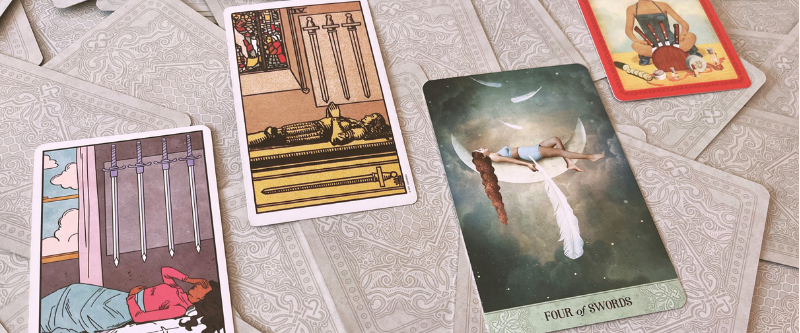
The Four of Swords is often depicted as a figure lying in repose, sometimes on a tomb or a stone slab, surrounded by swords hanging on the wall. This imagery alone speaks volumes—it’s a card of stillness, a moment frozen in time where action is paused, and the mind is given space to breathe. Unlike the active energy of other swords cards, this one is about withdrawal, not confrontation. It’s the tarot’s way of saying, “Stop. Breathe. Recharge.” But rest here isn’t just about physical recovery; it’s a mental and emotional reset. The swords in the background symbolize thoughts, ideas, or even conflicts that have been set aside, at least for now. This card encourages you to step back from the noise and listen to what your inner voice is trying to tell you.

In a reading, the Four of Swords often appears when you’ve been pushing too hard—whether in work, relationships, or personal goals—and your body or mind is sending a clear signal: it’s time to slow down. It’s not a card of laziness or avoidance; it’s a strategic pause. Think of it as the difference between running a marathon without water and taking a moment to hydrate before continuing. The card doesn’t promise immediate results, but it does promise that this rest will fuel your next steps. If you’ve been feeling drained or overwhelmed, this card is a gentle nudge to prioritize self-care without guilt.

Yet, the Four of Swords isn’t always about voluntary rest. Sometimes, it reflects a forced pause—illness, burnout, or external circumstances that leave you with no choice but to stop. In these cases, the card can feel frustrating, even resentful. You might wonder, “Why now? Why me?” This duality is part of its complexity. The Four of Swords asks you to examine not just the rest itself, but your relationship to it. Are you resisting the pause, or are you embracing it as a necessary part of your journey?
Rest vs. Resentment: The Hidden Emotions Behind the Card
While the Four of Swords is primarily associated with rest, its shadow side is resentment—a quiet, simmering frustration that can arise when rest feels like a punishment rather than a gift. This resentment might stem from feeling forced into inactivity, whether by circumstances or your own expectations. For example, if you’re someone who prides yourself on productivity, being told to slow down can feel like a failure. Or, if you’re in a situation where rest is the only option (like during an illness), resentment can creep in as you compare your current state to what you *could* be doing.
Resentment in the context of the Four of Swords often reveals itself in subtle ways. You might find yourself snapping at loved ones who try to help, or feeling irritable when others are active while you’re stuck in place. This card asks you to confront these feelings head-on. Ask yourself: What am I resisting about this rest? Is it the loss of control, the fear of falling behind, or the belief that rest is a sign of weakness? Acknowledging these emotions is the first step toward transforming them. The Four of Swords doesn’t just offer a break; it offers an opportunity to reframe rest as an act of strength, not surrender.
Another layer of resentment can come from feeling like you’re the only one who needs to pause. In a collective or fast-paced environment, taking time off can feel isolating. You might worry about being left behind or judged for your inactivity. The Four of Swords challenges this narrative by reminding you that rest is not a luxury—it’s a necessity. Even in a world that glorifies constant motion, this card is a rebellion. It says, “I choose to honor my limits.” When resentment arises, it’s often a sign that you’re denying yourself this basic right.
Promises of a Shift in Perspective
One of the most powerful promises of the Four of Swords is the shift in perspective it brings. Rest isn’t just about recovery; it’s about clarity. When you step away from the chaos, even temporarily, your mind has the space to process what’s been happening. This card often appears when you’re on the verge of a breakthrough, but you can’t see it yet because you’re too close to the situation. The pause it offers is like hitting the “refresh” button on your thoughts. Suddenly, problems that seemed insurmountable might appear smaller, or solutions that were invisible before become clear.
This shift in perspective can also reveal hidden truths about your motivations. Are you resting because you genuinely need it, or because you’re avoiding something? The Four of Swords doesn’t judge—it simply invites you to look deeper. For instance, if you’re procrastinating on a difficult task, the card might appear as a sign to address the root cause rather than just the symptom. Alternatively, if you’re avoiding a confrontation or a hard truth, the rest it offers could be the perfect time to reflect on why. The clarity that comes from this card isn’t always comfortable, but it’s always necessary.
In relationships, the Four of Swords can signal a need for emotional distance—not to punish, but to gain perspective. If you’ve been in a cycle of conflict or miscommunication, this card might be urging you to take a step back. It’s not about cutting ties; it’s about giving yourself (and the other person) the space to see things differently. This kind of rest can mend fractures that seemed irreparable. It’s a reminder that sometimes, the most loving thing you can do is to pause and return with a fresh mind.
The promise of a shift in perspective also extends to your relationship with time. The Four of Swords teaches that rest isn’t a waste of time—it’s an investment. In a culture that equates busyness with worth, this card is a radical act of self-respect. It says, “My time is valuable, and so am I.” When you embrace this mindset, you start to see rest not as a detour, but as part of the journey. The clarity it brings can redefine your goals, priorities, and even your definition of success.
How to Work with the Four of Swords in Your Life
If the Four of Swords appears in a reading, it’s an invitation to take action—but not the kind you might expect. Here’s how to work with this card in practical ways:
- Create a Rest Ritual: The Four of Swords thrives in intentionality. Instead of waiting for exhaustion to force a pause, design a rest ritual that works for you. This could be a daily meditation, a weekend retreat, or even a simple hour of silence each day. The key is to make it a habit, not a last resort.
- Journal to Uncover Resentment: If you’re feeling resistant to rest, write down what comes up. Are you afraid of losing momentum? Do you feel guilty for taking time off? Journaling can help you identify the beliefs holding you back and reframe them.
- Set Boundaries: Rest isn’t just about physical relaxation; it’s about emotional and mental boundaries too. If certain people or situations drain you, the Four of Swords might be asking you to create space. This could mean saying no, delegating tasks, or simply stepping away from toxic dynamics.
- Reconnect with Your Body: The Four of Swords is deeply connected to the body. If you’ve been ignoring physical signals like fatigue or stress, this card is a reminder to listen. Try gentle movement, like yoga or walking, to reconnect with your physical needs.
- Use the Pause for Reflection: Don’t just rest passively—use the time to reflect. Ask yourself: What have I been avoiding? What do I need to let go of? What’s one small step I can take when I’m ready to return?
Remember, the Four of Swords isn’t about permanent withdrawal. It’s about the ebb and flow of energy. After a period of rest, you’ll return with renewed strength and a clearer mind. The key is to honor the pause without letting it become a prison of resentment or stagnation.
Conclusion
The Four of Swords is more than just a card of rest—it’s a mirror that reflects your relationship with stillness, your fears around inactivity, and your potential for transformation. It promises a shift in perspective, but only if you’re willing to embrace the pause without resistance. Whether you’re recovering from burnout, avoiding a hard truth, or simply needing a moment to breathe, this card is a reminder that rest is not a luxury; it’s a necessity for growth.
As you move forward, let the Four of Swords guide you toward a deeper understanding of your needs. Rest isn’t the opposite of progress; it’s a part of it. And when you allow yourself to pause, you create the space for clarity, healing, and ultimately, a more intentional way of living. The next time this card appears in your life or in a reading, ask yourself: What is this rest asking me to see? The answer might just change everything.
FAQ
What does the Four of Swords symbolize in tarot?
The Four of Swords symbolizes rest, recovery, and a pause for reflection, often indicating a need to step back and recharge.
How can I work with the Four of Swords in my life?
You can create a rest ritual, journal to uncover feelings, set boundaries to protect your energy, and reconnect with your body.
Leave a Reply