Short Answer
Amidst the myriad of spiritual practices and esoteric traditions, tarot cards occupy a unique niche that often invites skepticism, particularly from Christian perspectives. The intriguing imagery and symbolism of tarot can entice one to explore beyond mere cards, stirring curiosity about their deeper meanings and implications. For those inclined towards Christianity, examining tarot through a theological lens reveals a nuanced tapestry of interpretation that challenges conventional views. This exploration not only promises a shift in perspective but also encourages a deeper understanding of the sacred and the mystical.
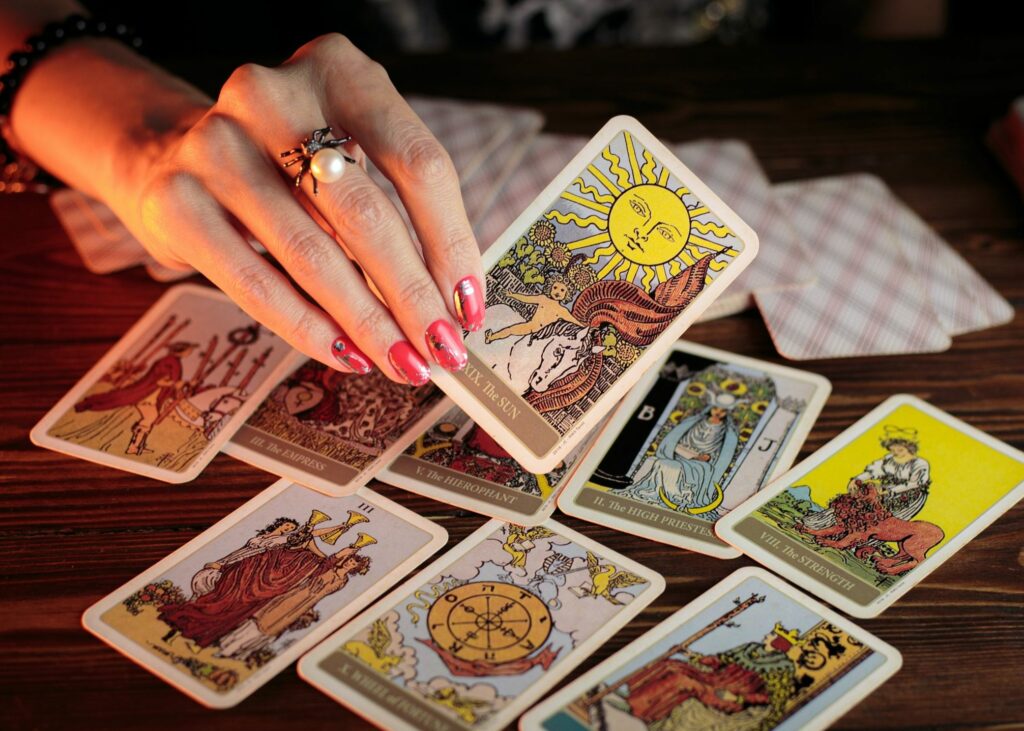
At their essence, tarot cards are a deck of 78 cards, typically divided into the Major and Minor Arcana, each serving to convey symbolic narratives. The Major Arcana encompasses 22 cards that represent significant life themes and archetypes, while the Minor Arcana dives into more quotidian experiences. Each card is rich in symbolic vibrancy, invoking a range of emotions and insights. However, the Christian perspective necessitates a careful consideration of these symbols and their implications for faith and spirituality.
Emblematic of the broader spiritual journey, the Fool card emerges as a point of intrigue. Representing beginnings, innocence, and spontaneity, the Fool encourages one to embrace the unknown. In a Christian context, this card resonates with themes of faith, which often calls believers to step boldly into unchartered waters, much like the Apostles who left their nets to follow Jesus. There’s a raw vulnerability inherent in both the Fool’s journey and the Christian call to discipleship, encouraging a relinquishing of control in favor of divine guidance.
Conversely, the Death card, often misconstrued as a purely ominous portent, actually signifies transformation and renewal. In Christianity, death is not the end but a gateway to new life, as articulated in the resurrection of Christ. This card serves as an invitation to relinquish outdated beliefs and patterns, fostering a readiness to embrace new phases of one’s spiritual life. The intersection of these interpretations illuminates the transformative power of faith—an invitation to see experiences of loss not merely as finality but as opportunities for rebirth.
The High Priestess card represents intuition and the mysteries of the unconscious mind. In a Christian framework, this invitation to look inward resonates with the practice of prayer and meditation. Just as believers are encouraged to seek God through introspection, the High Priestess symbolizes the necessity for silence and reflection. This profound connection highlights an alignment between personal spiritual journeys and the broader mystical aspects of the universe, encouraging seekers to trust their inner voice guided by faith.
Furthermore, the Tower card, often associated with upheaval, can prompt a ruminative view within Christianity. While it may suggest chaos and destruction, it also signifies clarity following turmoil. This mirrors the biblical principle of refinement through trials—akin to how gold is purified in fire. Thus, the Tower urges faithful individuals to embrace life’s consequences, seeing them as divinely orchestrated moments of growth that can lead to deeper wisdom and reliance on divine strength.
The suits of the Minor Arcana extend these explorations of spirituality into more relatable, everyday contexts. For instance, the suit of Cups, with its associations with emotions and relationships, prompts reflections on love, compassion, and community—elements central to Christian teachings. Cards within this suit invoke the importance of connection and the sharing of love, encouraging faithful individuals to manifest the Christ-like qualities of empathy and grace in their interactions.
As one contemplates the suits of Swords, the mental complexities and conflicts emerge. This suit serves as a reminder that faith is often accompanied by struggles, mirroring the biblical narratives of doubt and resistance. Engaging with the Swords invites believers to confront their anxieties and harness their cognitive faculties. It provokes thought regarding spiritual warfare, the introspective battles all faithful followers encounter in their walk with God, underscoring that the journey of faith is as much about overcoming internal conflicts as it is about external manifestations.
The suit of Wands, embodying action and inspiration, evokes themes of purpose and spiritual calling. In Christian belief, this resonates well with the idea of vocation—the divine invitation to foster one’s God-given talents for the benefit of others. Engaging with the Wands encourages an awakening to one’s purpose, challenging individuals to reflect on how their gifts can serve the community and advance God’s kingdom on Earth.
Finally, the suit of Pentacles, concerned with material aspects and the physical realm, promotes reflections on stewardship and responsibility. The bonds between faith and practical life responsibilities are epitomized in this suit, encouraging believers to consider how they utilize their resources in alignment with Christian principles of generosity and service. The cards in this suit raise essential inquiries about the relationship between faith and worldly possessions, urging a balanced perspective that does not elevate materialism above spiritual well-being.
Ultimately, while tarot cards embody an intricate tapestry of meanings, their interpretations can resonate deeply within a Christian framework when approached with an open mind and spirit. Engaging with tarot does not necessitate a departure from Christian doctrine but rather an invitation to see the overlapping realms of the spiritual journey and the ongoing quest for understanding. The images and narratives woven into tarot cards beckon individuals into a richer, more dynamic exploration of their faith, encouraging them to navigate their paths with curiosity and an expanding consciousness of divine mystery.
FAQ
What are tarot cards?
Tarot cards are a deck typically consisting of 78 cards used for divination and gaining insights into personal situations.
How can tarot cards be interpreted from a Christian perspective?
Tarot cards can be interpreted as tools for reflection and understanding, aligning their meanings with Christian themes like faith, transformation, and spiritual growth.
Leave a Reply