Short Answer
Welcome to a deep exploration of tarot cards and their profound meanings. In this guide, you’ll uncover the essence of tarot as a tool for self-reflection, divination, and personal growth. We’ll focus specifically on the Devil card, a powerful archetype that promises a transformative shift in perspective. Whether you’re a seasoned tarot reader or a curious beginner, this guide will illuminate the symbolism, interpretations, and implications of tarot cards, with a special emphasis on the Devil card’s ability to challenge perceptions and spark curiosity.
The Essence of Tarot Cards
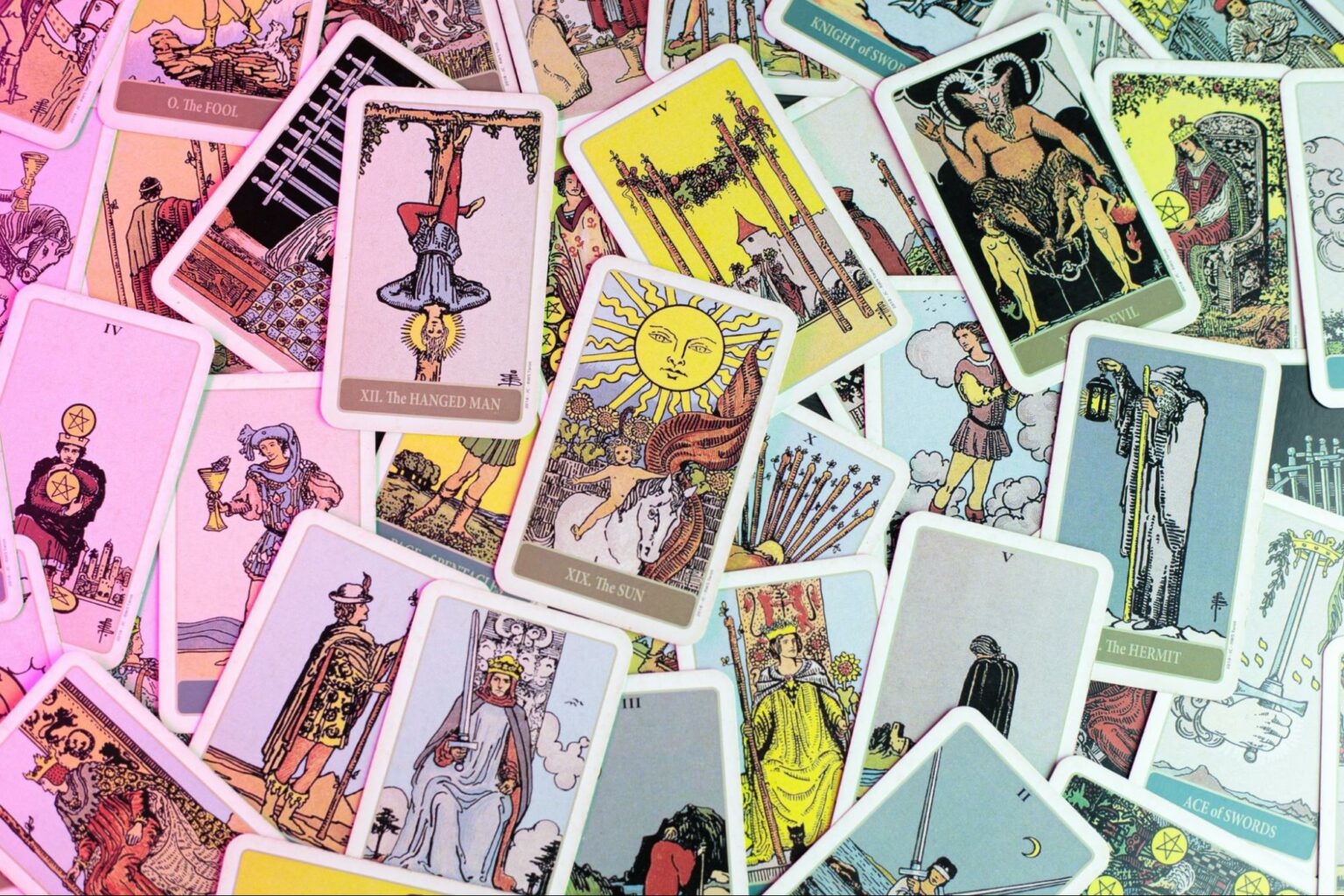
Tarot cards are more than just a deck of illustrated cards; they are a mirror to the human experience. Traditionally consisting of 78 cards divided into the Major Arcana and Minor Arcana, tarot serves as a visual language that taps into universal themes, emotions, and life lessons. The Major Arcana represents significant life events and spiritual growth, while the Minor Arcana reflects everyday situations and challenges. Each card carries rich symbolism, inviting introspection and guidance.
At their core, tarot cards act as a bridge between the conscious and subconscious mind. They encourage self-awareness, helping individuals navigate life’s complexities by offering clarity and perspective. Whether used for meditation, divination, or personal development, tarot cards provide a framework for understanding the human condition and the choices we make.
Understanding the Major Arcana
The Major Arcana consists of 22 cards, each representing a pivotal moment or archetype in the journey of life. These cards often appear in readings to signify major influences or turning points. From The Fool’s journey of innocence and adventure to The World’s completion and fulfillment, the Major Arcana encapsulates the full spectrum of human experience. Each card is a chapter in a larger story, offering insights into personal growth, challenges, and transformations.
For example, The Magician symbolizes manifestation and resourcefulness, while The High Priestess represents intuition and hidden knowledge. These cards serve as reminders of the power within us to shape our destiny and trust our inner wisdom. Understanding the Major Arcana is essential for grasping the deeper messages tarot has to offer.
Exploring the Minor Arcana
The Minor Arcana is divided into four suits—Cups, Pentacles, Swords, and Wands—each corresponding to an element and a facet of life. Cups relate to emotions and relationships, Pentacles to material wealth and practical matters, Swords to intellect and conflict, and Wands to creativity and passion. With 56 cards in total, the Minor Arcana delves into the nuances of daily life, offering guidance on specific situations and challenges.
Each suit contains numbered cards from Ace to Ten, as well as court cards (Page, Knight, Queen, King) that represent personalities or energies. For instance, the Three of Cups celebrates friendship and joy, while the Five of Pentacles highlights financial struggle and the need for support. The Minor Arcana provides a detailed map for navigating the complexities of everyday existence, making tarot a versatile tool for all aspects of life.
The Devil Tarot Card: An Overview
The Devil card, numbered XV in the Major Arcana, is one of the most enigmatic and misunderstood cards in the tarot deck. Often depicted with a horned figure and chained figures at its feet, the card symbolizes bondage, temptation, and the shadow self. However, its deeper meaning transcends mere negativity, offering a profound lesson about breaking free from self-imposed limitations and illusions.
At its core, the Devil card represents the chains we create through fear, addiction, or unhealthy attachments. It asks us to examine the habits, beliefs, or relationships that hold us back from our true potential. While the card may initially evoke feelings of unease, its presence in a reading is a call to confront these chains and reclaim personal power. The Devil card promises a shift in perspective, urging us to see beyond illusions and embrace liberation.
Symbolism and Imagery of the Devil Card
The imagery of the Devil card is rich with symbolism, each element offering clues to its deeper meaning. The horned figure, often associated with Baphomet or the Greek god Pan, represents primal energy, instinct, and the shadow self. The chains around the figures at its feet symbolize bondage, but they are loose and can be easily removed, suggesting that the imprisonment is often self-imposed. The inverted pentagram on the figure’s forehead signifies the materialistic and earthly focus that distracts from spiritual growth.
The flames on the figure’s torch represent both destruction and transformation, while the inverted pentagram on its head underscores the reversal of spiritual values. The two figures at its feet, often depicted as a man and a woman, symbolize the duality of human nature—our capacity for both light and shadow. Together, these elements paint a picture of temptation, illusion, and the potential for liberation through self-awareness.
Interpretations of the Devil Card in Readings
In a tarot reading, the Devil card can appear in various contexts, each offering unique insights. When upright, it may indicate a period of temptation, unhealthy attachments, or feeling trapped in a situation. It could represent toxic relationships, addictions, or self-destructive behaviors that need to be addressed. The card serves as a wake-up call, urging the querent to recognize their role in perpetuating these patterns and take steps toward liberation.
When reversed, the Devil card suggests breaking free from these chains. It signifies a release of old habits, a newfound sense of empowerment, and the courage to confront fears. This reversal can also indicate a need to examine the illusions that have been holding you back, whether they are societal expectations, limiting beliefs, or external pressures. The reversed Devil card is a powerful symbol of transformation and reclaiming personal agency.
In relationship readings, the Devil card may highlight codependency, power imbalances, or unhealthy dynamics. It encourages the querent to evaluate whether the relationship is truly serving their highest good or if it is a source of bondage. For career readings, it might suggest feeling trapped in a job or being controlled by external expectations. The Devil card challenges us to question the status quo and seek paths that align with our true desires.
Common Misconceptions About the Devil Card
One of the most pervasive misconceptions about the Devil card is that it represents pure evil or malevolence. In reality, the card is a neutral force, reflecting the duality of human nature and the choices we make. It does not condemn but rather invites introspection and growth. Another common misunderstanding is that the Devil card is always a negative omen. While it can highlight struggles, it also carries the promise of liberation and transformation, making it a catalyst for change.
Some may associate the Devil card with literal demonic forces, but in tarot, it is a metaphor for the shadows within us—the fears, desires, and attachments that shape our reality. By confronting these shadows, we can transcend them and emerge stronger. The Devil card is not a judgment but an invitation to evolve, making it a vital tool for personal development.
How the Devil Card Promises a Shift in Perspective
The Devil card is a masterful teacher, offering a shift in perspective that can be both unsettling and liberating. It challenges us to look beyond surface-level appearances and recognize the illusions we’ve created. Whether it’s an addiction, a toxic relationship, or a limiting belief, the Devil card forces us to confront the truth and take responsibility for our lives. This shift in perspective is not about punishment but about empowerment—it’s an opportunity to break free and reclaim agency.
For example, someone struggling with procrastination might see the Devil card as a sign to examine the underlying fears or self-sabotaging behaviors that are holding them back. By acknowledging these patterns, they can take proactive steps to change their approach and achieve their goals. The Devil card doesn’t just highlight the problem; it points to the solution, urging us to rise above our limitations and embrace our potential.
Piquing Curiosity: The Devil Card as a Catalyst for Exploration
The Devil card has a unique ability to pique curiosity and spark deeper inquiry. Its provocative imagery and challenging themes invite us to explore the darker aspects of our psyche and the world around us. Rather than shying away from discomfort, the card encourages us to lean into it, knowing that growth often lies on the other side of fear. This curiosity can lead to profound self-discovery and a greater understanding of our motivations, fears, and desires.
For instance, a tarot reader might use the Devil card to explore themes of addiction, codependency, or societal pressures in a reading. By asking open-ended questions—such as “What chains am I carrying?” or “What illusions am I clinging to?”—the querent can delve into the root causes of their struggles and find pathways to healing. The Devil card acts as a catalyst, inspiring curiosity and a willingness to confront the unknown.
Practical Tips for Working with the Devil Card
If the Devil card appears in your reading, consider it an invitation to reflect on your life and the choices you’re making. Start by identifying any areas where you feel trapped or controlled, whether by external circumstances or internal beliefs. Journaling can be a powerful tool for uncovering patterns and gaining clarity. Ask yourself: What am I afraid of? What habits or relationships no longer serve me? How can I break free from these chains?
Meditation and mindfulness practices can also help you connect with the deeper messages of the Devil card. Visualize yourself removing the chains and stepping into a space of liberation. You might also explore shadow work, a practice that involves acknowledging and integrating the darker aspects of yourself. By facing your shadows, you can transform them into sources of strength and wisdom.
In your daily life, the Devil card can serve as a reminder to stay vigilant against self-sabotage. Whether it’s procrastination, negative self-talk, or unhealthy attachments, be mindful of the choices you make. The card encourages you to take responsibility for your actions and make decisions that align with your highest good. Trust that liberation is possible, and take small steps toward breaking free from what no longer serves you.
Conclusion
Tarot cards are a gateway to self-discovery, offering insights into the human experience and the choices we make. The Devil card, in particular, is a powerful archetype that challenges us to confront our shadows and break free from self-imposed limitations. While it may initially evoke feelings of unease, its presence in a reading is a promise of transformation and liberation. By embracing the lessons of the Devil card, we can shift our perspective, pique our curiosity, and embark on a journey of growth and empowerment.
Whether you’re new to tarot or a seasoned practitioner, the Devil card reminds us that our greatest challenges are also our greatest teachers. It encourages us to look beyond illusions, take responsibility for our lives, and reclaim our personal power. As you explore the world of tarot, let the Devil card be a guide—a symbol of liberation and a catalyst for profound change.
FAQ
What does the Devil card in tarot represent?
The Devil card symbolizes bondage, temptation, and the shadow self, urging individuals to confront self-imposed limitations and illusions.
How should I interpret the Devil card when it appears in a reading?
When upright, it may indicate unhealthy attachments or feelings of being trapped. Reversed, it suggests breaking free from these chains and reclaiming personal agency.
Is the Devil card always negative?
No, the Devil card invites introspection and growth, offering the potential for liberation and transformation.
Leave a Reply