Short Answer
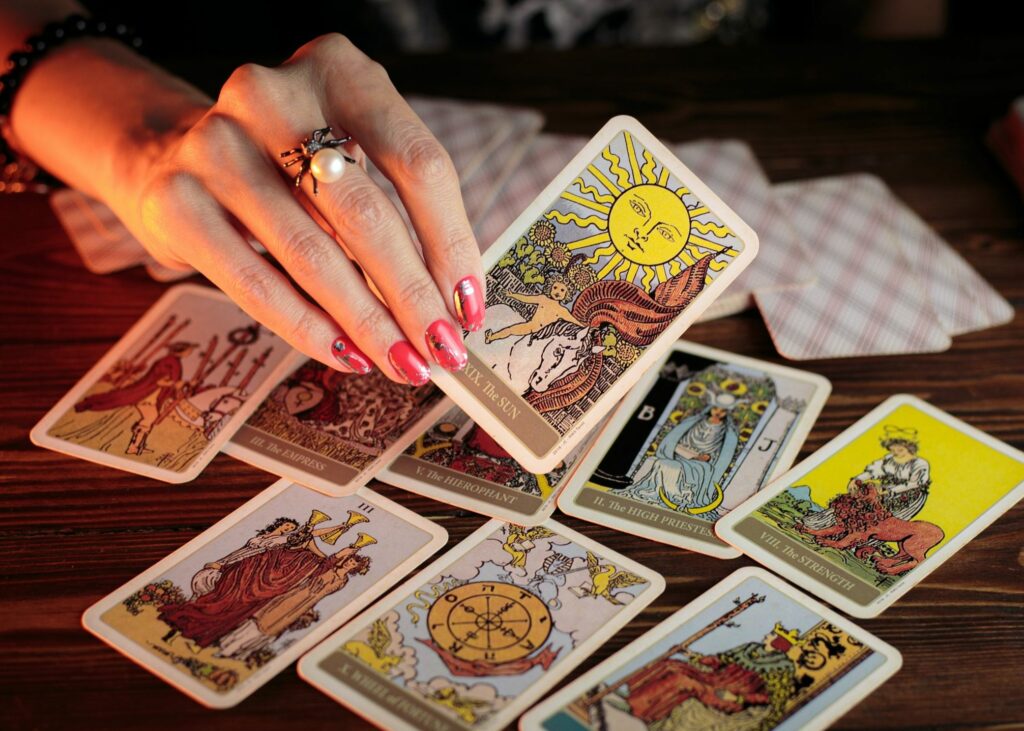
Tarot cards, with their rich tableau of symbols and archetypes, have evoked curiosity and intrigue in the hearts of many sincere seekers, even within the Christian community. This fascination is not merely a frivolous pursuit; it raises profound questions about spirituality, interpretation, and the nature of divine guidance. The intermingling of tarot and Christianity invites a deeper examination of how these seemingly disparate worlds can coalesce, challenging preconceived notions and offering unique insights.
At first glance, tarot cards may appear incompatible with Christian doctrine. Many Christians regard them as tools of divination, potentially veering toward occult practices that are unequivocally denounced in the Bible. Passages such as Deuteronomy 18:10-12 warn against engaging in sorcery or invoking spirits, illuminating concerns over the ethical implications of seeking guidance from sources outside of faith. Nevertheless, the enchanting imagery of tarot cards and their ancient origins provoke a more expansive discussion about their meanings and relevance, even in a Christian context.
The aesthetic appeal of tarot cards is undeniable. The vibrant illustrations and archetypical representations provide an artistic lens through which we can reflect on our own lives. Consider the depiction of the Fool – a symbol of potential, innocence, and spontaneity. To a Christian, this card could embody the call to faith, suggesting that like the Fool, believers are encouraged to embark on their spiritual journeys with trust and openness. Such interpretations bridge the gap between spirituality and human experience, illustrating how tarot can reflect individual narratives that align with Christian faith.
A common observation among those who study tarot is that it serves as a mirror to the psyche, prompting an inward examination. This aspect resonates with Christian teachings about the importance of self-reflection and repentance. Through the lens of tarot, believers can encounter prompts for introspection that align with Christian practices of prayer and meditation. For instance, the card representing the High Priestess may be interpreted as a symbol of intuition and spiritual enlightenment, echoing biblical encouragement to seek wisdom and understanding from God. In essence, tarot could be viewed as a tool for enhancing one’s spiritual walk, providing an avenue for deeper connection with the divine.
Furthermore, the structure and narrative of the tarot deck, replete with 78 cards divided into Major and Minor Arcana, can reflect biblical principles. The Major Arcana consists of 22 cards representing significant life events and spiritual lessons, akin to parables in scripture that convey moral and ethical teachings. Each card tells a story, much like the lessons revealed through the lives of biblical figures. For instance, the Death card, often misconstrued, symbolizes transformation rather than demise. This parallels Christian themes of resurrection and renewal, emphasizing the belief that through faith, believers can experience profound transformations in their lives.
Critics may argue that the esoteric nature of tarot can lead individuals astray. However, proponents assert that when approached thoughtfully and with discernment, tarot can coexist with Christian beliefs. The juxtaposition of these two realms prompts questions that resonate with the innate human desire for meaning and guidance. This intersection embodies a rich tapestry of spirituality where symbols serve as avenues for divine enlightenment. The exploration of tarot through a Christian lens can unravel deeper layers of meaning that enhance one’s faith journey.
Another compelling aspect is the communal experience of engaging with tarot. Groups of individuals often gather to share interpretations and stories, creating an environment of fellowship. This aspect mirrors the communal nature of Christianity, where believers come together to share testimonies and support one another in their spiritual journeys. By fostering dialogue centered around tarot, participants can explore personal insights that resonate with Christian teachings of love, grace, and redemption.
Moreover, the interpretation of tarot cards as a purely whimsical exercise diminishes their potential for spiritual insight. Engaging with the decks invites individuals to confront their fears, hopes, and desires. A Christian perspective may encourage believers to view tarot as a practical exercise in accountability, where they can align their life choices with their spiritual convictions. The introspective nature of tarot fosters a deeper understanding of one’s relationship with God, highlighting areas of growth and inviting divine guidance at every step.
In conclusion, the exploration of tarot cards within a Christian framework provides an opportunity for a harmonious dialogue between spiritual practices. The lure of tarot lies not solely in predictions but in the rich symbolism that encourages personal reflection, transformation, and divine connection. While navigating this terrain may require caution and discernment, it ultimately opens the door to a more comprehensive understanding of faith and the human experience. Tarot, therefore, can serve as an unconventional yet valuable companion on the spiritual journey, inviting believers to delve deeper into their walk with God.
FAQ
What are tarot cards?
Tarot cards are a deck of 78 cards used for divination and introspection, consisting of Major and Minor Arcana.
Can tarot cards be used in a Christian context?
Yes, some interpretations suggest that tarot can enhance spiritual reflection and self-understanding within a Christian framework.

Leave a Reply