Short Answer
Welcome to your guide on understanding the deeper layers of the Hierophant tarot card, specifically when it appears as the fifth card in a reading. This guide will explore its symbolism, traditional meanings, and how it might pose a playful yet thought-provoking challenge in your life. By the end, you’ll have a clearer picture of what this card is inviting you to consider and how to navigate its energy with confidence.
The Hierophant as the Fifth Card: A Bridge Between Worlds
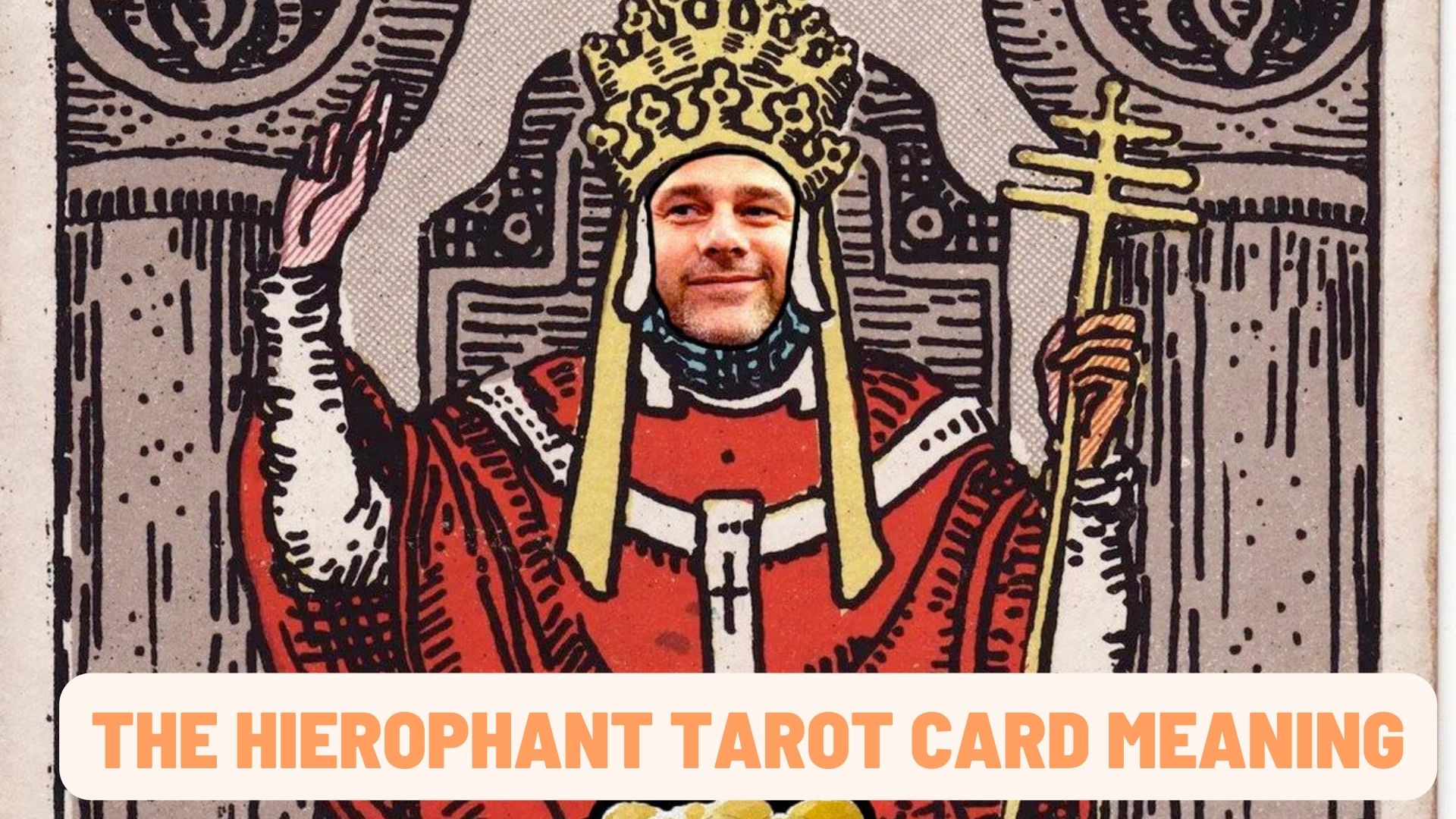
The Hierophant, often depicted as a wise spiritual leader seated between two pillars, represents tradition, guidance, and the search for meaning through established systems. When it appears as the fifth card in a spread, it suggests a moment of reflection on your beliefs, values, and the structures you rely on for wisdom. This card doesn’t just hand you answers—it invites you to ask deeper questions. Are you following a path because it feels right, or because it’s what you’ve been taught? The Hierophant challenges you to examine the foundations of your choices and consider whether they truly align with your inner truth.
Imagine the Hierophant as a mentor who doesn’t give you fish but teaches you how to fish. The fifth card’s energy emphasizes the importance of learning from experience and tradition, but also warns against blindly adhering to rules without questioning their relevance to your life. It’s a card of mentorship, education, and spiritual growth, but it also carries a playful twist: what if the teacher is wrong? This card nudges you to stay curious and not take any single source of wisdom at face value.
Symbolism and Imagery: Decoding the Hierophant’s Visual Language
The Hierophant’s imagery is rich with symbols that speak to its meaning. The two pillars flanking the figure often represent duality—light and dark, conscious and subconscious, or even two opposing belief systems. This duality isn’t meant to confuse you but to highlight the importance of balance. The Hierophant sits between these pillars, suggesting that wisdom comes from understanding both sides of an issue rather than choosing one over the other.
In many decks, the Hierophant holds a triple scepter, symbolizing the three realms of body, mind, and spirit. This reinforces the card’s connection to holistic learning and the integration of knowledge across different areas of life. The crossed keys at his feet are another key (pun intended) symbol, representing the unlocking of hidden truths or the access to deeper spiritual insights. When the Hierophant appears as the fifth card, these symbols remind you that your journey isn’t just about accumulating facts—it’s about synthesizing wisdom and applying it to your unique path.

Traditional Meanings and Modern Interpretations
Traditionally, the Hierophant is associated with religion, spirituality, and conformity. It often appears when you’re seeking guidance from mentors, teachers, or established institutions. In a modern context, however, this card’s meaning has expanded to include personal belief systems, ethical dilemmas, and the search for authenticity. When it shows up as the fifth card, it might indicate that you’re at a crossroads where tradition and innovation collide. Perhaps you’re questioning a long-held belief, or you’re being called to reconcile your personal values with external expectations.
One of the most playful yet challenging aspects of the Hierophant is its role as a gatekeeper of knowledge. It can represent both the comfort of familiar teachings and the frustration of feeling boxed in by rigid structures. For example, if you’ve been raised in a specific religious or cultural tradition, the Hierophant might ask you to explore whether that path still resonates with you. Alternatively, if you’re someone who thrives on breaking rules, this card could be a gentle nudge to consider the value in tradition before dismissing it entirely. The fifth card’s energy is all about finding harmony between the old and the new.
Posing a Playful Question: What If the Hierophant is Wrong?
Here’s where the Hierophant gets interesting. This card loves to pose a playful yet profound question: What if the teacher is wrong? It’s not about disrespecting wisdom or authority, but about recognizing that no single source holds all the answers. The Hierophant as the fifth card might be inviting you to question the status quo, whether that’s a societal norm, a family tradition, or even your own long-held beliefs. This isn’t about rebellion for the sake of it—it’s about discernment. Are the rules you’re following truly serving you, or are they holding you back from growth?
Consider this scenario: You’ve always believed that success means climbing the corporate ladder, but the Hierophant’s fifth card energy might ask, What if there’s another way to define success? Or perhaps you’ve been taught that certain paths are “right” or “wrong,” and this card challenges you to explore those definitions for yourself. The playful challenge here is to stay open-minded while also trusting your intuition. The Hierophant doesn’t want you to reject tradition outright—it wants you to engage with it critically and make it your own.
Potential Challenges and How to Navigate Them
While the Hierophant is a card of wisdom, it can also bring challenges, especially when it appears as the fifth card. One common challenge is the feeling of being stuck between two worlds—perhaps you’re torn between following your heart and adhering to external expectations. This card might highlight a tension between conformity and authenticity, urging you to find a middle path. Another challenge could be the pressure to conform to a belief system or lifestyle that no longer feels authentic. The Hierophant asks you to examine whether you’re staying true to yourself or simply going through the motions.
To navigate these challenges, start by asking yourself what truly matters to you. Are you following a path out of habit, fear, or genuine conviction? The Hierophant encourages you to seek mentors and teachers who align with your values, but also to trust your own inner voice. If you’re feeling conflicted, try journaling about the beliefs or traditions that feel restrictive. Write down what resonates and what doesn’t, and explore where those feelings come from. This card’s energy is about growth through reflection, so give yourself permission to question, explore, and evolve.
Practical Steps to Work with the Hierophant’s Energy
If the Hierophant as the fifth card has caught your attention, here are some practical steps to work with its energy:
- Seek Mentorship: If you’re feeling lost or uncertain, look for a mentor or teacher who can guide you without imposing their beliefs on you. The Hierophant is about learning, but it’s also about discernment.
- Question Your Beliefs: Take time to reflect on the beliefs and traditions you’ve inherited. Are they still serving you, or do they need to be reevaluated?
- Explore Alternative Paths: If you’re feeling constrained, explore new ways of thinking or living. This could mean trying a different spiritual practice, taking a class, or simply spending time in nature to reconnect with your intuition.
- Trust Your Intuition: The Hierophant reminds you that while external guidance is valuable, your inner wisdom is just as important. Meditate, journal, or spend time in silence to listen to your inner voice.
- Balance Tradition and Innovation: Find ways to honor tradition while also embracing change. This could mean blending old and new practices in your spiritual or personal life.
Conclusion: Embracing the Hierophant’s Wisdom
The Hierophant as the fifth card is a powerful reminder that wisdom isn’t about having all the answers—it’s about asking the right questions. This card invites you to explore the traditions and beliefs that shape your life, while also challenging you to think critically and stay true to yourself. It’s a playful nudge to question the status quo, but also a gentle guide to help you find your own path.
Whether you’re feeling called to reevaluate your beliefs, seek out mentors, or simply explore new ways of thinking, the Hierophant’s energy is here to support you. Remember, this card isn’t about rejecting tradition outright—it’s about integrating it in a way that feels authentic to you. So embrace the curiosity it brings, stay open to growth, and trust that your journey is uniquely yours to navigate.
FAQ
What does The Hierophant tarot card represent?
The Hierophant represents tradition, guidance, and the search for meaning through established systems, often challenging you to reflect on your beliefs and values.
How should I interpret The Hierophant as the fifth card in a tarot reading?
As the fifth card, The Hierophant invites you to consider your alignment with tradition versus innovation, urging you to question inherited beliefs and seek authentic paths.
Leave a Reply