Short Answer
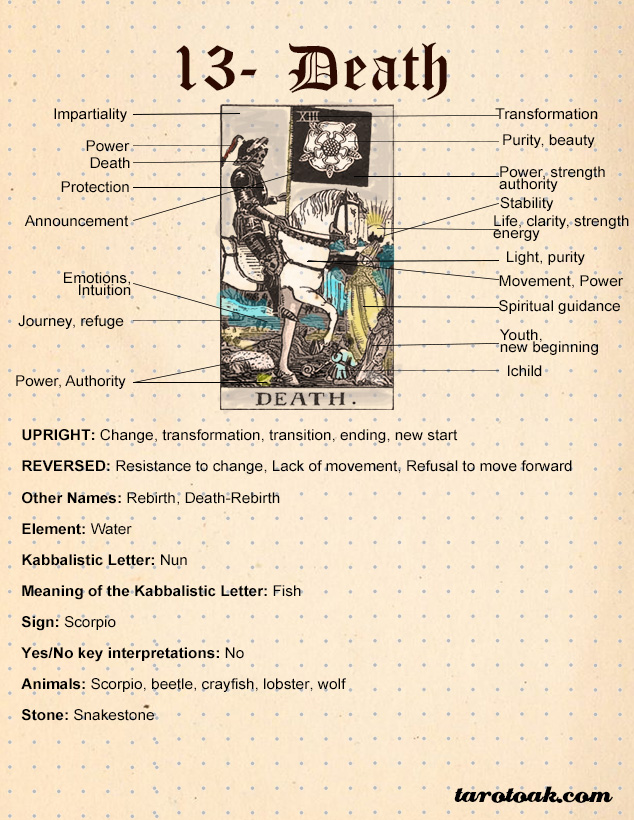
The Death card in tarot holds enigmatic significance, especially when interpreted through the lens of relationships within the realm of Christian perspectives. Contrary to the ominous connotations often associated with the term “death,” this card primarily resonates with themes of transformation, renewal, and the cyclical nature of existence. In the context of relationships, understanding the Death card invites a profound exploration of endings and beginnings, urging individuals to embrace change and foster growth within their interpersonal connections.
When the Death card appears in a reading concerning relationships, it may symbolize the conclusion of a phase or the necessity for a transformative shift. Often, this entails releasing old patterns, grudges, or emotional baggage that impede the development of healthy relationships. The Christian perspective on death frequently revolves around resurrection and the promise of new life, paralleling the transformative essence embodied by the Death card. Just as Christ’s death led to a resurrection, so too can the end of toxic behaviors herald a more profound relational awakening.
One essential aspect to consider is the duality of endings and beginnings. In Christian doctrine, the concept of dying to one’s old self and being reborn is prevalent, reflecting the transformative promise encapsulated by the Death card. For couples facing tumultuous periods, this card may signal the importance of confronting difficult truths, thereby paving the way for a rejuvenated relationship. It serves as a reminder that while a particular chapter may conclude, it is not the end of the narrative but a transition toward something more harmonious and fulfilling.
Furthermore, the Death card emphasizes the importance of surrendering to inevitable changes. In relationships, partners may sometimes grapple with fear and resistance to letting go of familiar dynamics. From a Christian perspective, embracing change can be likened to trusting in God’s divine plan. The act of relinquishing control is monumental, as it encourages individuals to invite divine guidance and to let faith steer their relational journeys.
Compassion and forgiveness play vital roles in the transformation symbolized by the Death card. In the Christian context, the principles of forgiveness and love are paramount. When a relationship experiences discord, the Death card’s presence may prompt partners to examine their grievances and consider a path towards reconciliation. Just as Jesus exemplified boundless compassion, so must couples strive to mend the rifts through understanding, openness, and a willingness to heal. This can manifest as either an invitation to repair the connection or, in some instances, a call to part ways amicably, recognizing that some relationships serve their divine purpose only for a season.
Moreover, the Death card encourages the exploration of personal growth within relationships. As each partner evolves individually, so too must the dynamic evolve. The Christian faith often underscores the importance of self-reflection, urging believers to cultivate their relationship with God as foundational. In tandem, individual spiritual growth can profoundly impact romantic partnerships. The transformative energy of the Death card invites introspection—do both partners engage in personal and spiritual development? Are they nurturing one another’s growth? The answers can guide realignment and renew relational bonds.
It is also pertinent to consider the societal implications of the message carried by the Death card. In a rapidly changing world, the need for adaptability in relationships becomes paramount. This card prompts individuals to recognize that pain and loss do not signify failure but rather present opportunities for greater understanding and connection. In a Christian perspective, these challenges serve as crucial lessons from which both parties can glean spiritual insights, fostering resilience and deeper interconnection.
To place the Death card within an actionable framework, it is essential to establish healthy communication strategies. Rather than viewing difficult discussions as confrontations, they may be perceived as sacred opportunities for connection. Open dialogues regarding fears, dreams, and evolving desires can mitigate misunderstandings that often invoke fear or resistance to change. In essence, conversations that enable vulnerability create an atmosphere conducive to the transformative energy of the Death card, where partners feel safe to express themselves authentically.
In conclusion, the Death card in tarot embodies a transformative journey, particularly concerning relationships through a Christian lens. It fundamentally represents the cycles of life, urging individuals to release what no longer serves them while embracing new beginnings steeped in faith and understanding. This card champions the ideals of compassion, forgiveness, and individual growth, factors essential for nurturing a thriving partnership. Ultimately, embracing the lessons of the Death card can lead to empowered relationships that reflect the divine love and grace central to Christian teachings. By welcoming change and prioritizing clear communication, couples can morph challenges into opportunities for deeper connection, echoing the cyclical beauty of life, death, and resurrection inherent in the Christian narrative.
FAQ
What does the Death card mean in a relationship reading?
The Death card signifies transformation, the end of old patterns, and new beginnings in relationships. It encourages embracing change to foster growth, healing, and renewal.
How does the Christian perspective influence the interpretation of the Death card?
From a Christian perspective, the Death card reflects themes of resurrection, forgiveness, and spiritual rebirth, paralleling the biblical concept of dying to one's old self and being reborn.
Can the Death card indicate the end of a relationship?
Yes, the Death card can signal the conclusion of a relationship phase or the relationship itself, often urging partners to release what no longer serves them for personal or mutual growth.
How can couples use the message of the Death card to improve their relationship?
Couples can embrace the Death card's message by engaging in open communication, practicing forgiveness, trusting divine guidance, and supporting each other's personal and spiritual growth.
Leave a Reply