Short Answer
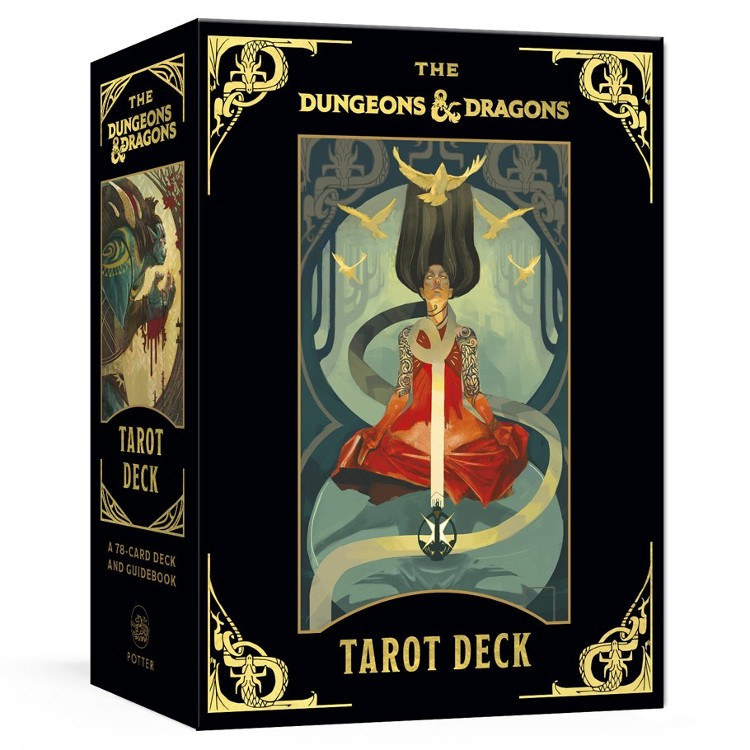
Dungeons and Dragons (D&D) has captivated audiences through its imaginative realms and intricate storytelling. In an intriguing twist, the world of tarot cards has found its way into this beloved role-playing game, culminating in the Dungeons & Dragons Tarot Deck. This unique intersection of two distinct yet complementary worlds prompts a delightful exploration of the tarot card meanings through the lens of D&D. How might an obscure card from a mystical deck challenge our perceptions of choice and fate?
When one delves into the Dungeons & Dragons Tarot Deck, it becomes evident that each card is imbued with rich symbolism and narrative potential. The cards not only represent archetypal energies but also resonate deeply with the diverse characters and scenarios players might encounter on their quests. Herein lies the challenge: translating those enchanting visuals and archetypes into practical guidance for both gameplay and personal reflection.
The tarot consists of two main parts: the Major Arcana and the Minor Arcana. The Major Arcana consists of 22 cards, each reflecting significant life themes and spiritual lessons. In contrast, the Minor Arcana comprises 56 cards divided into four suits, mirroring everyday challenges and experiences. The D&D Tarot Deck creatively intertwines these components with the iconic elements of D&D lore, creating a tapestry of meanings that harmonizes gameplay and introspection.
To truly appreciate the Dungeons & Dragons Tarot Deck, one must investigate the Major Arcana’s significance. Cards like The Fool, representing the unwritten journey ahead, embody the spirit of adventure that defines D&D. The Fool invites players to embrace spontaneity and potential, reminiscent of a character embarking on a quest, brimming with untapped possibilities. How might this encouragement to leap into the unknown affect your gaming experience?
Another compelling card is The Magician, which embodies creativity, resourcefulness, and manifestation. In D&D, the significance of a character’s class and skills calls to mind this card’s energy. Like the Magician, players must harness their abilities and adapt to their environment. This inquiry leads to deeper reflection: how does resourcefulness shape not only the outcome of a game but also the player’s personal journey?
The High Priestess, a card symbolizing intuition and mystery, encourages players to delve into their inner wisdom. Within the D&D context, this card highlights the importance of listening to one’s instincts when making critical decisions. It poses an important question: how often do players trust their instincts as they navigate the richly woven narratives of their campaigns?
Transitioning to the Minor Arcana, we observe cards that resonate with everyday scenarios players might face in their adventures. The suit of Wands, representing ambition and creativity, reflects the fiery spirit of exploration. The Three of Wands, for instance, signifies growth and foresight, demonstrating how players can strategize and set long-term goals within their quests. By embracing this forward-thinking mentality, how might character development evolve throughout a campaign?
Meanwhile, the suit of Cups speaks to emotions and relationships. The Two of Cups, a card of partnership and unity, emphasizes the cooperative aspect pivotal to D&D gameplay. It prompts players to consider the dynamics of their team and how bonds between characters can foster unique narratives. In what ways could the enhancement of interpersonal relationships impact the depth of the role-playing experience?
The suit of Swords, representing intellect and conflict, presents opportunities for players to engage with dilemmas. The Five of Swords, indicative of conflict, serves as a reminder of the balancing act between ambition and morality – an essential theme in many D&D narratives. This card invites players to reflect on their characters’ ethical choices: what transgressions are justifiable in pursuit of power or victory?
Lastly, the suit of Pentacles encompasses material aspects and stability. The Nine of Pentacles details the fruition of labor and personal success. In the context of D&D, this can translate to the hard-won rewards that characters earn through diligence and perseverance. The overarching question lies in how success or failure influences not only character arcs but also group dynamics.
As players navigate the vibrant tapestry woven by the Dungeons & Dragons Tarot Deck, an overarching theme emerges: the interplay of fate, choice, and consequence. Each draw from the deck serves as a reflection, a form of divination that encourages players to confront their motivations, decisions, and paths ahead. The challenge is not merely in understanding the card meanings but integrating those interpretations into the multifaceted narratives crafted during gameplay.
In conclusion, the Dungeons & Dragons Tarot Deck isn’t just a visualization of images and archetypes; it’s a synesthetic exploration of two creative realms. By embracing the layered meanings contained within each card, players can enhance their understanding of both the game’s mechanics and their own narratives. So, as you shuffle the deck, contemplate this pivotal question: what stories will unfold when you blend the mystical whispers of tarot with the adventurous spirit of Dungeons & Dragons?
FAQ
What is the Dungeons & Dragons Tarot Deck?
The Dungeons & Dragons Tarot Deck is a unique tarot deck that combines the rich storytelling and characters of the D&D universe with tarot card meanings.
How can tarot cards enhance D&D gameplay?
Tarot cards can provide players with deeper insights into their characters and decision-making processes, enriching the storytelling experience.
Leave a Reply