Short Answer
Welcome to a journey through the world of suits—a realm where fabric, color, and cut transcend mere clothing to become powerful symbols of identity, intention, and emotion. Whether you’re dressing for a boardroom, a wedding, or a dream, the suit you choose speaks volumes before you even utter a word. In this guide, we’ll explore the types of suits, the psychology behind their colors, and the hidden meanings they carry in our subconscious. Prepare to uncover the language of suits and how to wield it with purpose.
The Anatomy of a Suit: Types and Their Unique Appeal
A suit is more than a matching jacket and trousers—it’s a carefully crafted statement. The two-piece suit, the most classic form, consists of a jacket and trousers made from the same fabric. It’s versatile, timeless, and universally appropriate, making it the foundation of any wardrobe. The three-piece suit, which adds a waistcoat, exudes sophistication and authority, often favored in formal settings or by those who wish to project gravitas.
The tuxedo is the epitome of elegance, distinguished by its satin lapels and often worn without a tie. It’s reserved for black-tie events, where its sleek silhouette commands respect and admiration. Meanwhile, the slim-fit suit and tailored suit cater to modern aesthetics, offering a sharp, streamlined look that enhances confidence. Each style carries its own metaphorical weight: the two-piece suit symbolizes balance, the three-piece suit represents depth, and the tuxedo embodies prestige.
Consider the lounge suit, a less formal option perfect for business casual or semi-formal occasions. Its relaxed fit and lighter fabrics, like linen or cotton, evoke approachability and professionalism without sacrificing style. The choice of suit type is the first brushstroke in painting your desired image—whether it’s power, approachability, or timeless elegance.
Suit Color Psychology: The Hidden Language of Hues
Color is the silent communicator of a suit, shaping perceptions before a word is spoken. Navy blue, the corporate warrior’s armor, conveys trust, reliability, and professionalism. It’s the color of choice for interviews and board meetings, where subtlety and competence are paramount. Charcoal gray is the neutral powerhouse, associated with intelligence, stability, and authority. It’s a chameleon that adapts to any setting, from funerals to high-stakes negotiations.
Black is the suit of ultimate authority and formality, often reserved for evening events or when making a bold, uncompromising statement. However, it can also feel austere or intimidating if overused. Light gray or beige suits radiate approachability and creativity, ideal for industries where innovation is prized. These colors suggest openness and a willingness to collaborate, making them perfect for creative professionals or startups.
For those seeking to stand out, burgundy, emerald, or deep green suits make a striking impression. These hues suggest confidence, ambition, and a touch of rebellion. They’re ideal for individuals who want to infuse personality into their professional or social attire. Meanwhile, pastel suits, like light blue or blush pink, soften the wearer’s image, evoking warmth and approachability—perfect for events where a friendly demeanor is key.
The psychology of suit colors is a toolkit for intentional dressing. By understanding the emotional resonance of each hue, you can curate a wardrobe that aligns with your goals, whether it’s to inspire trust, project creativity, or command attention.
Suits in Dreams: Decoding the Subconscious Messages
Suits don’t just exist in waking life—they also appear in our dreams, where they often carry symbolic meanings tied to our waking concerns. Dreaming of wearing a suit might reflect a desire for control, a need to present yourself in a certain way, or an upcoming event where you feel the pressure to perform. A perfectly tailored suit in a dream could signify confidence and preparedness, while a wrinkled or ill-fitting suit may reveal anxieties about being unprepared or judged.
Seeing someone else in a suit in your dream might represent authority figures in your life, such as bosses, mentors, or even aspects of yourself that you associate with leadership. Alternatively, it could symbolize societal expectations or the roles you feel compelled to play. If the suit in your dream is a color you wouldn’t normally wear, consider what that color represents to you—perhaps it’s a hidden aspiration or a part of yourself you’re exploring.
Suits in dreams can also serve as metaphors for transformation. Putting on a suit might symbolize stepping into a new role, embracing responsibility, or adopting a professional persona. Conversely, removing a suit could represent shedding expectations or returning to a more authentic self. Paying attention to the emotions and context of the dream can unlock deeper insights into your subconscious motivations and fears.
The Art of Suit Styling: Crafting Your Signature Look
Styling a suit is where creativity meets intention. The lapel is a subtle yet powerful detail—peak lapels exude classic sophistication, while notch lapels offer a more relaxed, modern vibe. The pocket square adds a dash of personality; a silk square in a bold pattern can elevate a simple suit, while a neutral linen square keeps it understated. Cufflinks are another opportunity for expression, with vintage styles suggesting tradition and modern designs indicating innovation.
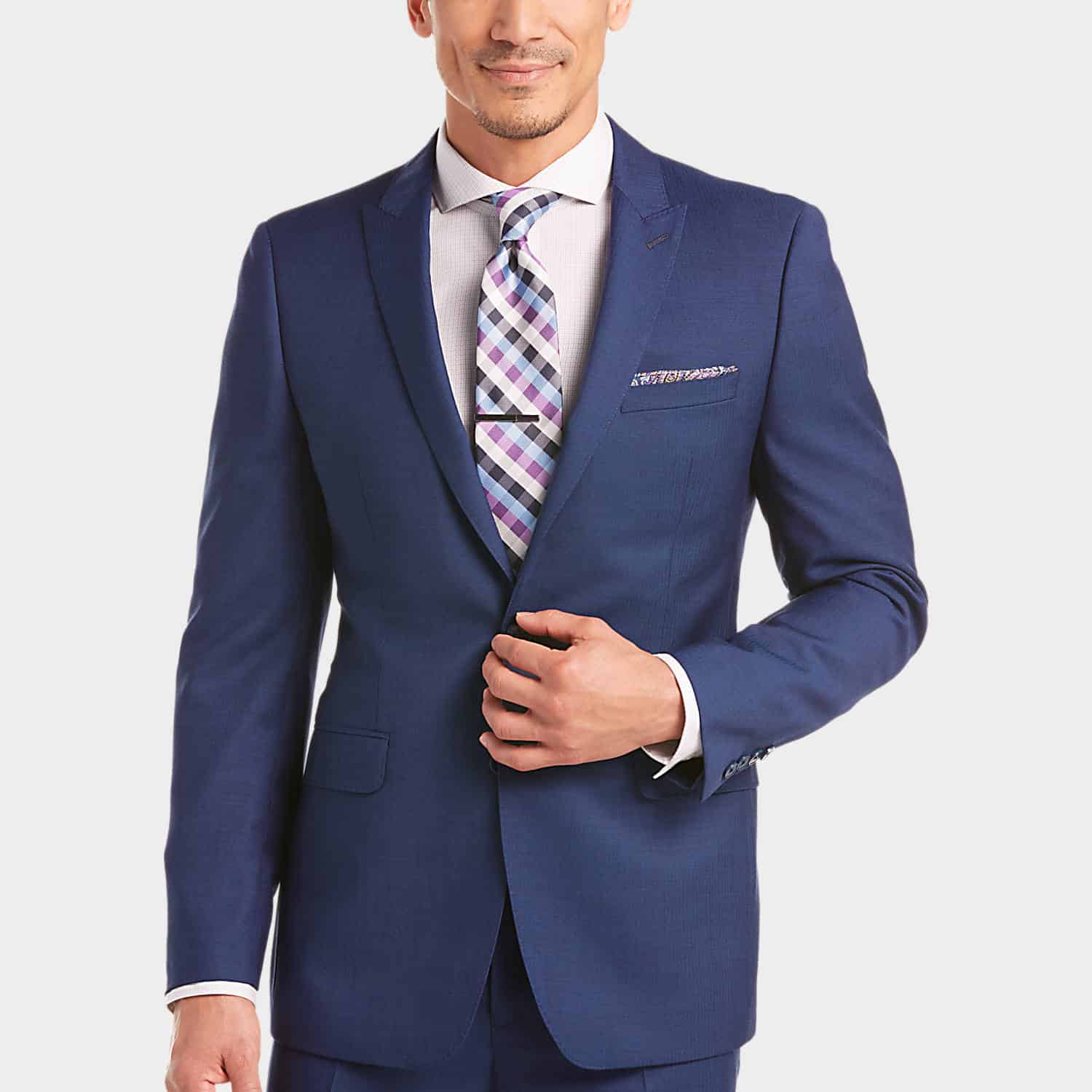
The shirt and tie combination is the finishing touch. A crisp white shirt conveys professionalism, while patterned or colored shirts can add flair. The tie acts as the exclamation point—solid colors for authority, stripes for tradition, and bold prints for creativity. Don’t forget the shoes, which ground the entire ensemble. Oxfords and brogues project formality, while loafers or monk straps offer a contemporary twist.
Accessories like cufflinks, watches, and belts should complement rather than compete with the suit. A gold watch on a navy suit suggests timeless elegance, while a leather bracelet might hint at a more relaxed, unconventional personality. The key is balance—each element should harmonize with the others, creating a cohesive image that feels intentional and authentic.
Conclusion
Suits are far more than garments; they are the armor and canvas of self-expression, the silent heralds of our intentions, and the bridges between our inner selves and the world. From the structured lines of a two-piece suit to the rebellious flair of a bold color, each choice is a brushstroke in the portrait of who we are—or who we aspire to be. By understanding the language of suits—their types, colors, and symbolic meanings—you gain the power to craft not just an outfit, but a statement.
Whether you’re stepping into a boardroom, a dream, or a new phase of life, let your suit be a reflection of your purpose. Choose it with intention, style it with confidence, and wear it with the knowledge that every thread tells a story.
FAQ
What is the significance of suit colors?
Suit colors convey different emotions and perceptions, influencing how others view the wearer.
What does dreaming about a suit mean?
Dreaming of a suit often symbolizes control, authority, and the pressures of societal expectations.
How can I choose the right suit for an occasion?
Consider the type of event and the message you want to convey through the suit’s style and color.

Leave a Reply