Short Answer
The Tarot is an intricate tapestry of symbols, archetypes, and narratives that offer profound insights into the human psyche. Among the myriad meanings associated with Tarot cards, the concept of the ego emerges as a pivotal theme, intricately interwoven with personal development, self-perception, and the delicate balance between confidence and arrogance. Understanding the ego within the Tarot framework can unlock deeper self-awareness and illuminate the path toward personal growth.
At the outset, when discussing the “Ego Card,” one must substantiate that there is no singular card explicitly designated as the “Ego Card” in traditional Tarot decks. Rather, the term can be understood through various cards that embody selfishness, personal identity, and the illusion of separateness. In this context, the “The Magician,” “The Devil,” and “The Emperor” come to the fore, each representing distinct facets of the ego.
The Magician: Mastery and Manipulation
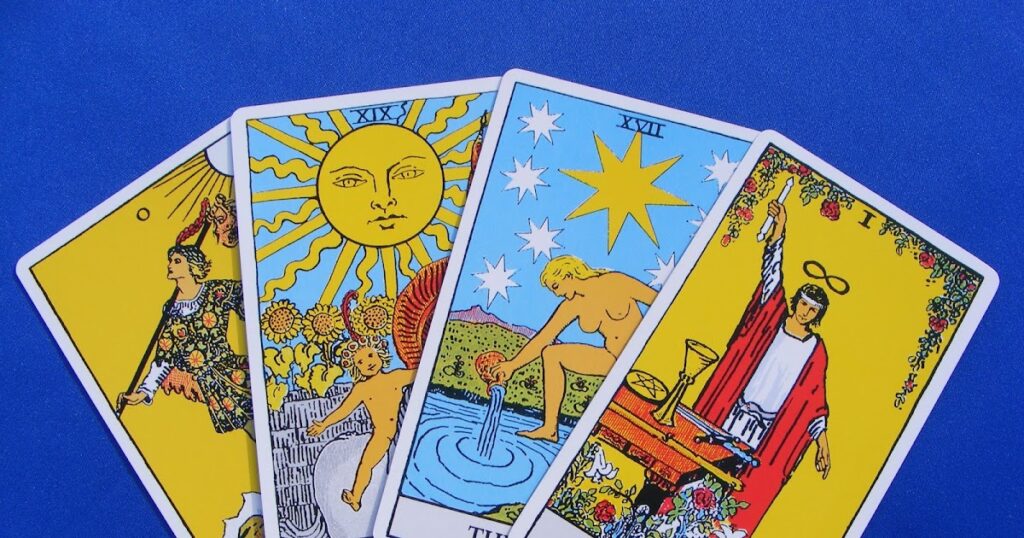
The Magician symbolizes the power of will, mastery of the self, and the ability to manifest desires. However, this card also alludes to the potential for manipulation. The Magician wields the tools of creation—wands, cups, swords, and pentacles—pointing to an individual’s capability to navigate the physical world effectively. When the ego is at play, it can manifest desire through manipulation rather than genuine creation, leading to outcomes rooted in illusion. Therefore, when the Magician surfaces in a reading, it invites scrutiny of how one is utilizing their talents and the ethical implications of their intentions.
The Devil: Shadows of the Self
The Devil is one of the most evocative cards in the Tarot, epitomizing bondage, temptation, and the darker aspects of the ego. In a reading, this card can denote feelings of entrapment or addiction, revealing how the ego can ensnare individuals in cycles of negative behavior. The Devil compels introspection, urging the querent to confront their limitations and recognize the ways in which their desires may lead them astray. Rather than merely being a negative entity, the presence of this card signals the necessity of acknowledging the full spectrum of human experience—recognizing that the ego, when unchecked, can become a formidable adversary.
The Emperor: Authority and Control
Contrarily, The Emperor stands as a symbol of stability, authority, and structure. This card conveys the idea of leadership, asserting that a strong ego can contribute positively to one’s life by providing confidence and governance. Nevertheless, it is imperative to maintain a balance; when the Emperor overextends his reach, it can result in authoritarianism and rigidity. Thus, The Emperor serves as a dual reminder: while a healthy ego can empower leadership and decisiveness, an excessive emphasis on control may stifle flexibility and creativity.
The Ensuing Dance Between Ego and Authenticity
Understanding the multifaceted meanings of the ego within Tarot involves recognizing the ongoing dance between ego and authenticity. The ego is not inherently negative; it is an essential part of human identity. However, the inquiry arises when the ego supersedes the essence of the self. Tarot cards such as “The Lovers” and “The Hierophant” offer contrasting perspectives, emphasizing connection, unity, and the quest for higher guidance. These cards invite individuals to step beyond their egoic identities and explore deeper truths about love, relationships, and spiritual understanding.
Reversals: The Shadow of Ego
When Tarot cards appear reversed in a reading, they often indicate a suppressed or distorted expression of the card’s energy. The reversed Magician, for example, may signal manipulation and deceit prevalent within oneself or others. The reversed Devil can epitomize liberation from toxic patterns, suggesting a pivotal moment of self-realization. Similarly, a reversed Emperor can highlight issues of insecurity and an inability to assert oneself. Tracking these reversals provides insight into the nuances of ego manifestation in various life scenarios.
Practical Steps Toward Ego Integration
To navigate the intricate landscape of ego using Tarot, individuals can engage in practices that promote self-awareness and integration. Journaling can be a powerful conduit for reflection, allowing individuals to chronicle their responses to various cards and their corresponding feelings. Meditation, particularly guided ones focused on ego dissolution, can facilitate a shift in consciousness, enabling a detachment from the ego’s constrictive narratives. Additionally, engaging in dialogue with a Tarot reader or a supportive peer allows for deeper exploration of one’s ego dynamics.
The Ego and Relationships
Tarot offers critical insights into how the ego shapes interpersonal relationships. The card “Two of Cups” frequently symbolizes partnership and harmony, illustrating how genuine connections can thrive when egos are balanced. In contrast, the “Five of Swords” often signifies conflict and defeat, suggesting a scenario where ego-driven motives can undermine relationships. By scrutinizing the context of these cards during readings, individuals can glean valuable perspectives on their relational dynamics.
Conclusion: Embracing the Whole Self
Ultimately, examining the ego through the lens of Tarot encourages a holistic approach to self-discovery. The journey involves not merely battling the ego but integrating it into the totality of the self. The Tarot acts as a mirror, reflecting the complexities of the human experience, urging individuals to expand their understanding of identity, motivation, and personal growth. By acknowledging both the light and shadow of the ego, one can transcend limitations and unveil the authentic self that lies beneath.
FAQ
What does the ego represent in Tarot?
In Tarot, the ego represents aspects of personal identity, self-perception, and the balance between confidence and arrogance, often embodied by cards like The Magician, The Devil, and The Emperor.
How can Tarot help with understanding ego dynamics?
Tarot can provide insights into how ego influences personal growth and relationships, highlighting the need for balance and self-awareness through various card interpretations.

Leave a Reply