Short Answer
Embarking on a journey through the realm of tarot cards invites one to contemplate the profound symbolism encapsulated within each card. Among the most pivotal within the tarot deck is the Justice card, a representation of equilibrium, fairness, and the inexorable nature of truth. As one reflects on the Justice card, a particularly intriguing question arises: Are you truly prepared to embrace the consequences of your actions? This inquiry does not merely serve as an abstract musing but rather poses a salient challenge that invites introspection.
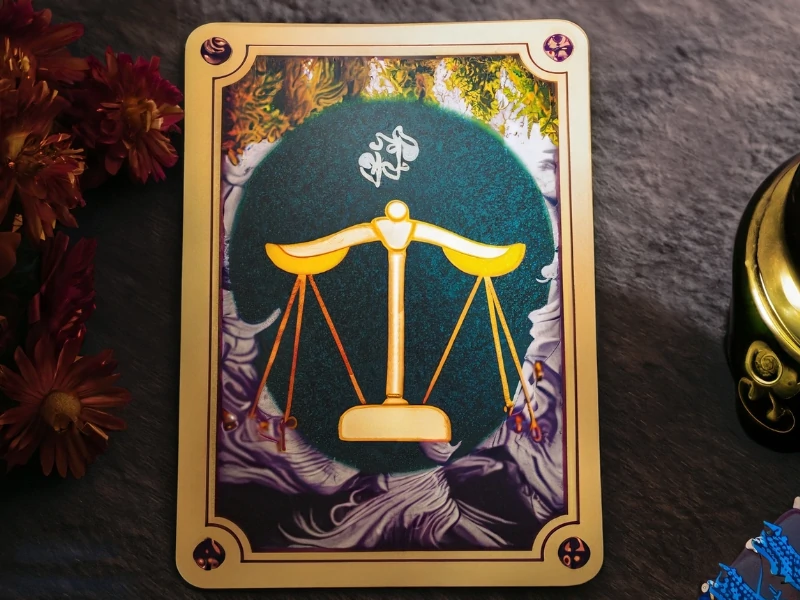
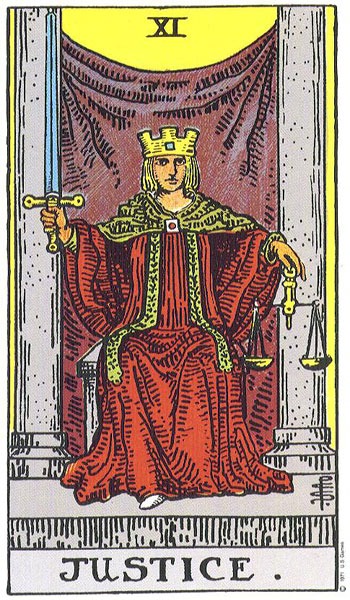
The Justice card occupies the 11th position in the Major Arcana, traditionally associated with the astrological sign of Libra, evoking themes of balance and reciprocity. The imagery typically features a stern figure, often donned in a robe, holding a scale in one hand and a sword in the other. This visual dichotomy encapsulates the essence of justice: the scales symbolize equilibrium and moral rectitude, while the sword signifies the cutting nature of truth and the decisive power of judgment. But what happens when the scales are tipped? This card serves as a harbinger of accountability, reminding us that the scales of justice may not always swing in favor of our inclinations.
Turning your attention to the reversed position of the Justice card complicates matters further. Here, the themes of dishonesty, imbalance, and injustice rear their heads. Instead of truth prevailing, we may confront unwelcome dilemmas, such as unresolved disputes or the distractions of unethical behaviors. The challenge of this card—whether upright or reversed—lies in its call for sincerity and authenticity. It beckons you to explore the depths of your moral compass, urging one to grapple with the implications of their choices.
When the Justice card appears in a reading, it often signifies a forthcoming period where fairness and objectivity need to be prioritized. Whether it be a legal matter, business decision, or personal conflict, the emphasis on weighing options fairly is paramount. This card ultimately prompts you to ask: Are you prepared to confront the repercussions of your decisions? The notion of justice often implicates not just external accountability but internal honesty as well. Evaluating one’s motivations often reveals hidden biases that can skew our judgment. The Justice card, therefore, serves as a mirror, reflecting our inner truths. To move forward effectively, one must first reconcile these truths.
As one begins to understand the Justice card, consider the broader implications of fairness in various contexts. Family, relationships, and even career trajectories can experience significant shifts under its gaze. When issues arise that demand resolution, the presence of the Justice card indicates that clarity and straightforwardness are essential components of achieving equilibrium. Whether it is confronting a partner about unfulfilled expectations or negotiating a business deal, embodying the essence of justice can pivotally influence outcomes.
Moreover, as practical implications unfold, the card encourages critical evaluation of one’s actions, decisions, and their resulting consequences. In instances where you may feel wronged or unjustly treated, the Justice card urges you to assess whether your perceptions align with the ethical truths of the situation. It’s a soul-searching inquiry—are you merely pacifying your grievances, or are you seeking tangible resolution? This quest for authenticity not only evokes personal development but enhances interpersonal relationships as well. Justice, after all, is rarely a solitary endeavor; its essence reverberates through shared experiences.
In community, the Justice card also signifies a collective responsibility. Are we upholding justice not just for ourselves but for others in our environment? The call for social justice often relates back to this card, suggesting that balance can only be achieved when all voices are heard and represented fairly. Consider this a challenge to expand your perception: how do societal norms and cultural constructs impact your understanding of equity and fairness? Are we blind to systemic imbalances that perpetuate injustice?
Furthermore, coupling the Justice card with other cards can yield deeper insights. For instance, when aligned with The Hermit, it may suggest a period of self-reflection before making critical decisions. The inclusion of The Tower could indicate a drastic transformation that necessitates reevaluation of past actions and their implications. Each combination paves the way to nuanced interpretations, offering a multifaceted view of the intricate interplay of justice and personal growth.
On a mystical level, the Justice card resonates with karmic principles, hinting at the cycles of cause and effect that govern our behavior and choices. This notion posits a profound questions: Do the actions we take today repercuss through time, shaping our destiny? When considered through a spiritual lens, one understands that justice transcends mere legality; it encompasses a deeper moral framework that binds humanity together. Embracing this perspective can be empowering as it encourages growth into conscious contributions to the collective welfare.
Ultimately, the Justice card stands as a testament to the art of balance in navigating life’s myriad challenges. It incites a call to action and introspection, urging one to question both the ethical and personal implications of decisions, from the mundane to the monumental. As you delve into the world of tarot and engage with this potent card, remember the playful yet challenging introduction: Are you ready to confront what justice means in your life? Your willingness to embark on this journey may ultimately dictate the harmony or turmoil that follows. Seek truth, embody fairness, and embrace the transformative power of justice, for therein lies the essence of growth and fulfillment.
FAQ
What does the Justice card symbolize in tarot?
It symbolizes fairness, truth, moral integrity, and accountability for one's actions.
What is the significance of the scales and sword in the Justice card?
The scales represent balance and fairness, while the sword signifies truth and the power of decisive judgment.
How does the Justice card relate to personal growth?
It encourages introspection on moral choices, authenticity, and accepting consequences for actions to foster growth.
What should I consider if the Justice card appears reversed?
Consider potential dishonesty, unfairness, or ethical dilemmas in your situation that need addressing.
How does the Justice card influence readings about relationships or career?
It highlights the importance of fairness, honesty, and balance in resolving conflicts and making decisions in these areas.
Leave a Reply