Short Answer
In this comprehensive guide, you’ll explore the Four of Pentacles tarot card, uncovering its core meanings related to security, control, and the deeper psychological reasons behind humanity’s fascination with these themes. Whether you’re a tarot enthusiast, a seeker of self-awareness, or someone navigating life transitions, this article will help you understand how the Four of Pentacles reflects both practical concerns and emotional blockages. By the end, you’ll recognize the balance between safeguarding what matters and the risks of holding on too tightly.
The Four of Pentacles: A Card of Security and Control
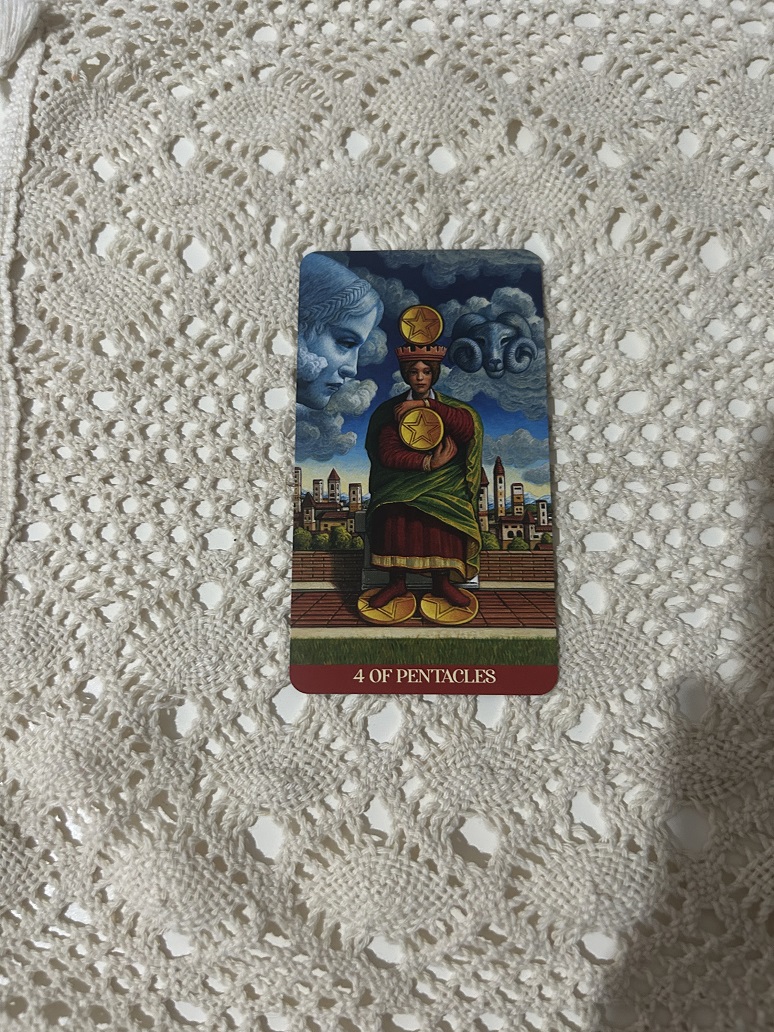
The Four of Pentacles is often depicted as a figure sitting on a throne, clutching four pentacles—one under each foot and one in each hand. This imagery is rich with symbolism, representing a strong desire for stability, financial security, and emotional safety. The card suggests a person who values structure, routine, and tangible assets, often going to great lengths to protect what they’ve built. While this drive for security is natural and necessary, it can also reveal underlying fears of loss, scarcity, or vulnerability.
At its core, the Four of Pentacles embodies the human instinct to control outcomes. Whether it’s money, relationships, or personal goals, the card highlights a tendency to cling tightly to what we’ve worked hard to achieve. This can manifest as hoarding, resistance to change, or an unwillingness to share resources. The pentacles themselves—symbols of material wealth—remind us that while security is important, an excessive focus on it can lead to isolation or stagnation.
Why Are We So Fascinated by Security and Control?
Human beings are wired to seek safety. Evolutionarily, survival depended on securing resources and avoiding threats. The Four of Pentacles taps into this primal need, but it also reflects modern anxieties about financial instability, job security, and social status. In a world of economic fluctuations and rapid change, the desire for control becomes even more pronounced. People often turn to tarot or self-reflection to understand why they feel the need to “hold on” so tightly to their possessions, relationships, or beliefs.
This fascination isn’t just about material wealth. It extends to emotional and psychological security—fear of abandonment, rejection, or failure. The Four of Pentacles can represent a subconscious belief that if we let go of even a small part of our “holdings,” everything might collapse. This mindset often stems from past experiences of loss or betrayal, where control felt like the only way to prevent future pain. Recognizing this pattern is the first step toward understanding whether our grip on security is serving us or holding us back.
Security vs. Control: Where’s the Line?
While security and control are closely linked, they serve different purposes. Security is about creating a stable foundation—saving for the future, building healthy relationships, or maintaining good health. It’s a proactive and balanced approach to life. Control, on the other hand, is about domination—whether over people, circumstances, or even our own emotions. The Four of Pentacles warns against the latter, as an overemphasis on control can lead to rigidity, fear, and missed opportunities.
For example, someone might save excessively to feel secure but refuse to spend money on experiences or loved ones, missing out on joy. Or, a person might micromanage their relationships to avoid conflict, stifling natural growth and connection. The card encourages us to ask: Am I protecting what matters, or am I imprisoning myself in the process? True security comes from trust—in ourselves, in others, and in the natural flow of life—not from rigidly holding on.
Breaking Free from the Four of Pentacles’ Grip
If the Four of Pentacles resonates with you, it may be time to examine where in your life you’re holding on too tightly. Start by identifying the areas where you feel most anxious about loss—whether it’s money, a job, a relationship, or a personal identity. Ask yourself: What am I afraid would happen if I let go? Often, the fear is worse than the reality. For instance, sharing your knowledge or resources might not lead to deprivation but could instead create abundance through collaboration.
Practical steps can help shift this energy. Try setting aside a small portion of your savings for spontaneity, or allow yourself to delegate tasks instead of controlling every detail. In relationships, practice vulnerability by expressing needs without demanding control. The goal isn’t to abandon security entirely but to find a healthier balance where you can enjoy what you’ve built without being enslaved by fear.
Mindfulness and self-reflection are powerful tools here. Journaling about your relationship with control can reveal patterns you weren’t aware of. You might notice that your need for control spikes during times of uncertainty, which is a natural response—but not always a helpful one. Learning to tolerate discomfort without immediately seeking to “fix” it can free up mental and emotional space for growth.
Real-Life Scenarios: The Four of Pentacles in Action
Consider someone who refuses to invest in their education or career growth because they’re afraid of failure. They cling to their current job or skills, even if it’s unfulfilling, because it feels “safe.” Or think of a parent who micromanages their adult child’s life, insisting on making every decision to “protect” them. In both cases, the Four of Pentacles is at play—security is confused with control, and growth is stifled.
Another example is financial hoarding. Someone might save every penny but avoid spending on experiences or helping others, believing that money is the only source of security. While saving is wise, an extreme approach can lead to a joyless life where relationships and passions are neglected. The Four of Pentacles reminds us that security isn’t just about accumulation; it’s also about wise distribution and trust in the universe’s abundance.
Conclusion
The Four of Pentacles serves as a mirror, reflecting our deepest fears about loss, scarcity, and vulnerability. While the desire for security is a natural and healthy part of being human, the card warns against letting this desire turn into an unhealthy need for control. By recognizing where we’re holding on too tightly—whether to money, relationships, or beliefs—we can begin to loosen our grip and embrace a more balanced approach to life.
True security isn’t found in rigid control but in trust—trust in ourselves, in others, and in the natural ebb and flow of existence. The Four of Pentacles invites us to ask: Am I protecting my peace, or am I imprisoning myself in fear? The answer to this question can guide us toward a life of both stability and freedom.
FAQ
What does the Four of Pentacles represent?
The Four of Pentacles represents themes of security, control, and the psychological motivations behind the desire to hold onto resources tightly.
How can I break free from the grip of the Four of Pentacles?
To break free, practice self-reflection, identify areas of excessive control, and embrace vulnerability and trust in the natural flow of life.
Leave a Reply